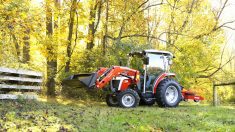
South Korean tractor brand Kioti hasn’t exactly been a major player in the North American market.
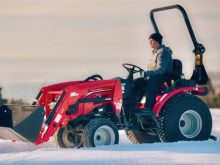
It broke onto the scene here offering lower-horsepower tractors in the sub-compact range, toward just reaching into the utility class segments.
In the past couple of years it has pushed its top-end tractor offering up to 140 horsepower, providing a couple of models that would fit in well into hay or livestock operations.
Read Also
Prairie equipment dealership chain makes Agco’s top-20 list
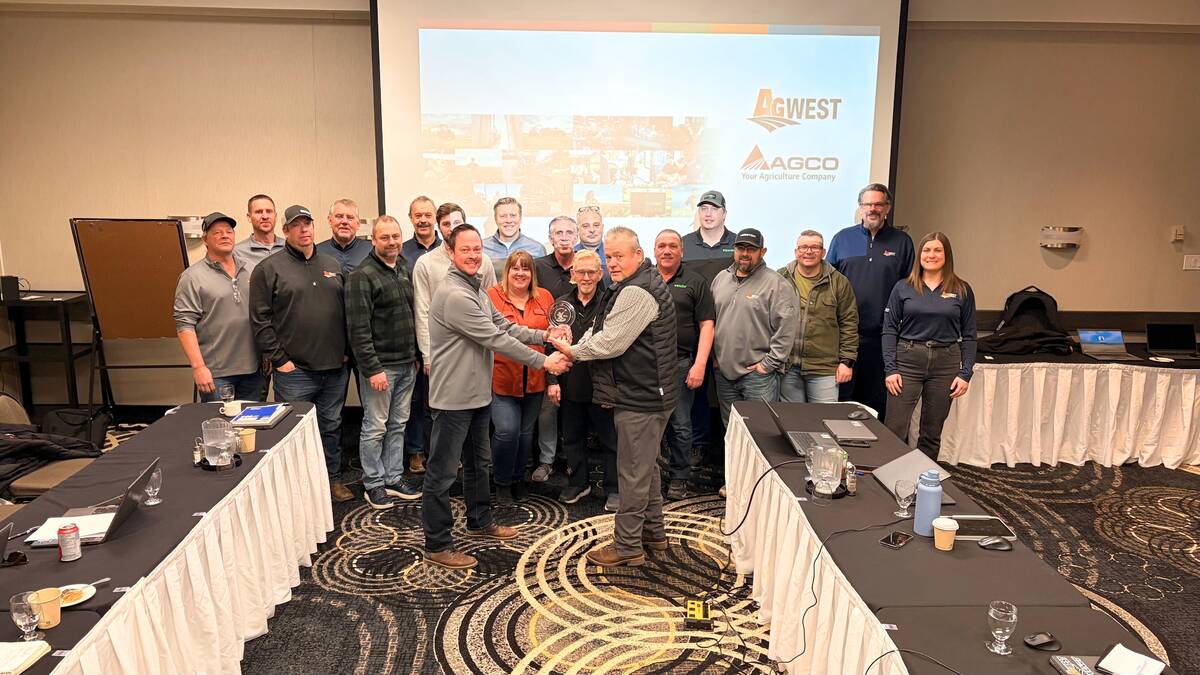
AgWest, a farm equipment dealership chain in Manitoba and Saskatchewan, was recognized by Agco last month as one of its top 20 North American dealers for a second consecutive year.
However, the brand now has plans that could see it become a much bigger player in the agricultural sector.
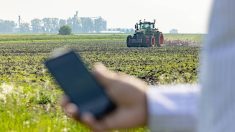
WHY IT MATTERS: While the Kioti Connect updates will offer owners increased functionality that will eventually be on par with the major brands, the digital system will also pave the way for a significant leap ahead for the company: the introduction of fully autonomous tractors.
Kioti began offering a basic telematics package, Kioti Connect, last year. This year it introduced the updated version 2.0 and expects to update that again before the end of the year with version 2.5.
“We started last year with gen 1.0, says Youngjin Son, senior vice-president and chief product technology officer of Daedong-USA’s Kioti tractor division.
”With 2.0, we added a couple of features, such as our customers can look for needed parts and then get information about the nearest dealer’s inventory.
“Eventually with connect 2.5 and 3.0, we will add more functions, like remote start. We have that function already in Korea, but in the U.S,. we have to go through some regulation checks.”
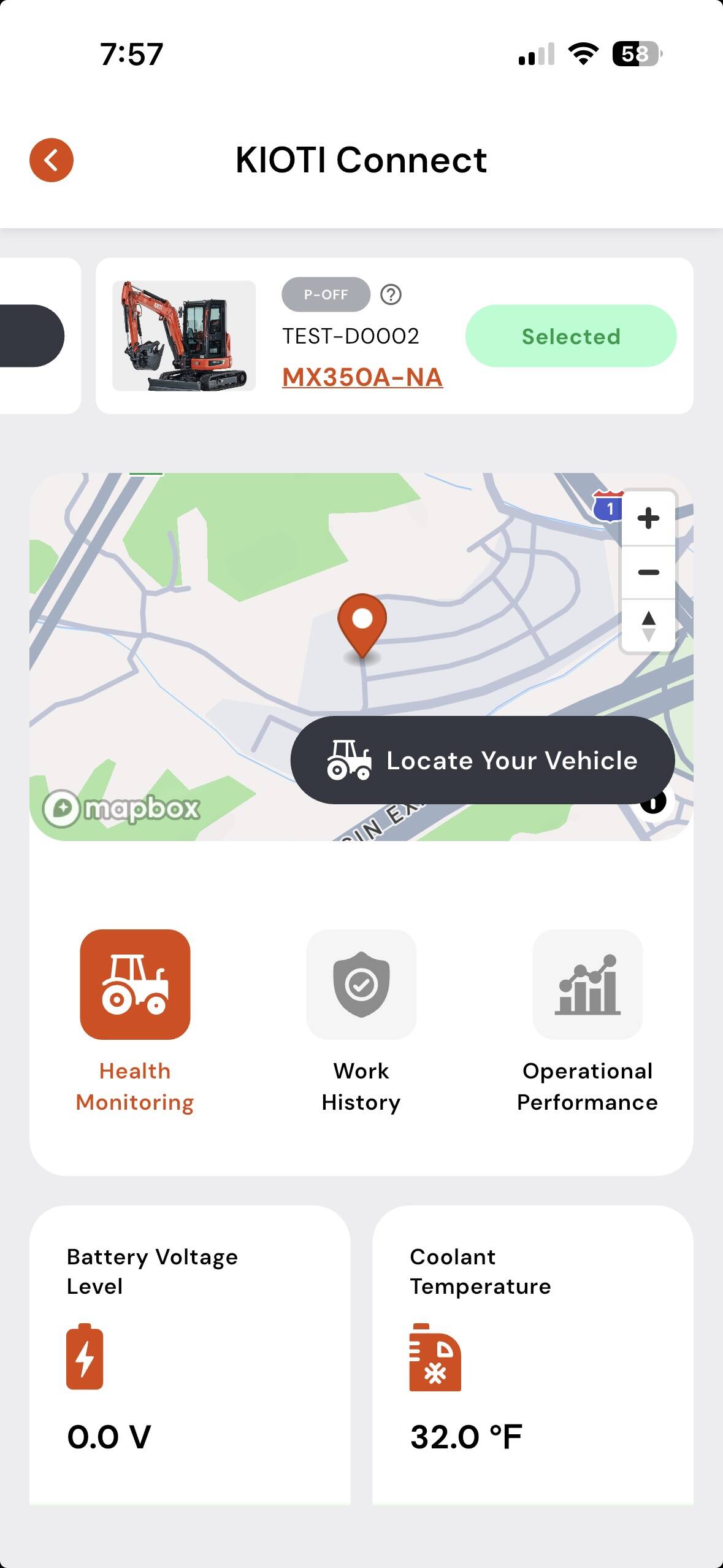
“We’re using this service in conjunction with autonomous driving machines, so we can improve autonomous driving even better with these kinds of services,” Son adds.
“We haven’t brought autonomous tractors yet to the American market, but we plan to bring it late this year or early next year. Then this Connect service will be even more powerful in conjunction with autonomous driving tractors.”
The self-driving system Kioti plans to introduce will work with its range of tractors from 50 to 140 horsepower. The company has already commercially introduced the system in South Korea.
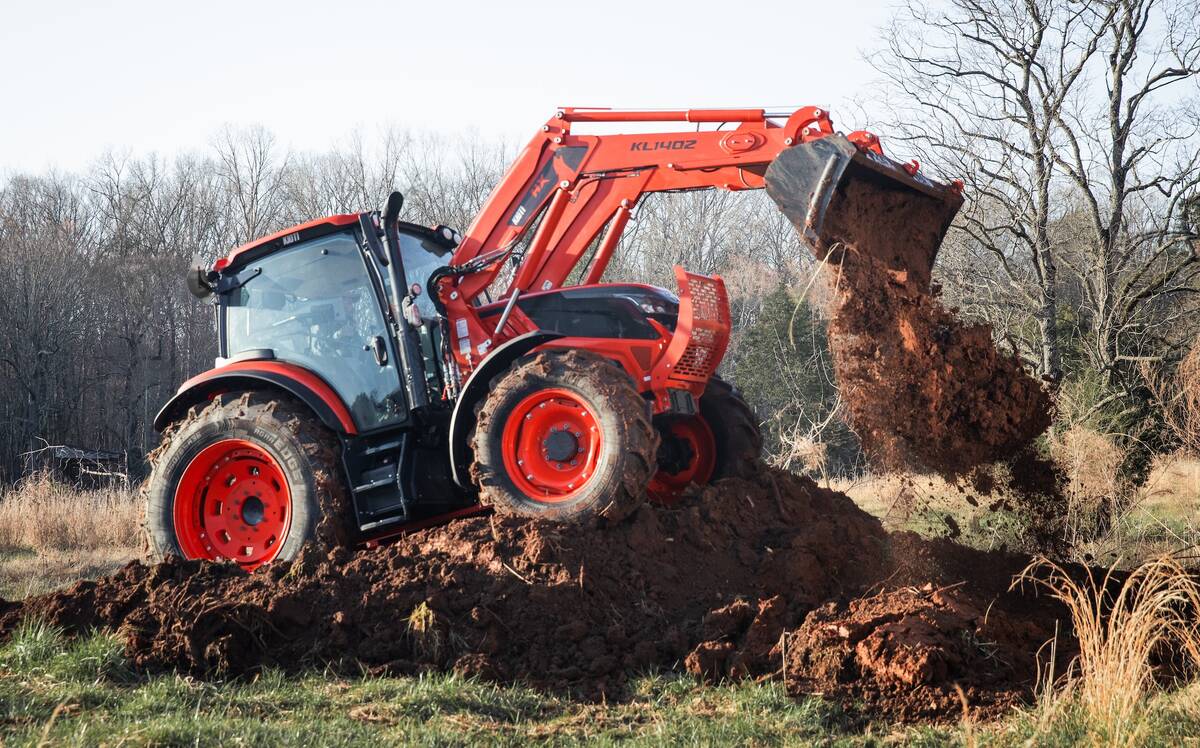
The plan is to have the autonomous system allow tractors to perform at least three functions: tillage, mowing and front-end loader work. The company also expects it will soon work with spraying operations as well.
Before it releases the autonomous system here, it is doing more field trials to conform the system to the differences in how the tractors will be used in North America compared to South Korea.
“Last year, we had to do additional tests in the U.S. market, and this year we’re continuing to test … (The) soil and the crops are different between the U.S. and Korean market,” says Son.
“We’re going to launch the commercial product at the end of this year or next year.”
Will higher horsepower follow?
As self-driving systems become more advanced, there is a likelihood that smaller-horsepower tractors such as those Kioti offers, working around the clock on their own, could become a method of choice, even for broad acre operations.
That means even though the brand’s flagship model is only rated at 140 h.p., the digital technology on the horizon could significantly boost the brand’s influence in agricultural operations, even without offering a high-horsepower model.
Son says there is still discussion inside Kioti about whether to grow its tractor range.
“That’s still a hot topic within the company. If you want to go higher (in horsepower), there are already big players there. We’d have to penetrate the market, and we’re pretty cautious about it. At the moment, we don’t have any plans to go above 145 yet.”
In the meantime, there are plans to forge ahead with significant advancements in its digital technology. The company hopes to eventually offer an all-encompassing system to support autonomous farm operations.
“Even though we have lots of challenges right now, we have a big dream or goal for agriculture,” says Son.
“We’re going to introduce autonomous driving tractors. And after that we’re going to introduce smart farming. So farmers can stay at home and look at a remote or a phone to see how things are going, maybe in three or five years. That’s what we’re going for right now.”