

Spring tractor maintenance doesn’t just help the bottom line — it is the bottom line.
And doing so could save growers from expensive downtime during the busy seasons, says the product manager with ag equipment giant Massey Ferguson.
Tractor downtime is not only expensive but a roadblock to producers seeking an optimum crop, says Derek Reusser.
For example, downtime on a commercial hay operation can cost close to $100 per hour, according to his U.S. estimates.
Read Also

Tips on getting your planter ready for spring seeding
Eric Bossuyt with AgWest offers tips on what growers should check on their planter before heading into the field for planting season.
WHY IT MATTERS: Tractor maintenance can reduce the risk of expensive downtime during the busy seasons.
“Basically, every day that you’re not baling that hay that’s ready to be baled, you’re losing five per cent of your time. It all boils down to cost of downtime is more than just the service bill.”
READ MORE: How to evaluate a diesel engine
In 2008, Henry Guenter — a retired service manager for Massey Ferguson – wrote a Western Producer article on spring maintenance tips for tractors. His recommendations still hold true today, but, as always, it’s crucial to check the owner’s manual for machine specifics:
- Check the fuel. If it is more than three months old, drain it or use diesel fuel conditioner. “It will save you the grief of horsepower problems, rough running and smoking,” said Guenter.
- Loosen all drain plugs before starting the tractor. This will release any moisture built up from condensation over the winter. “And of course, check the oil levels.”
- Look for leaks. Buildup of oil and dirt on the insides of rims could mean an axle seal leak. “Jack up the axle housing until the weight comes off the wheels,” Guenter wrote. “If there is any free play, you need to get it fixed. If the front crankshaft seal is leaking, it could signal that you are filling the engine too full. More than likely, too much engine oil was added.”
- Check the air conditioner. It is quite common for freon gas to leak through the compressor seal over winter.
- Change antifreeze if necessary. Coolant should be changed every two years. Older antifreeze may still be able to keep the engine block from freezing, but the water pump lubricant in the coolant only lasts for two years.
- Operators will want to check nuts and bolts on the tractor, especially the wheel bolts. And don’t forget to check the belts on the front of the engine.
Reusser adds hazard lights, headlights, tire pressures, safety belts and rolling protection systems to the checklist.
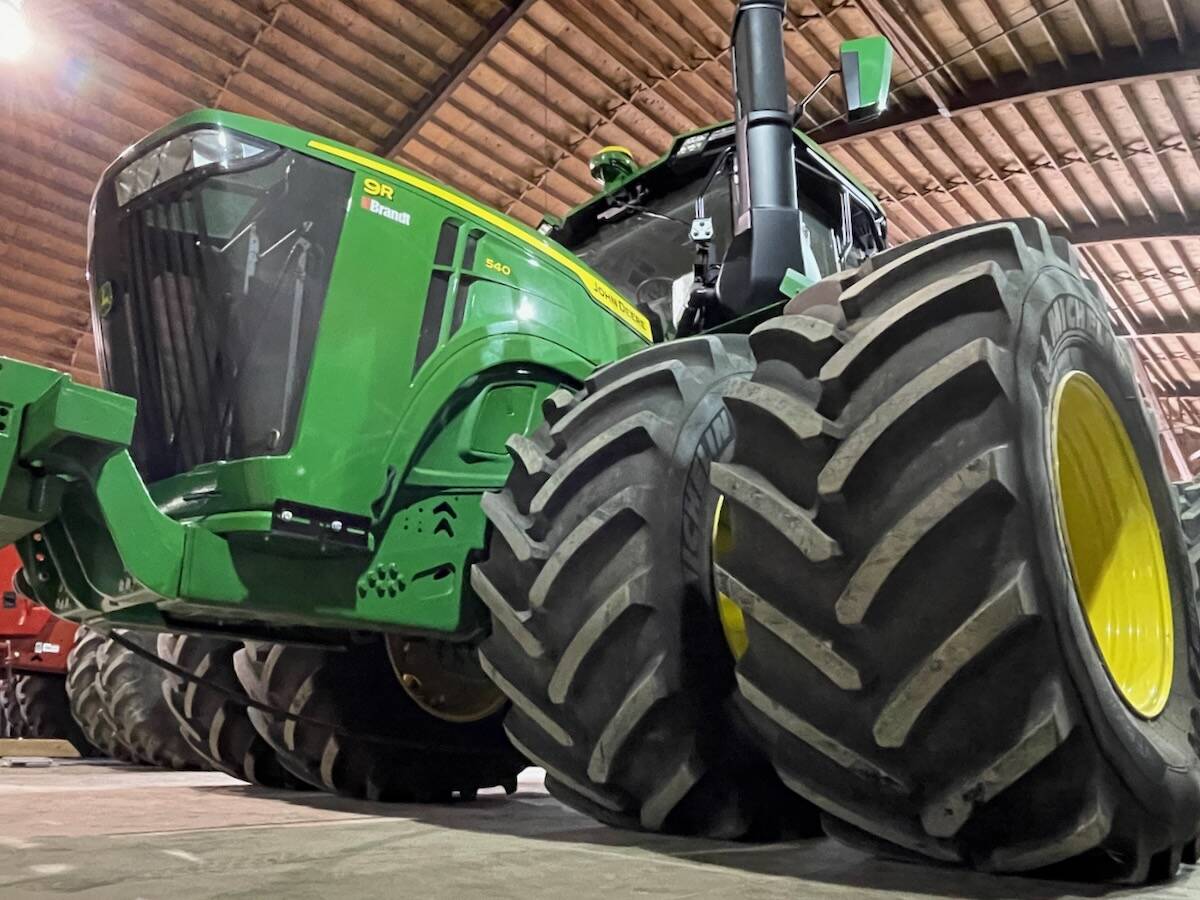
In-cab air filters are something producers often forget to check, he says.
“A lot of our farmers don’t really worry about that, but it can actually impede on that system’s ability to effectively cool you in the summer heat.”
Keeping precision-related subscriptions up to date is something that didn’t exist for many farmers until just a few years ago. Today, however, they can be crucial. Reusser recommends keeping on top of renewal dates for ag-related subs.
“We want to make sure that we have an active subscription for correctional services.”
Massey Ferguson also has a list of tire maintenance tips that can extend the life of tractor tires:
- Maintain proper p.s.i. for your tractor and tire type. This can be found in the owner’s manual.
- Check p.s.i. regularly. This is especially important to do before seasonal and weather changes.
- Do not fill tires with fluid. Massey Ferguson says this practice can undo the benefits of modern radial tires. “It can also put extra stress on your axle and drivetrain and make your tires more vulnerable to impact damage.”
- If you need ballasting, use wheel weights. These work with the tractor to minimize stress and unnecessary wear.