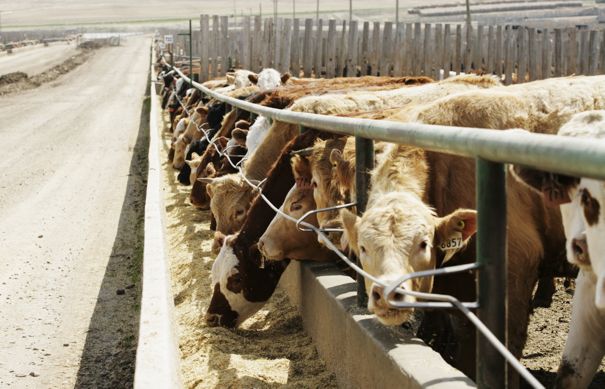

Feeder cattle basis analysis

Finishing at least some of your own calves is a diversification measure

In my previous article, I provided a brief overview of last year’s series of articles on price risk management for feeder cattle. In this column I will continue the discussion and also answer some of the main questions producers had last year. Cow-calf producers are becoming more familiar with the basis level for their local […] Read more


(Photo courtesy Canada Beef Inc.)

Klassen: Stronger fed cattle prices jolt feeder market

Feeder cattle markets came alive last week as fed cattle prices took a fortuitous bounce. Alberta packers were buying fed cattle in the range of $276-$279 on a dressed basis, up approximately $4 from week-ago levels. Improving beef demand enhanced wholesale beef prices, which quickly spilt over into the cattle complex. Compared to last week, […] Read more

Proper diets take a bite out of wind chill

Proper diets take a bite out of wind chill

When temperatures dip, it’s time to torque up the ration

Beef cow diets developed at the beginning of winter when temperatures were mild are not adequate to meet their energy requirements when new year’s winds blow. That’s because pregnant beef cows need extra calories in order to keep warm, rather than burning up fat reserves needed for the upcoming calving season. Therefore, if it is […] Read more


The difference between the cash market and the futures market is called the “basis,” and it can send an important message about when to sell or not sell.

More on feeder cattle risk management

Market Update: Looking a little deeper into messages from the market

In the winter of 2017 I wrote a series of articles about price risk management for feeder cattle. I discussed hedging feeder cattle on the CME feeder cattle futures and also conducted a risk analysis on the basis for feeder cattle prices in Manitoba. Read more: Understanding feeder cattle risk: Pt. 1 Read more: Understanding feeder cattle […] Read more

Contracted tendons (knuckling over) in calf

Dealing with contracted or lax leg tendons in calves

Animal Health: In many cases, time and a bit of physiotherapy will fix the condition

It is not uncommon during calving season for producers to end up with calves with contracted tendons (knuckling over) or the complete opposite — cases of lax tendons whereby the back of the fetlock is touching the ground. Although it is difficult to prevent these abnormalities, fortunately they only occur sporadically. Even so it is […] Read more


(Canada Beef Inc. photo)

Klassen: Feeder markets experience lacklustre trade

Western Canadian feeder cattle prices were relatively unchanged from week-ago levels as extremely cold temperatures hinder market activity. Most auction barns reported small groups of various quality cattle on offer, which made the market hard to define. In the major markets of Alberta such as Lethbridge, there were very few yearlings available. This forced major […] Read more


cattle herd

Flight zones can teach some lessons

Cattle behaviour may not be all that much different than how humans handle life

There are many things I have learned over the years about what makes a good pen checker in the feedlot. In my opinion, one of the most important is learning about the flight zones of cattle. Earlier in my career, I believed it was something you either understood or didn’t. There was no middle ground […] Read more