A couple of decades ago, I fell head over heels in love with the cuisine of Korea at a small southwestern Calgary restaurant named Bow Bulgogi. Inevitably, at lunchtime, I’d read the entire menu, then order the lunch special: grilled short ribs with short-grain rice, which invariably came with saengche (pickled daikon radish), sookju (pickled bean sprouts) and kimchi (fermented Nappa cabbage), all of them so good I wanted a plateful of each.
I still love Korean food. This powerhouse cuisine, like K-pop’s girl- and boy-bands in the music world, is part of the global Korean cultural tidal wave called Hallyu. The flavours of Korean have become the darling child of competitive and restaurant chefs alike, and it’s easy to understand why. Nutty, salty, acidic, sweet and fermented, Korean food is streamlined and spicy, loaded with umami, the near-mystical savoury fifth flavour sense.
To introduce your palate to Korean tastes, here’s a little scouting trip through its basic flavours and ingredients. Three jang, or base sauces, made from meju (fermented soy blocks), underpin Korean flavours in marinades, sauces, dipping sauces, stews and soups:
Read Also

Is the technology in our vehicles a help or a hindrance?
Not only does new tech allow people to operate vehicles and farm machinery with fewer skills, it also creates more problems for vehicle users when those systems fail, Scott Garvey writes.
• Doenjang (fermented cooked soybean paste), very salty and usually wheat-free, is used to season vegetables and add zap to soups and sauces.
• Ganjang (soy sauce) is traditionally wheat-free and mild in a version called Joseon ganjang, used for seasoning soups and vegetables, but a version called yanyo ganjang that contains wheat is funkier, often used in braising meats.
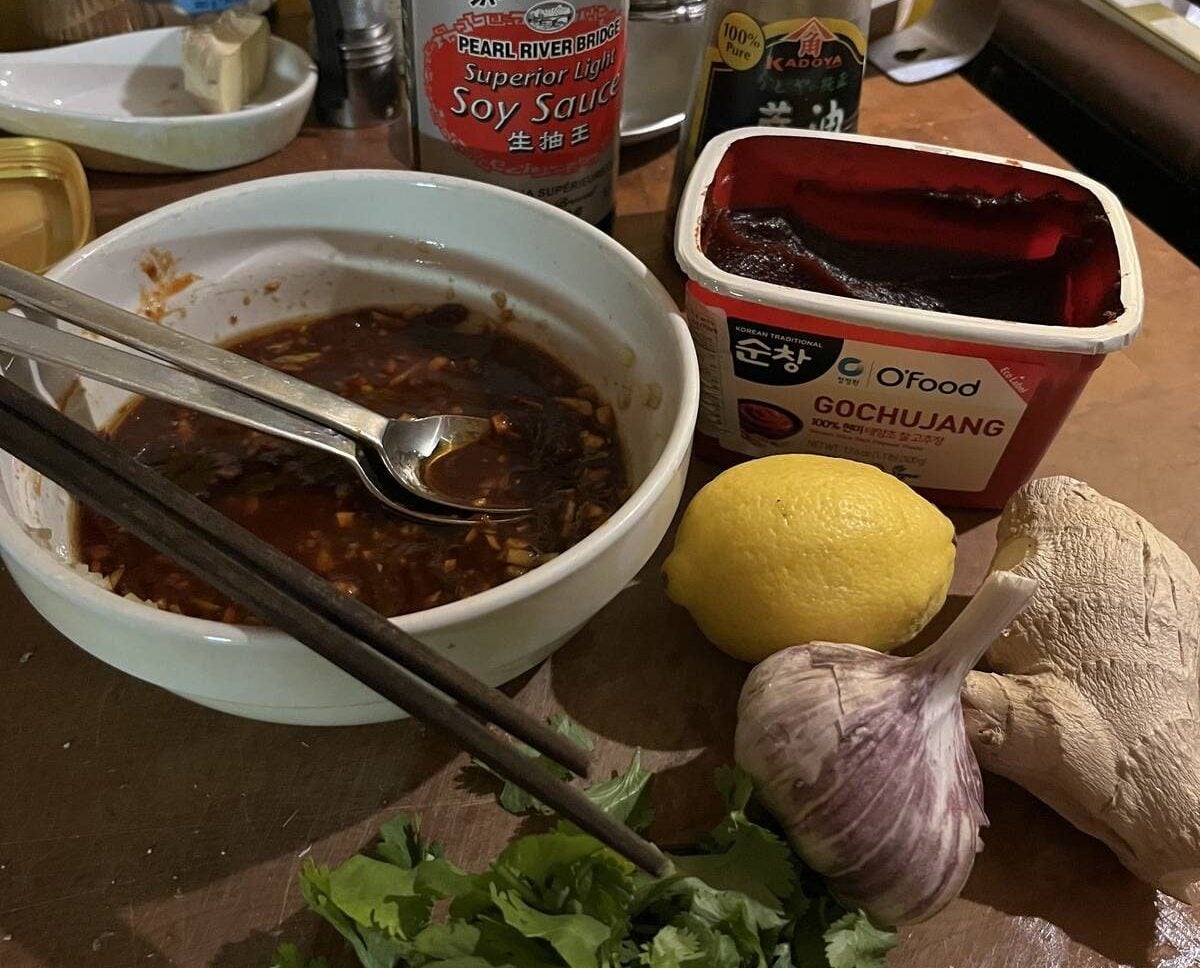
• Gochujang is a thick, spicy-salty-sweet reddish-brown paste made from powdered red chili powder, ground glutinous rice, cooked and fermented soybeans, and salt. This paste serves as a Korean mother sauce, becoming ssamjang, with the simple additions of vinegar, sesame oil, chopped green onions and doenjang. Ssamjang (“wrapped thick sauce”) is traditionally used to literally wrap around grilled meats served with flatbread, red lettuce leaves and perilla, anise-flavoured leaves similar to Japanese shiso.
Gajeun yangnyeom (“everything seasonings”) are the other essentials. They include toasted sesame seeds and roasted sesame seed oil, crushed garlic, green onions, gochugaru (crushed chili powder), shoju (distilled rice alcohol), dried seaweed, and sweet/acid ingredients such as plum syrup and rice vinegar.
Jeot refers to the array of salted, fermented and dried seafoods that act as side dishes, condiments, and seasonings in this coastal cuisine. They include salted shrimp, dried anchovies, sand lance fish sauce and liquid anchovy sauce (both similar to Thai and Vietnamese fish sauce), salted squid and octopus, and liquids and pastes made from oysters, clams and fish roe.
Plug in your earbuds, find some K-pop, then dance, or run, or groove to the move. When you’re done, hit the kitchen. First we eat, then we work our way around the Asian flavour world.
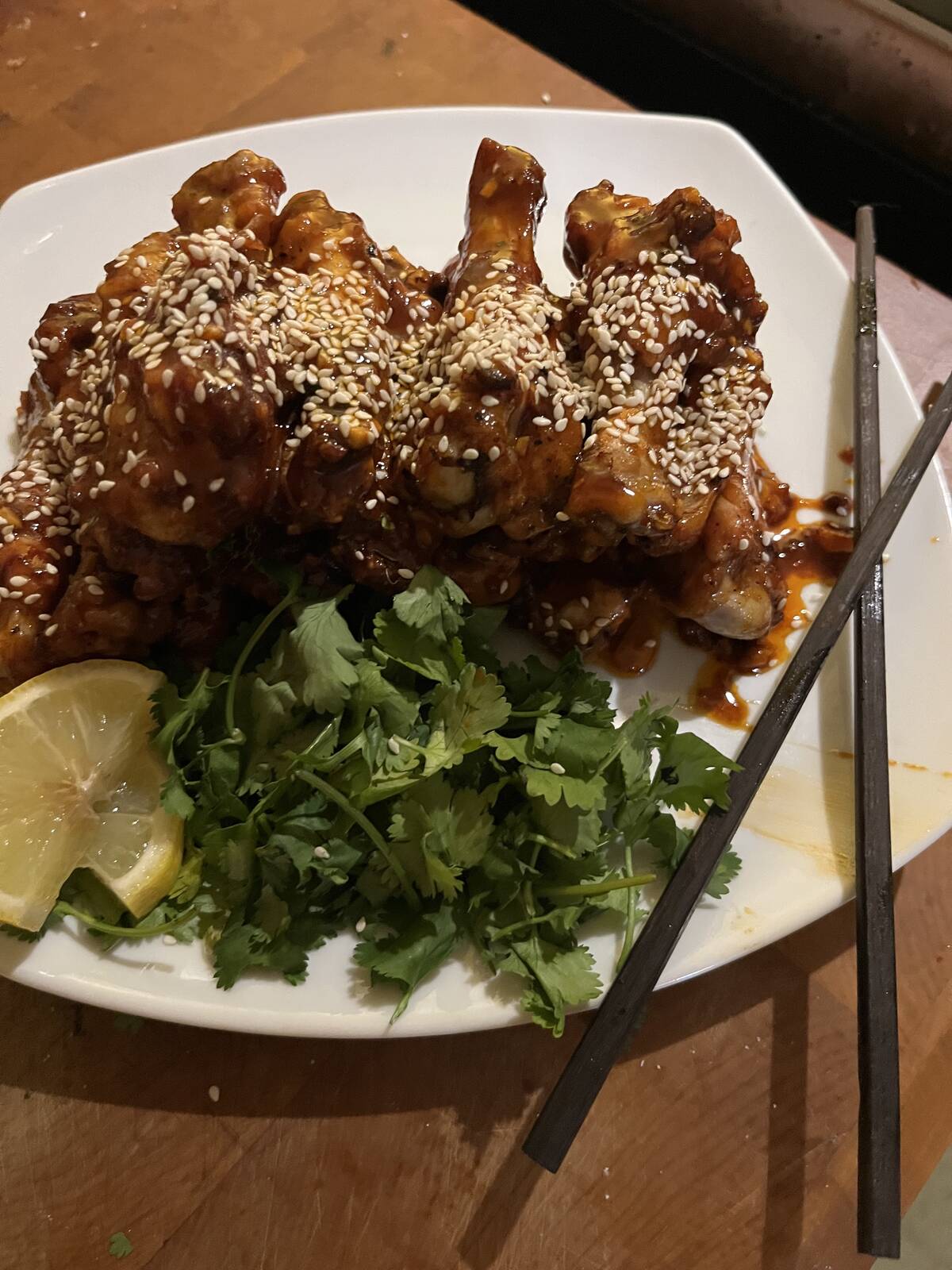
Yangnyeom chicken wings
This spicy dish contains the elementals of Korean seasoning. It is quick and delicious, ideal for Sunday supper, Tuesday lunch or a shareable snack for the hockey game. Traditionalists dredge the wings in flour or a thin batter and deep-fry them, but I prefer to use my air fryer or oven to roast them. This sauce is equally great on grilled beef, pork, salmon or grilled vegetables. Add a bowl of rice and some roasted cabbage to level up to supper.
Serves 2-4.
- 2 lb. chicken wings, separated at the joints
- 2 Tbsp. sunflower oil
- salt and pepper to taste
- 1/3 cup gochujang
- the juice of ½ lemon or rice vinegar to taste
- 6 cloves garlic, finely minced
- 1 Tbsp. minced ginger root
- ¼ cup light soy sauce
- ¼ cup roasted sesame seed oil
- toasted sesame seeds for garnish
- minced green onions or cilantro for garnish
Preheat oven or air fryer to 400 F. Line a baking sheet or air fryer basket with parchment paper. Toss the wings with oil, salt and pepper, then arrange in a single layer on the tray or in the basket. Cook until tender and crisp, turning once, about 20 minutes.
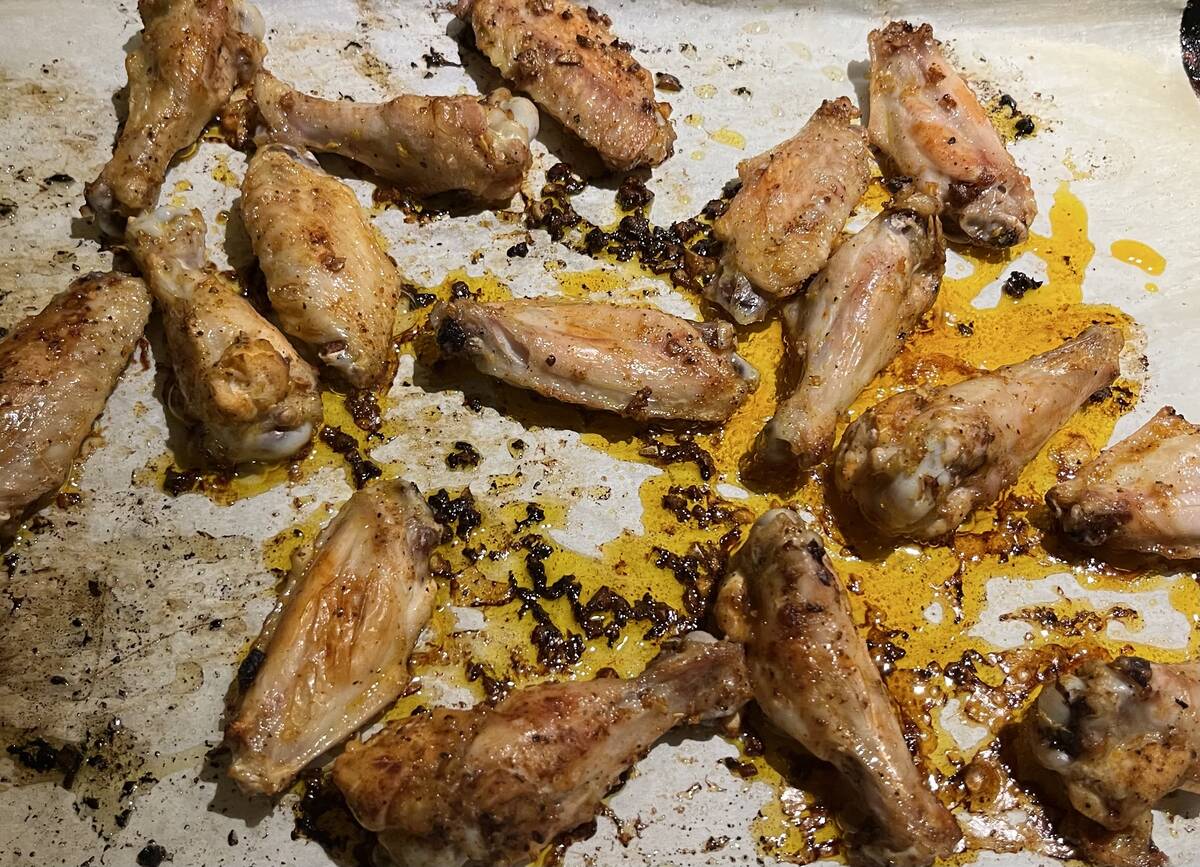
While the chicken roasts, combine all remaining ingredients except the garnishes. Stir the resulting sauce, thin with a bit of water if it’s too thick, and transfer to a medium heat-proof bowl.

Transfer the cooked chicken to the bowl, toss well, and arrange on a platter. Drizzle with remaining sauce, and top with sesame seeds and minced green onions or cilantro. Serve hot.