

Q. As the 2019 growing season wraps up, what should I do to plan for 2020?
A. As the current season ends, growers have an excellent opportunity to carry lessons learned into next year.
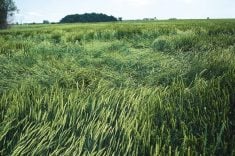
Now is a good time to take stock of observations made from the swather or combine cab. Lodging may be an indication of disease, seeding rate or nutrient management issues. Patches of perennial weeds, like Canada thistle, may warrant a post-harvest herbicide application if time permits. Canola fields can be checked for clubroot and blackleg where suspicious patches are identified. Fields with wild oats that escaped herbicide control can be sampled and tested for resistance and pre-emerge herbicides can be considered to switch up groups.
Read Also
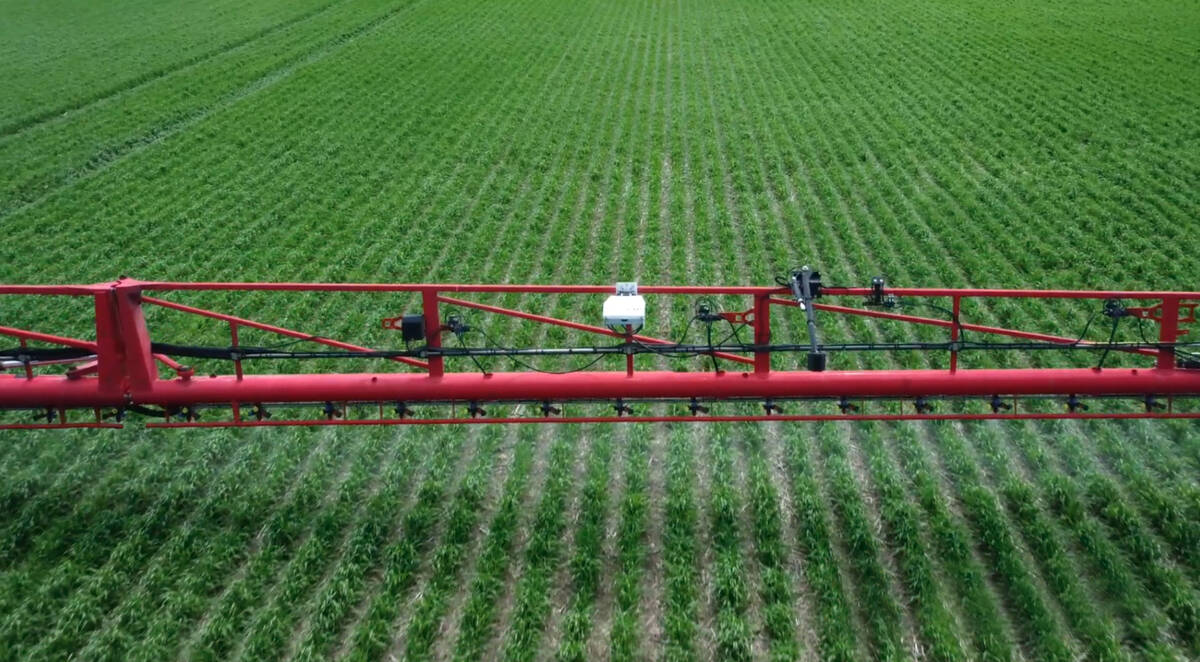
Croptimistic’s SWAT Cam maps one million acres in Western Canada
Croptimistic’s SWAT Cam has mapped more than one million acres, using sprayer-mounted cameras to generate crop and weed maps that support in-season analysis and future management decisions.
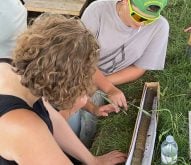
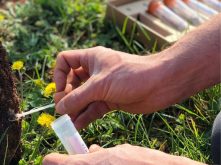
Now is also a good time to consider soil sampling. Sampling after soil temperatures drop below 10 C in the fall provides a good picture of nutrient levels and can guide 2020 fertility plans. Also consider testing any farm-saved seed. It is important to test germination, especially given the challenging growing season and harvest, but also do a fungal screen to determine which pathogens are present and choose an appropriate seed treatment.
With marketing challenges affecting multiple commodities, now may be a good time to think about changing your crop rotation or adding new crops.
Hauling grain to the elevator might uncover issues like fusarium head blight (FHB), wheat midge, low protein or glyphosate damage at grading time. Make management changes next year to mitigate these issues, like budgeting for a FHB fungicide on cereals, selecting midge-tolerant wheat varieties, evaluating a nitrogen fertility program for wheat or taking extra care when staging crops for pre-harvest glyphosate timing.
Stacie Yaremko, P Ag, CCA, is a manager of agronomic services for Nutrien Ag Solutions in northern Alberta.