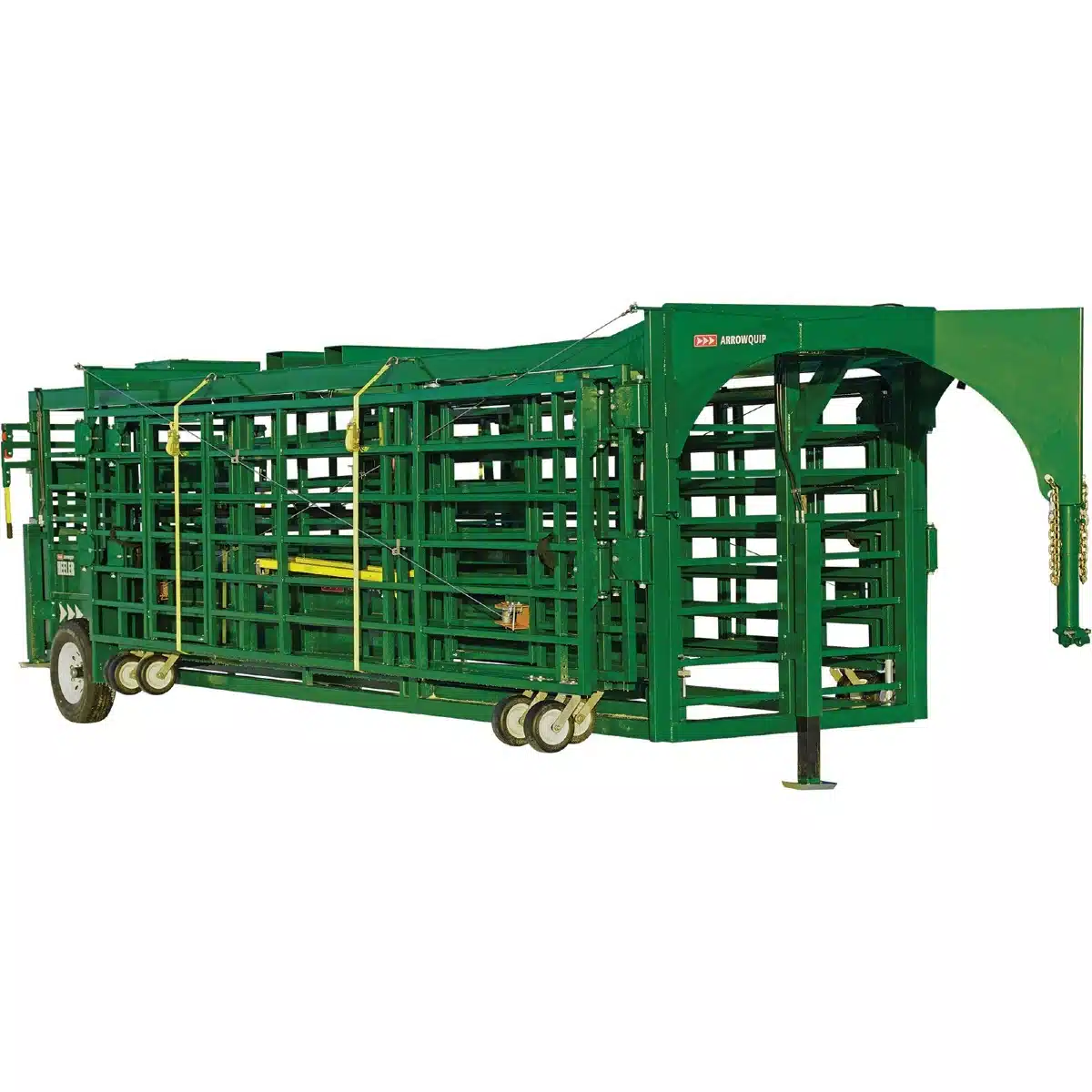

We are fortunate in Western Canada that many good working cattle chutes are manufactured here.
I have written about a few over the years, and each have their pros and cons.
In the old days, many counties in Alberta would rent a chute on transport wheels.
Read Also

Strychnine’s emergency use on Prairies comes with limited times, places
The maker of two per cent liquid strychnine says it’ll take some time to ramp up production to meet the product’s emergency-use registration against gophers in parts of Saskatchewan and Alberta.
Luckily, the old scissor-type head gates are a thing of the past because many animals would attempt to jump through and get hung up at the hips.
Ensure safety
It’s important for the safety of producers and everyone else dealing with their stock that handling equipment is functional and safe.
The brand-name chutes still need to be checked to make sure nothing is broken.
The older chutes with wooden boards and wooden floor struts can be replaced with treated lumber.
The quality is generally there, and as a start-up chute, it is still considered a good choice.
There are also calf cradles or calf chutes, and if dealing with smaller calves at spring turnout, these work fine.
Restraint is key in today’s cattle production with its preventive vaccines, preg checking, calf implanting and the administration of pour-on products or those given orally.
Having a functioning, well-maintained chute is the way to get you there.
Neighbours know best
It’s best to talk to your neighbours about why they like their chute.
When in doubt, the best person to ask is your herd veterinarian because they have used all kinds of chutes in all kinds of circumstances.
Many producers advance from a good manual chute to a hydraulic one, and I have even written an article on the advantages of hydraulic chutes.
They come with a price tag, but the savings on labour are huge, and a small person can run one all day and not get fatigued.
I have had situations where a calf got turned around in a lead-up alley system while castrating and vaccinating. The beauty is the calf can be backed into the chute and essentially done backward and then backed out of the chute. These are all labour savings.
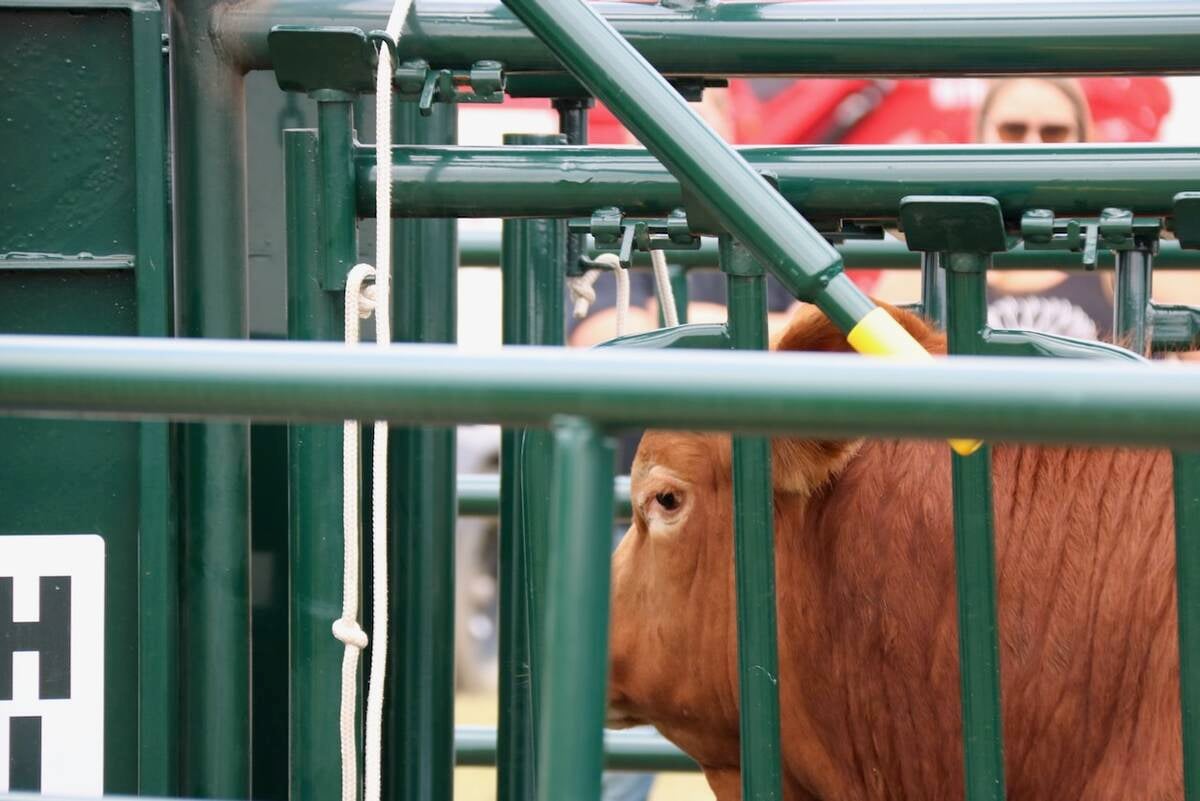
The newer chutes can have neck restraints that make implanting much easier. Implanting does take some skill and repetition, but the proper head restraint is key.
Instructions not included
When I jokingly ask someone who has just bought a chute if they had read the operator’s manual, the hesitant response is always no. That’s because they don’t come with one, so producers need to jump in and work with them.
Experiment with the neck adjustment and adjusting the width of the chute. Make sure there is a mechanism for traction on the floor.
The biggest improvements over the years have been metal floors with built-in traction devices and better access panels for giving shots, especially with access to the neck area.
Ideally, there will be a self-catch head gate or one that can be operated from the side.
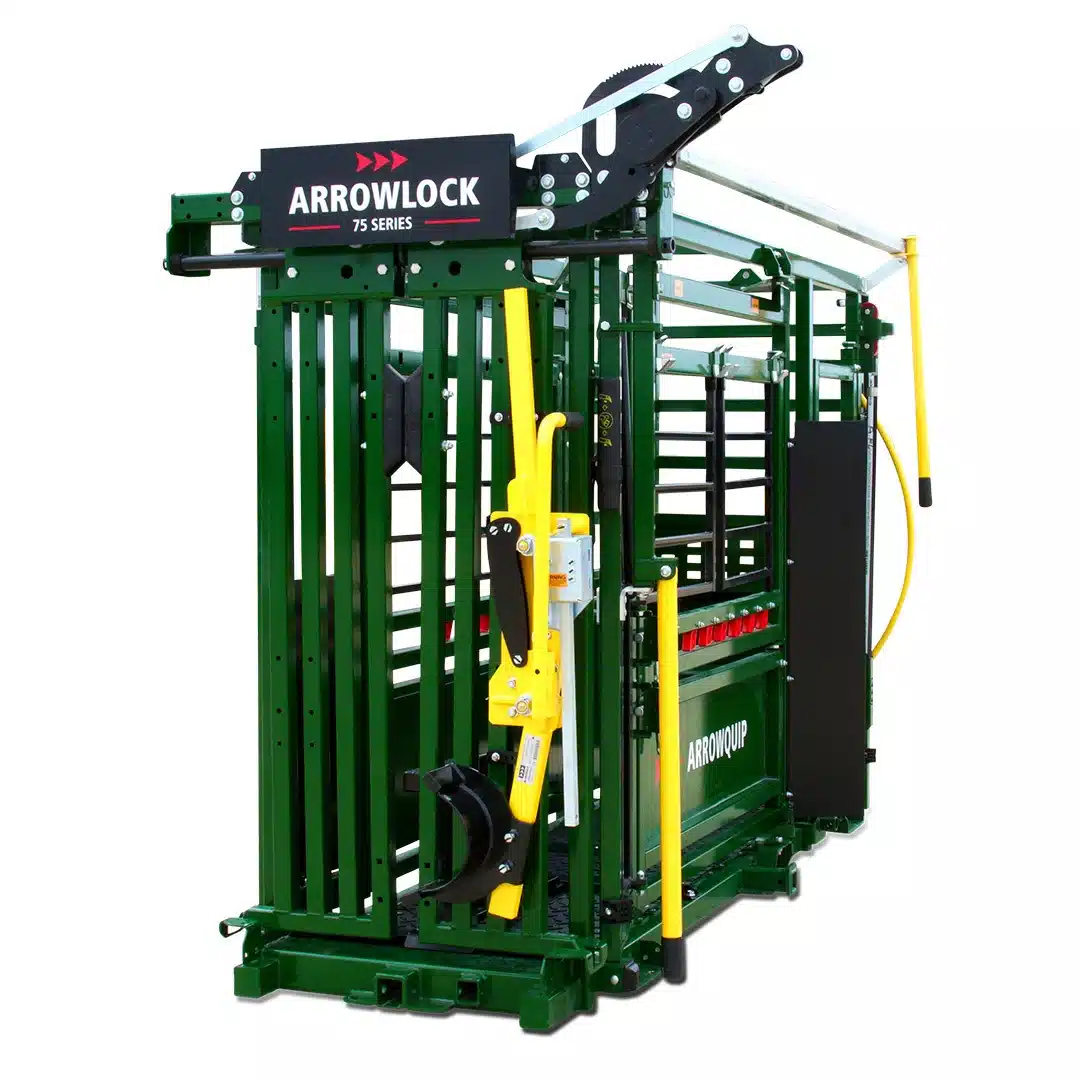
I recently used an Arrowquip chute manufactured in Manitoba. It allows the user to operate from the side so that cattle walk easily along. It is also very well leveraged so younger folk can easily use it. A large fibreglass bar can be placed behind the livestock.
Good equipment reduces stress
Animal welfare has improved dramatically in modern livestock production because of good equipment. The stress on the cattle and operators has greatly reduced, and we simply do a better job.
The importance of handling equipment will increase as individual care becomes more common and more products are given orally or poured on.
Chutes have had to get bigger, especially in the cow-calf and feedlot sector, because finished cattle are bigger and heavily pregnant cows require width when moving through the chutes.
Old chutes are often placed in pastures and work well with small catch pens.
We now have the ability to dart with certain products in situations where the medication will help and where animals are in too big an area to round up or the family doesn’t have a very experienced roper.
Protocols for the use of remote drug delivery devices should be worked out with a veterinarian.
I also don’t know many decent-sized producers who don’t have a maternity pen.
Make it easy on yourself when examining a cow at calving or helping them suck.
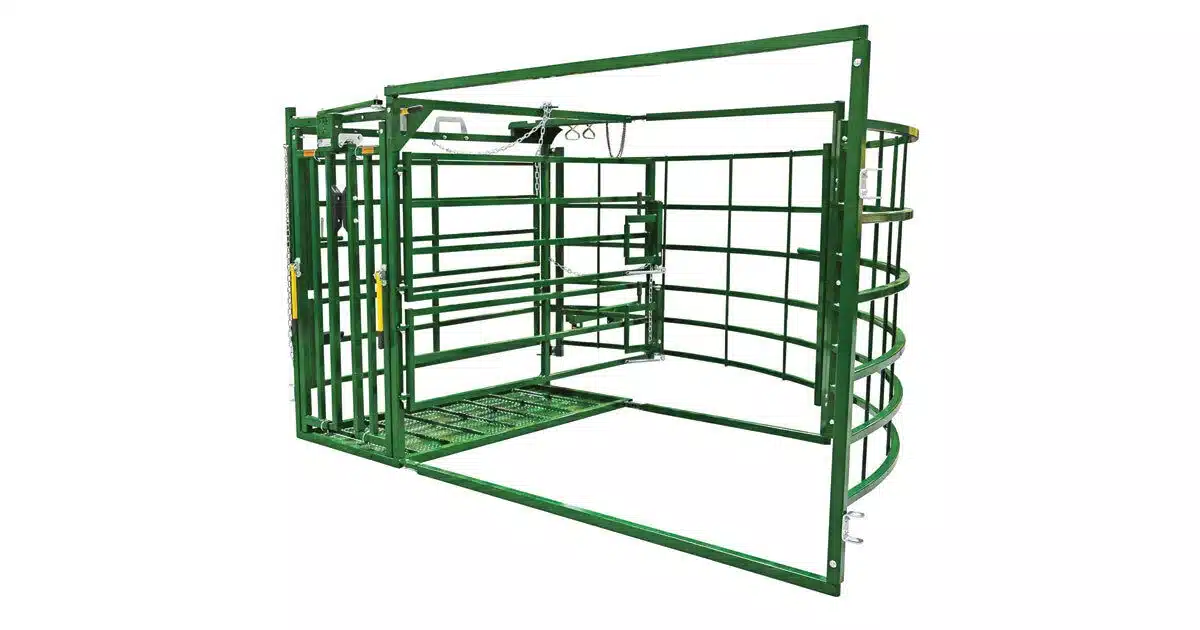
They need to be set up somewhere that has easy access, a good light source and is out of the elements. They are worth their weight in gold, and can often be found at farm dispersals, ranch sales or consignment auctions in rural towns.
I have my favourites, but any maternity pen is better than no maternity pen.
Handling equipment is a worthwhile, long-term investment.
It increases efficiency and safety for both the veterinarian and the producer.
As well, the cattle are much safer and less likely to injure themselves, even the frantic ones.