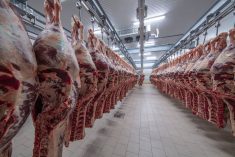

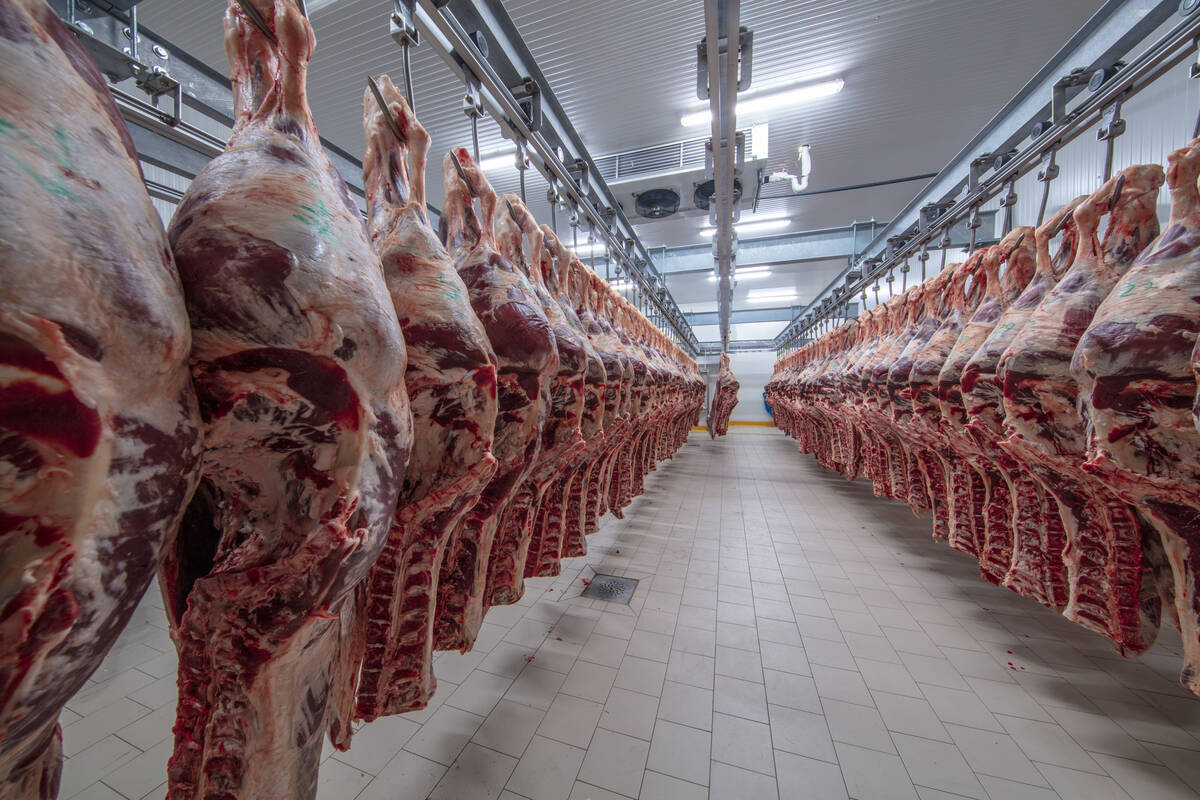
JBS employees ratified a two-year labor agreement with the world’s largest meatpacker after a three-week strike disrupted operations at a massive beef processing plant in Greeley, Colorado, the company and union representing the workers said.
The agreement, announced on Sunday, will allow JBS to resume normal operations at the plant at a time when beef prices have set record highs due to strong demand from consumers and historically low U.S. cattle supplies.
Read Also
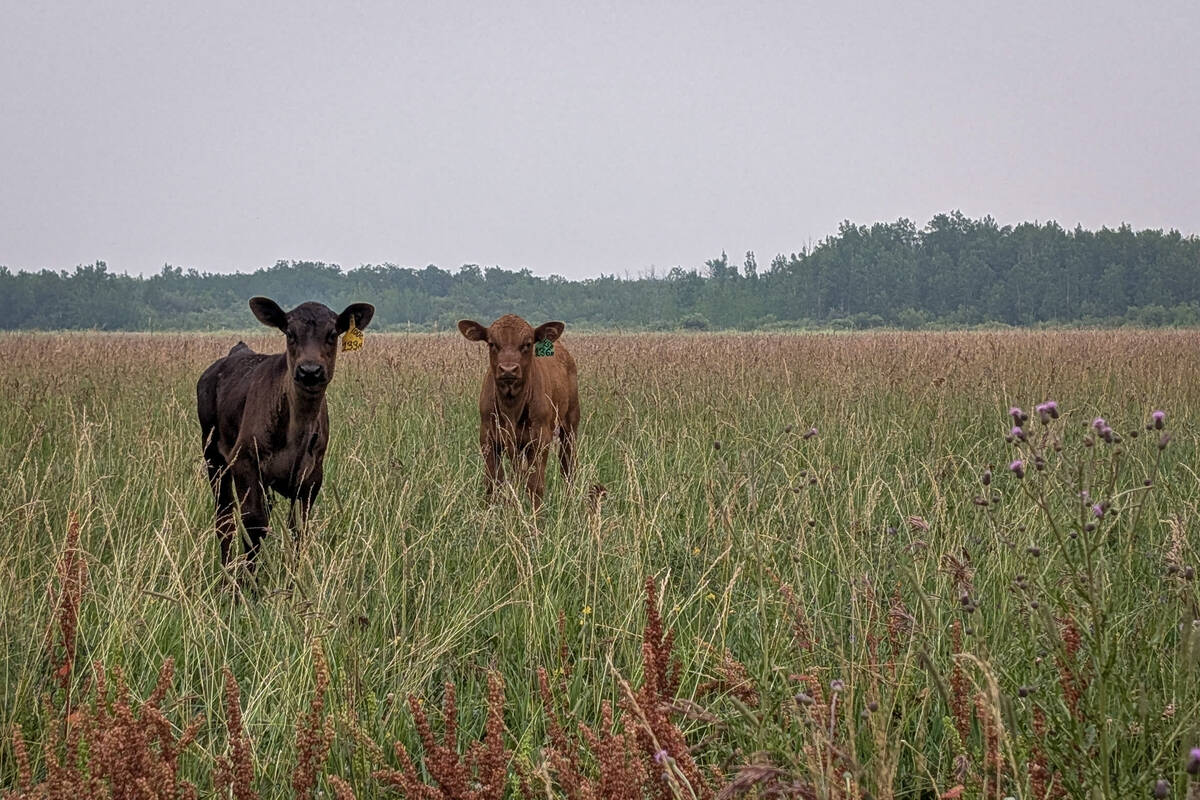
Public consultation open on national beef code of practice
Public consultations on a revised Canadian code of practice for the care and handling of beef cattle, with updated guidance for ranchers on best practices, opened April 13.
JBS and the United Food and Commercial Workers (UFCW) Local 7 union resumed negotiations last week after nearly 3,800 employees went on strike to press for higher wages and a halt to company charges for replacing protective equipment. The union said it was the first time U.S. meatpacking workers had gone on strike in four decades.
“The strike worked,” Kim Cordova, president of UFCW Local 7, said on Monday.
The agreement secures wage increases over the next two years that were about 33 per cent higher than JBS offered in a pre-strike offer, according to the union. The deal also protects workers from having to pay for personal protective equipment and safeguards them against increases in healthcare costs, the union said.
Union to withdraw unfair labour practice charges
JBS said the deal was “within the economic framework” the company presented to the union months ago, though the union chose to reallocate pension contributions to wages.
“The strike at Greeley could have been avoided,” JBS said.
The meatpacker was pleased with the deal but “expressed disappointment that UFCW Local 7 leadership chose to eliminate the historic pension benefit that was part of the national agreement negotiated last year in partnership with UFCW International,” according to a statement.
Cordova said UFCW Local 7’s proposal was stronger than the national contract that unionized meatpacking workers at multiple other plants ratified with JBS last year.
As part of the deal with workers in Greeley, the union was withdrawing seven unfair labour practice charges against JBS, the company said.
Beef prices set records this year after the nation’s cattle inventory dropped to a 75-year low. Scarce supplies forced meatpackers to pay more for cattle to slaughter, even as processors benefited from the soaring beef prices.
Ranchers delivered cattle to other JBS plants during the strike at Greeley.
Rival meatpacker Tyson Foods closed a beef plant in Nebraska this year and reduced operations at a Texas facility.