

Recently, an American Airlines flight attempting to land at JFK Airport in New York had to declare an emergency due to a failure of the onboard flight computer that was needed to set up the landing procedure.
An analyst, a retired airline and military pilot with decades of experience, commented on that event, saying new pilots being trained today are becoming more dependent on using the built-in technology to fly a plane rather than a more hands-on manual procedure more common on older aircraft.
That problem is also occurring for vehicle drivers.
Read Also
Soft North American farm machinery market hits Agco profits
North America was the weakest of Agco’s sales markets in the latest fiscal year for the farm equipment manufacturer, Scott Garvey reports.
Having spent time working at a truck driving school, I was taken aback by the number of drivers who had no previous experience shifting a manual transmission or even an understanding of basic mechanical systems.
That was true even with drivers who had a couple of years of experience and whose skills we evaluated for some fleets as part of their hiring process.
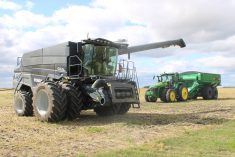
This lack of driver knowledge is the result of advancing technology that makes it possible to operate all vehicles with fewer skills, just as GPS auto-guidance, headland turn systems and automated threshing adjustments in combines let farm equipment operators get by with fewer skills.
All of that advancement, however, comes with a cost. Today’s vehicles — and farm machines — experience far more problems than older models.
When power windows and door locks first started commonly appearing in the 1970s, many people shunned them because the electrical systems were more likely to fail over time than good old crank window mechanisms.
And really, is it a hardship to manually crank up a window?
The total of recalls
Today’s vehicles are bristling with technology, and there is no avoiding the electronics.
The U.S. National Highway Traffic Safety Administration published a report in 2023 that revealed that an increasing number of vehicle recalls are related to electronics such as advanced collision avoidance systems.
Over the last five years of the report, there has been a fivefold increase in recalls involving those advanced collision avoidance features, affecting more than four million vehicles in 2022.
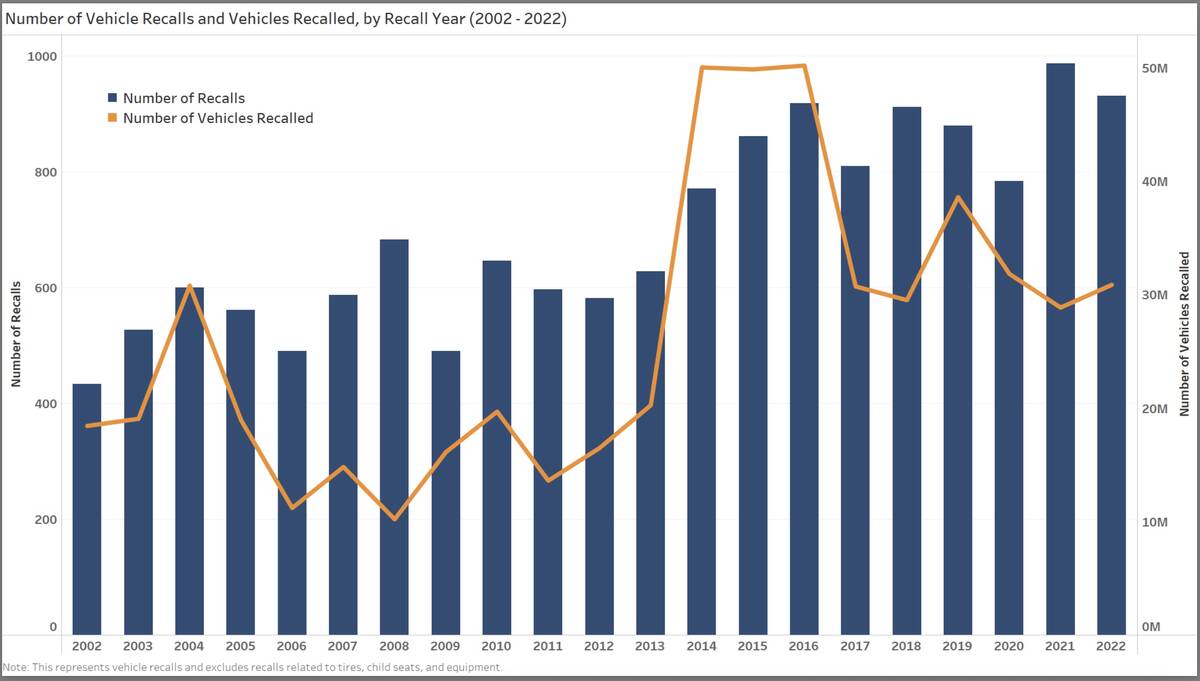
The NHTSA report showed that the years 2014-17 hit a peak in total vehicles affected by recalls with almost 50 million vehicles in North America impacted per year. By 2021, the number of recalls reached almost 1,000 annually.
That more than doubled the number of recalls from the earliest date in the report, 2002.
The report also showed the number of owners getting those recalls taken care of within 15 months declined over the period to slightly more than 50 per cent, meaning a significant number of vehicles are operating for extended periods with potentially faulty systems, with today’s less-skilled drivers depending on them.
Owners can use the Transport Canada website’s search feature to check if their vehicle has outstanding recalls by entering its 17-digit VIN number.
By 2024, there were 785 separate vehicle recalls in Canada, affecting more than eight million cars.
‘Find and fix’
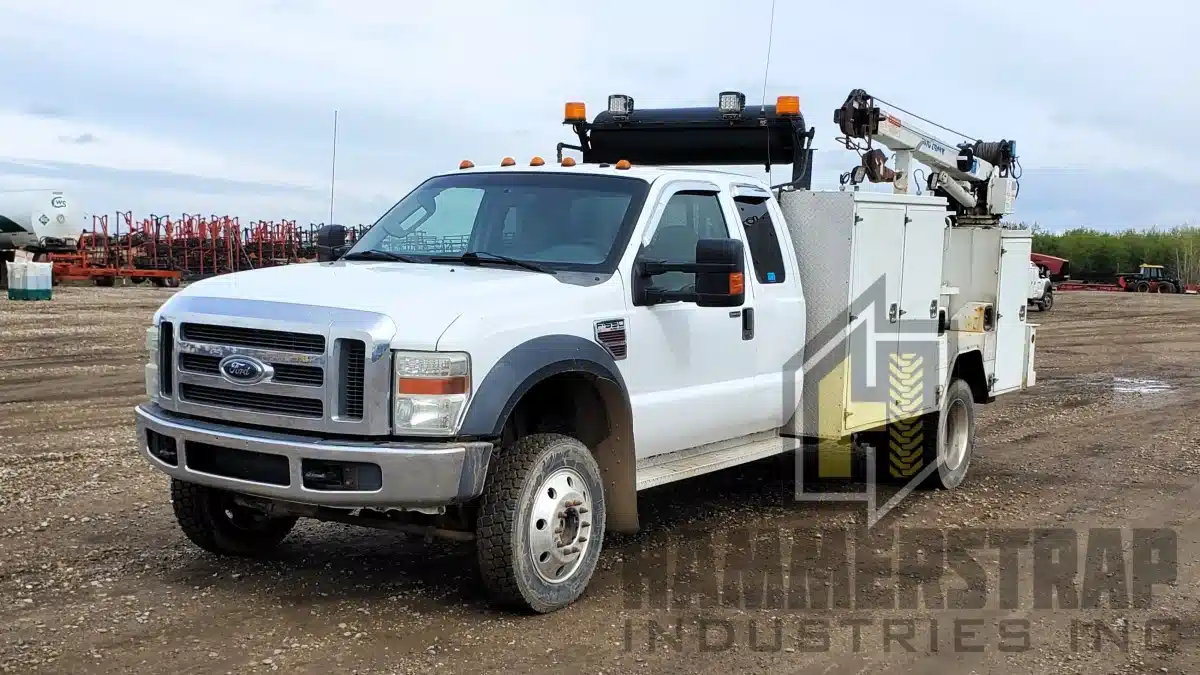
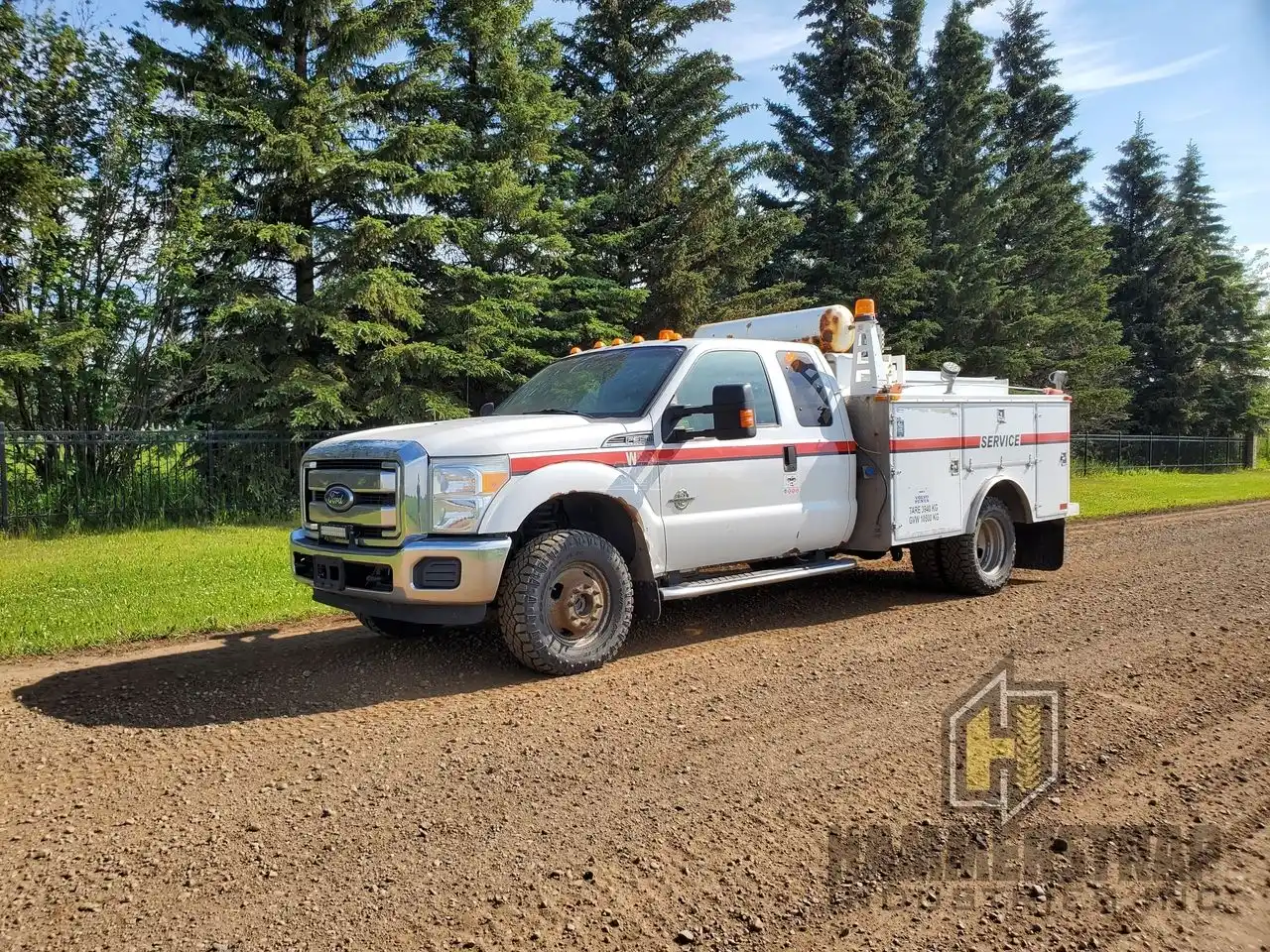
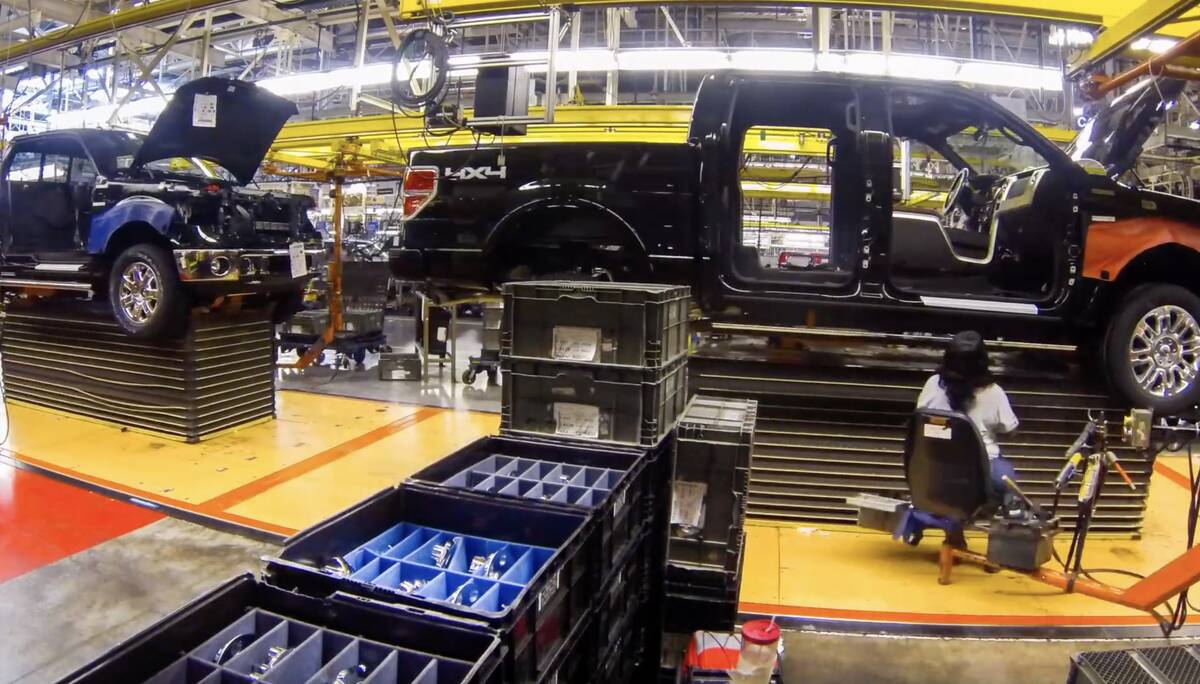
Ford is one brand that has been criticized recently for poor quality control leading to recalls. A Transport Canada search of F-150 pickups built between 2020 and 2026 account for 69 different recalls.
In a statement, the company said the higher number of recent recalls was actually the result of stepped-up quality control measures.
“The increase in recalls reflects our intensive strategy to quickly find and fix hardware and software issues and go the extra mile to help protect customers. Ford has more than doubled its team of safety and technical experts in the past two years and significantly increased testing to failure on critical systems in current Ford vehicles such as powertrains, steering and braking. Insights from this testing are being incorporated into current production.”
The company adds that this approach has allowed it to move up several spots in the annual J.D. Power reliability ratings.
In comparison to the F-150, according to Transport Canada, recalls over the same time period for the other full-size pickups on the market shake out this way: 25 for the Chevy Silverado, 19 for the Toyota Tundra and 37 for the Ram.
So while drivers can rely on ABS to help them stop on ice without having to manually adjust braking pressure and have lane departure warning systems remind them they’re not paying attention, we’re paying a reliability price for allowing ourselves to be dumbed down as drivers. And yes, some of the technology is mandated by emissions regulations as well.
Today’s high-tech vehicles require a level of engineering and sophistication that make pumping out reliable machines a lot more difficult than it was a couple of decades or more ago.