
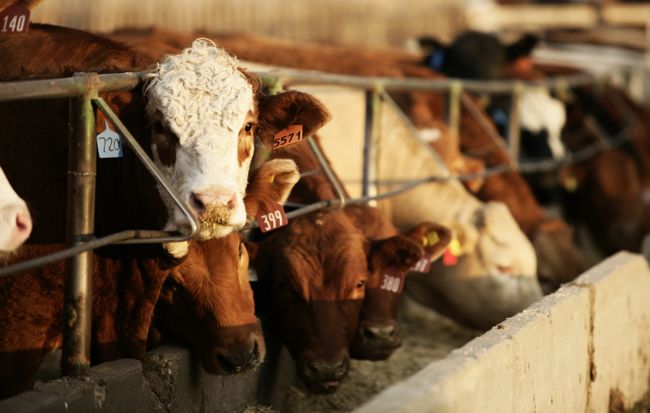
Western Canadian feeder cattle markets experienced limited activity over the past week because most auction barns were closed for the holiday season.
There was some reported activity in certain regions such as central Alberta and prices were relatively unchanged from seven days earlier. Frigid temperatures tempered buying activity. Feedlots in the nearby area of the sales were the main buyers, with most operators shying away from shipping cattle farther distances. Ontario demand was quiet. Live and feeder cattle futures reached up to four-week highs providing underlying support to the cash trade. While there was a softer tone in the heavier weight categories, buyers were quick to defend the price structure allowing limited slippage. Wholesale beef values may have turned a corner, ending the week on a firmer tone. The upward momentum in the fed cattle market is expected to continue. Optimism seemed to abound amongst the handful of buyers present.
Read Also
CBOT Weekly: USDA predicts declines in planting intentions
Declines in projected planting intentions for 2026/27 were not as big as the market expected, after the United States Department of Agriculture released its estimates on March 31. The USDA also issued its quarterly grain stocks report with stocks for soybeans bigger than anticipated, while those for corn were smaller and wheat virtually matched the average trade guess.
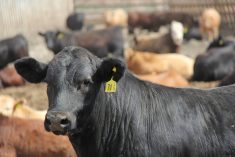
In central Alberta, a small group of two-month-weaned mixed medium-frame steers weighing just over 600 lbs. were quoted at $215; black unweaned steers averaging 500 lbs. were quoted at $253 in the same region. Weaned pre-conditioned mixed heifers averaging 640 lbs. traded at $181.
Barley prices have been ratcheting higher over the past week. Wintry-type conditions across the Prairies have slowed off-farm movement. Feedlots are starting to factor in a higher cost per pound gain, especially for mid- and lighter-weight replacements. Cold temperatures also caused buyers to factor in a higher deathloss, which caused the market to incorporate a risk discount on certain groups.
— Jerry Klassen manages the Canadian office of Swiss-based grain trader GAP SA Grains and Produits Ltd. and is president and founder of Resilient Capital, specializing in proprietary commodity futures trading and market analysis. Jerry consults with feedlots on risk management and writes a weekly cattle market commentary. He can be reached at 204-504-8339.