

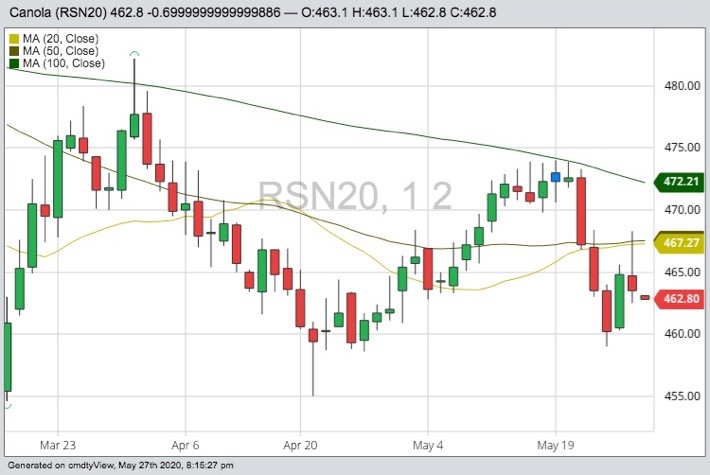
MarketsFarm — Although ICE July canola finished $1.30 per tonne lower Wednesday, at $463.50, following a ruling on the extradition of Huawei executive Meng Wanzhou, Wayne Palmer said there’s much more to the decline in the price.
While Palmer, a trader with Exceed Grain in Winnipeg, called the ruling “a nail in canola’s coffin,” he said the COVID-19 pandemic and grain glut also factor into the drop in canola values.
“Worldwide demand, whether it’s soybeans or wheat, is more interested in fighting the pandemic than buying any grain forward,” he said, adding those who are buying are largely doing so on a hand-to-mouth basis.
Read Also

Speculators add to bullish bets in canola
The speculative net long position in canola continues to grow, hitting its largest level in eight months according to the latest Commitments of Traders report from the United States Commodity Futures Trading Commission (CFTC) released Friday, March 20.
Besides the COVID-19 pandemic, Palmer said there is a grain glut, not only in North America, but also globally. On top of that are fairly decent planting conditions in the U.S. and Canada this spring.
“Farmers can’t store two crops in one year,” Palmer said, noting the need for them to sell what they already have stored.
“Prices will go down before they go up.”
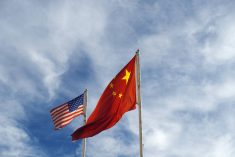
As for Meng, Palmer said canola prices increased ahead of today’s ruling on speculation that the Huawei executive would have been released.
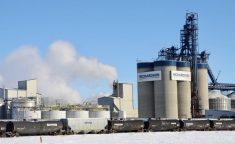
In turn, hopes were that China then would have lifted its ban on canola imports from Richardson International and Viterra and begun acquiring more canola from Canada.
With the court ruling keeping Meng in Canada for now, about the only thing that could help canola prices would be some kind of a disaster such as a drought, Palmer said.
Otherwise, “we need some new buyers and we got to move some grain here.”
— Glen Hallick reports for MarketsFarm from Winnipeg.