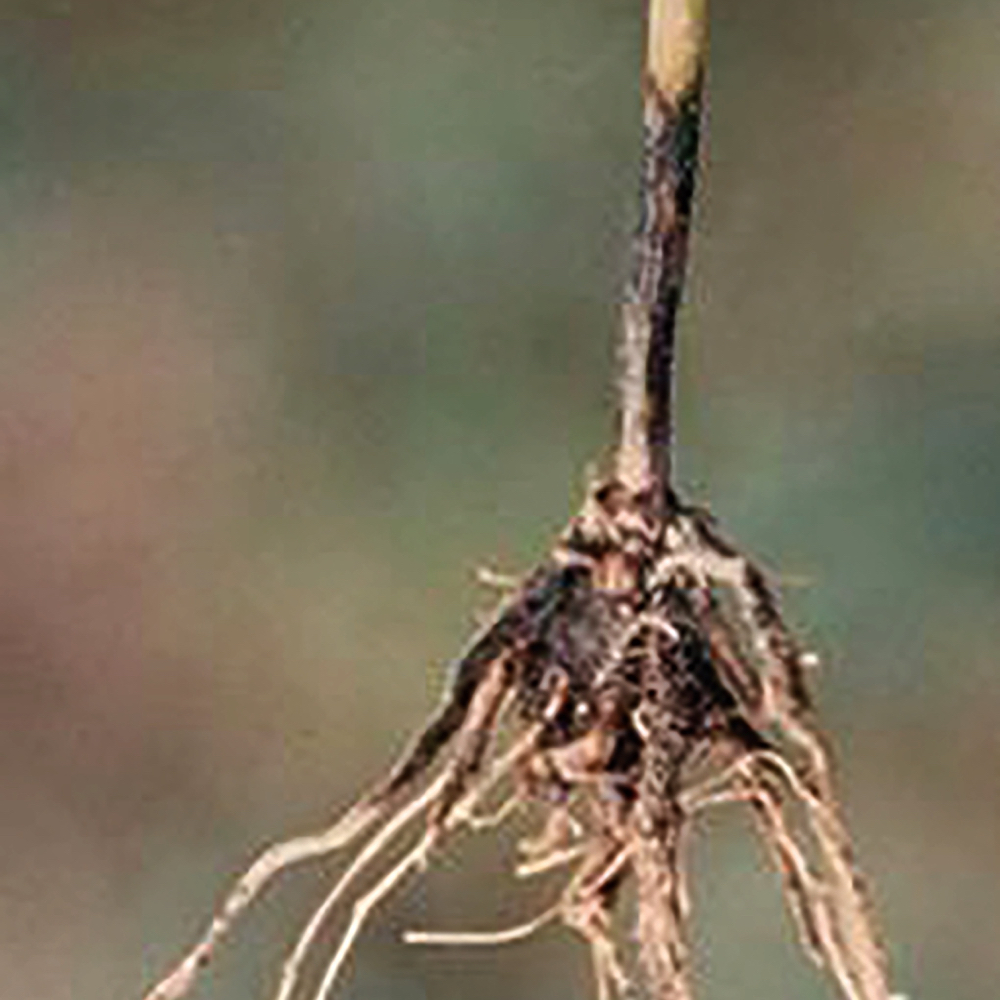
Q: What can I do to reduce the impact of cereal root diseases?
A: Diseases such as seedling blight and common or browning root rot can cause crop loss early in the growing season. During a typical year, yield losses due to these pathogens fall in a range of six to seven per cent across the Prairies. To proactively manage root diseases, use high-quality seed and appropriate seed treatments.
Root rots occur in a complex containing a few main pathogens: Fusarium, Alternaria, Septoria, Pythium, Cochliobolus and Rhizoctonia. These pathogens can be present in the soil or brought in with the seed. Conditions that typically favour root rot development are akin to those that hinder early-season crop growth. Cool, wet conditions and deep seeding in soils with poor structure or drainage can increase root rot symptoms. Managing root rot can be done effectively by implementing a combination of chemical and cultural control methods.
Read Also
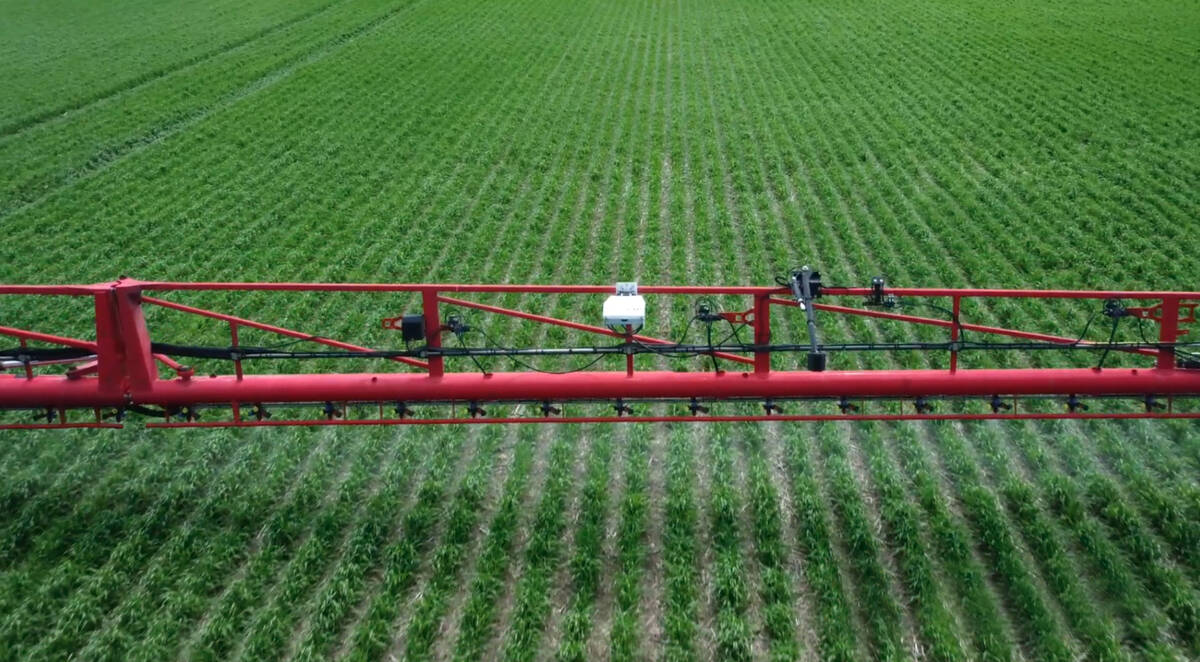
Croptimistic’s SWAT Cam maps one million acres in Western Canada
Croptimistic’s SWAT Cam has mapped more than one million acres, using sprayer-mounted cameras to generate crop and weed maps that support in-season analysis and future management decisions.
Seed treatments are an effective means to manage early-season root rot issues. These products provide germinating seedlings with protection from both soil- and seed-borne pathogens. Seed coverage with the treatment is paramount. Poorly applied seed treatments can reduce control and product efficacy. Seed treatments do not provide season-long control, though typically early-season infections can be most yield limiting.
Crop rotations that include non-host crops can also be an effective management strategy. Cereal root rots typically affect all cereals, so a rotation including oilseeds and pulses can reduce infection levels.
Seeding cereals shallow can help seedlings move out of the soil more quickly, reducing the time of exposure and risk of root rot infection. Adding seed-row phosphorus can also promote healthy root development. Furthermore, modifying the soil in some situations to increase aeration and decrease waterlogging can also reduce root damage.
Finally, using high-quality seed from cultivars showing a level of resistance to root rot pathogens is ideal. Always use a seed treatment on low-quality seed and ensure seeding rates are adjusted to compensate for lower germination levels.
Jordan Peterson, PAg, CCA, is a manager of agronomic services with Nutrien Ag Solutions in northern Alberta.