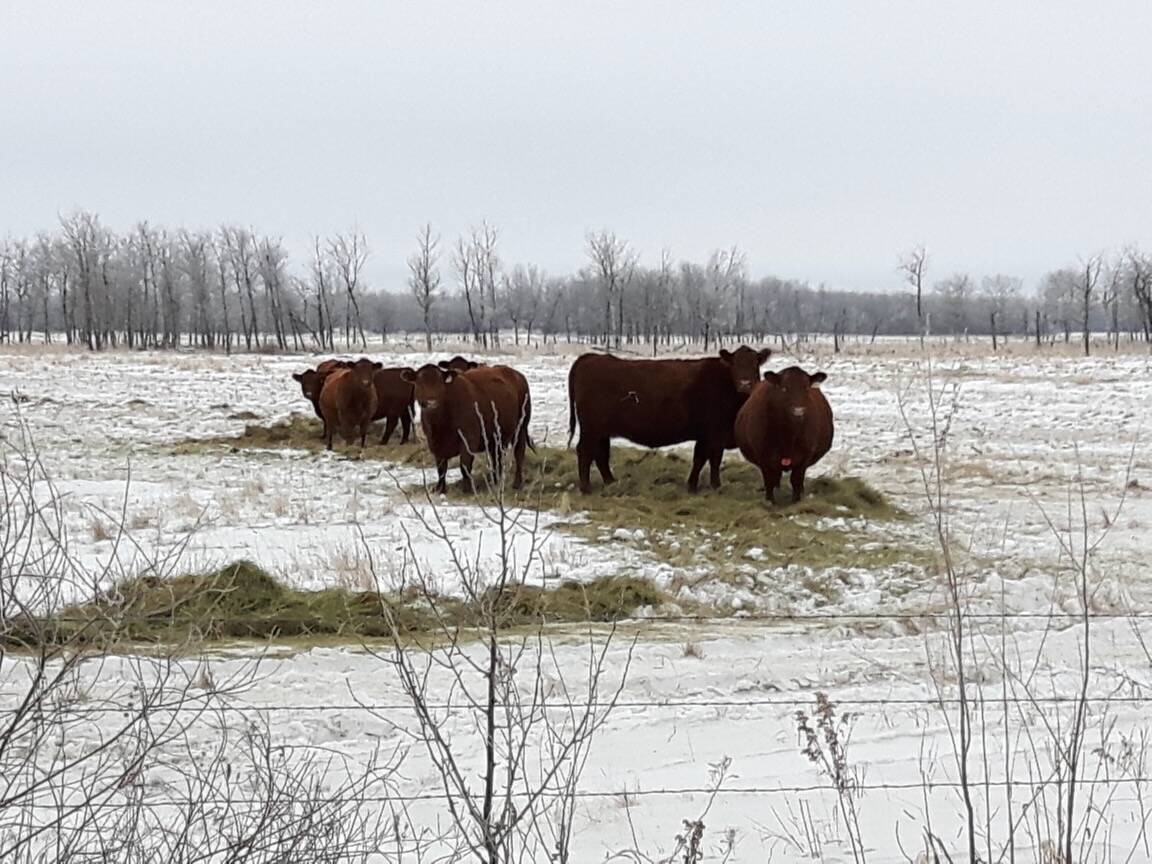
Overwintered cows and replacement heifers are vulnerable to nitrate poisoning from contaminated forages.
Their gestation and even lactation diets are made up of nearly all forages. Fortunately, nitrate testing of forage samples is not expensive, and if a winter feed inventory is discovered to contain toxic levels of nitrates, effective measures can be taken to correct beef herd feeding programs that reduce most nitrate threats.
I was taught a long time ago that nitrates accumulated in many types of forages usually caused by bad weather, despite a small number of forages that are known as good weather high-nitrate accumulators. Some of those damaging weather conditions/forage combinations are as follows:
Read Also
TIM system offers improved performance for Hesston balers
TIM, short for Tractor and Implement Management, allows a Hesston large square baler to control the speed of a Massey Ferguson 8S or 9S tractor for better baler output and bale quality.
- Hailed cornfields, alfalfa and oat crops.
- Drought overshadowing a cornfield.
- Cool, cloudy and wet growing season in alfalfa and other legume crops.
- Early frost in immature cornfields, oats, alfalfa and other legumes.
- Excessive wind that blows over corn plants and causes severe lodging in cereals.
When sunny weather prevails between timely rain showers, nitrates and other nitrogen compounds are naturally taken up by the plants’ roots and transported through the stems and finally to the leaves.
Photosynthesis converts these nitrates into leaf protein. However, when one of the above bad weather conditions interferes with nature, nitrates have literally nowhere to go and tend to accumulate to toxic levels in the lower portion of the plant.
Ironically, nitrates do not cause nitrate poisoning in beef cows.
That’s because the real culprit is an intermediate compound, nitrite. When cow herds consume forages with natural low levels of nitrates, the ruminal microbes break down this nitrate into ammonia, which is safely incorporated back into bacterial protein. In contrast, excessive forage nitrates overwhelm the microorganism’s capacity to process the nitrates into ammonia, and a nitrite pool is formed.
These nitrites are absorbed across the rumen wall into the bloodstream, where they bind with the oxygen-carrying compound hemoglobin, present in cow’s red blood cells. Unlike hemoglobin, methemoglobin cannot carry oxygen in the blood. As a result, the oxygen-carrying-capacity of the cow’s blood quickly diminishes to the point where the tissues of a poisoned cow suffocate to death.
All nitrate-suspected forage (such as a hailed-out barley crop or drought-stricken corn field) should be tested before feeding to cattle as the best assurance for safety. Producers should collect samples in the field and then collect another set of samples once the crop is harvested. Send in all samples into a reputable laboratory and request a common nitrate test, which should cost no more than $20 per forage sample. It is also recommended that water samples be collected and tested for nitrates too.
A routine laboratory printout shows forages and other feeds analyzed for nitrate content are commonly reported as nitrate (NO3) or nitrate nitrogen (NO3N).
Research has proved that mature cattle and replacement heifers can safely consume a total diet containing nitrates that are below 0.5 per cent NO3, or, expressed another way, below 0.12 per cent NO3N on a dry matter basis.
Blending down
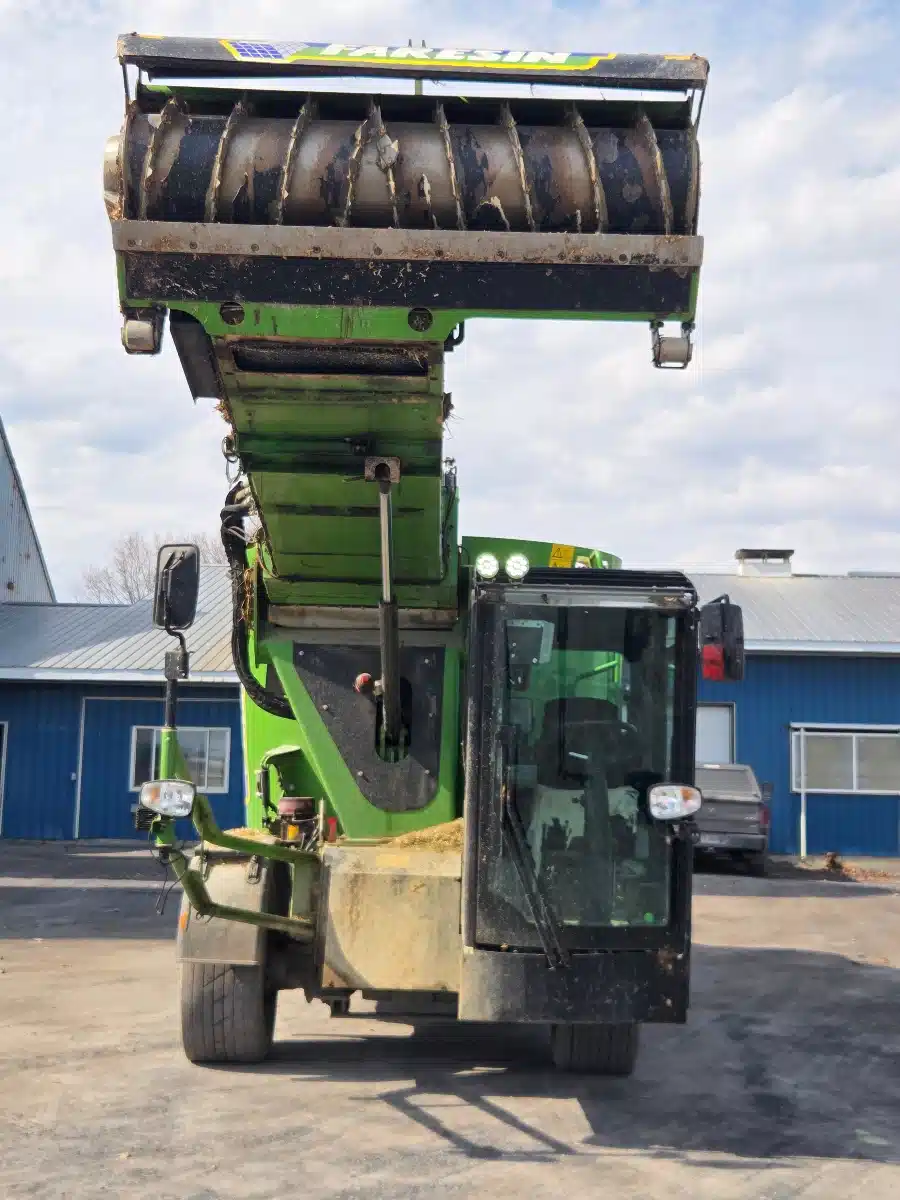
I believe that if overwinter forages are sampled and the results show that they contain toxic nitrate levels for the cow herd, it is a good idea to grind the contaminated forage such as hay and dilute it with other clean hays, straw and silage.
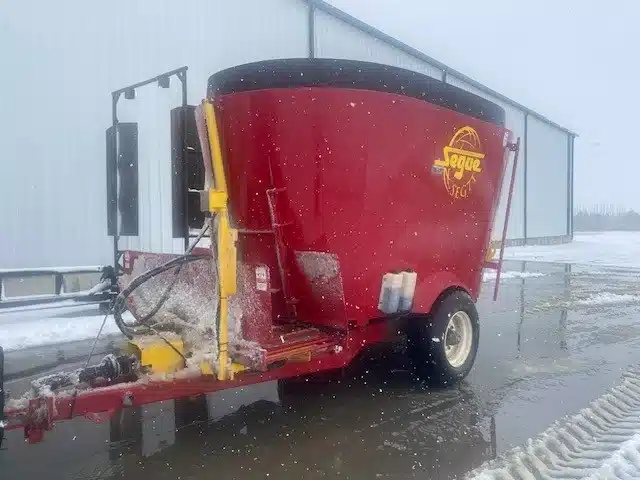
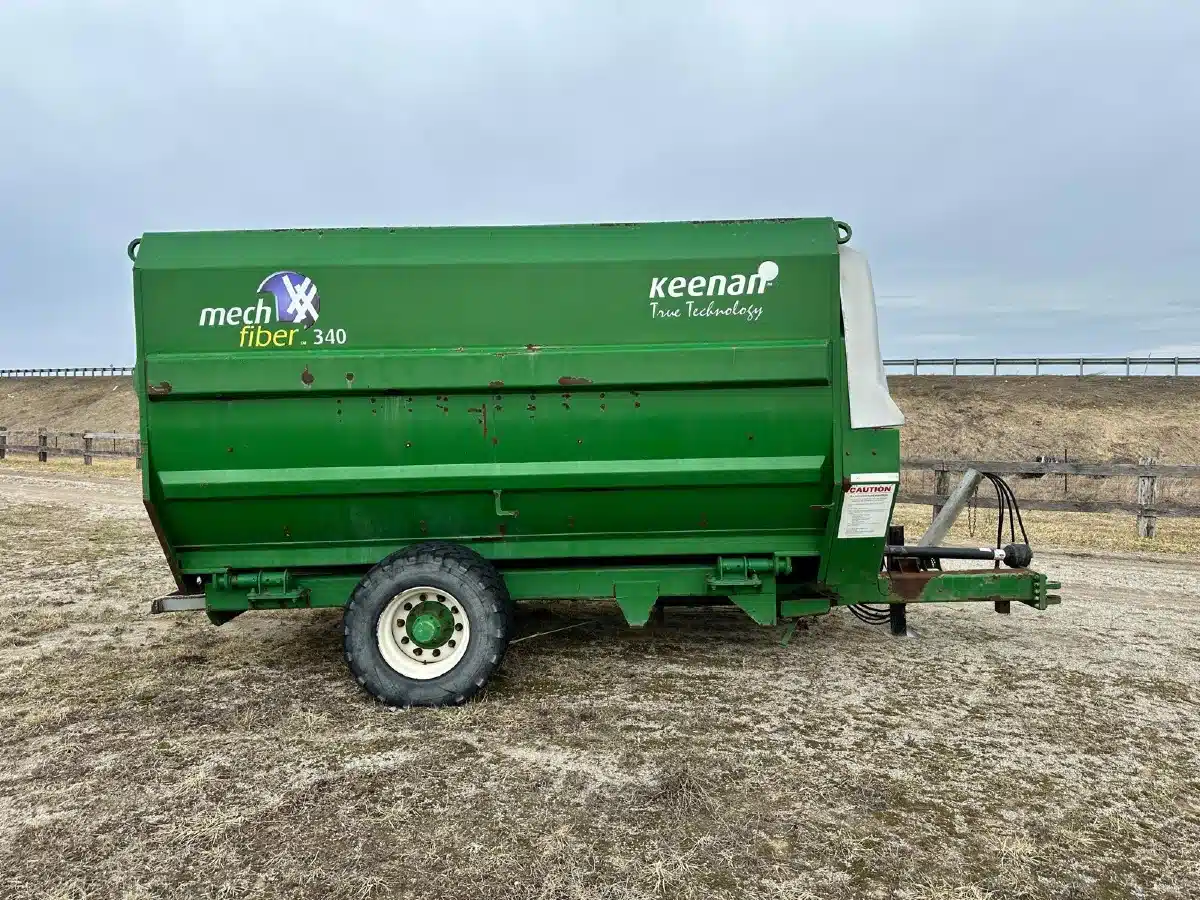
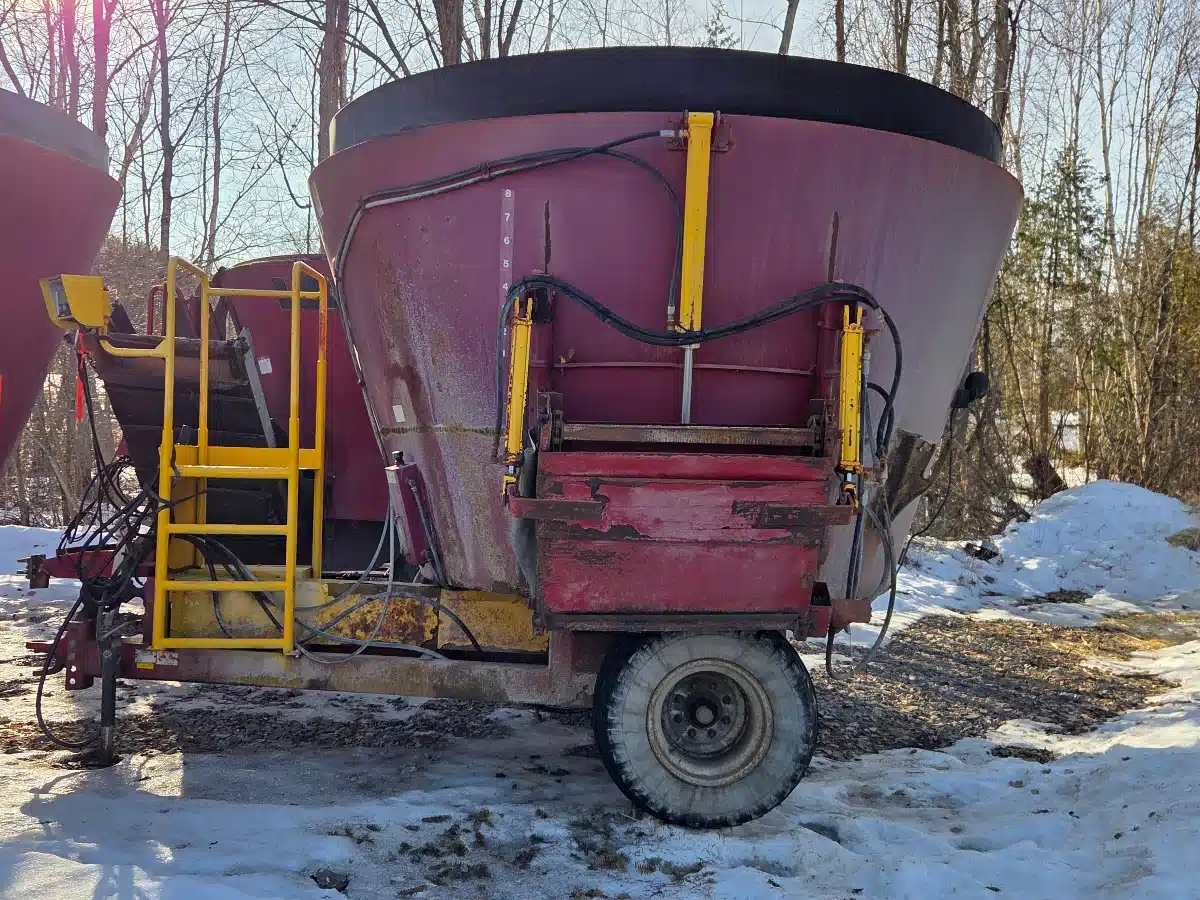
This process often brings the level of nitrates to acceptable safe limits, particularly in a TMR mixer. Note that the alternative of feeding whole high-nitrate bales alternated with low-nitrate bales is not recommended.
Last winter, I dealt with a 250-beef cow-calf operation that tested an overwinter supply of hailed alfalfa-grass hay bales that contained 0.70 per cent NO3 (on a dry matter intake (DMI) basis). In order to safely feed it, we diluted it down to under 0.5 per cent NO3 (on a DMI basis) by putting a reformulated TMR diet together.
TABLE: A ration formulated to reduce the impact of high-nitrate forages in a beef cow diet. Source: Peter Vitti
| Feed ingredient | Nitrate (pct) | Weight (kg) |
| Barley silage | 0.34 | 200 |
| Alfalfa-grass hay | 0.7 | 500 |
| Barley straw | 200 | |
| Distillers’ grains | 50 | |
| Beef premix | 50 | |
| TOTAL | 1000 |
Actual calculated NO3 level of this diet was 0.46 per cent (DMI basis). The producer fed this overwintering diet, when his cow herd was brought home in late October until the start of the calving season in February. Then a couple of pounds of barley were fed to each fresh cow. No problems associated with the nitrate-contaminated hay appeared.
This story is a good testimonial that feeding high-nitrate forages to overwintering beef cows can be done. This means suspect forages should be tested for nitrate content. If its nitrate content comes back and it cannot be safely fed, dilute it to a safe feeding level with low-nitrate forages in a well-balanced overwintering beef cow diet.