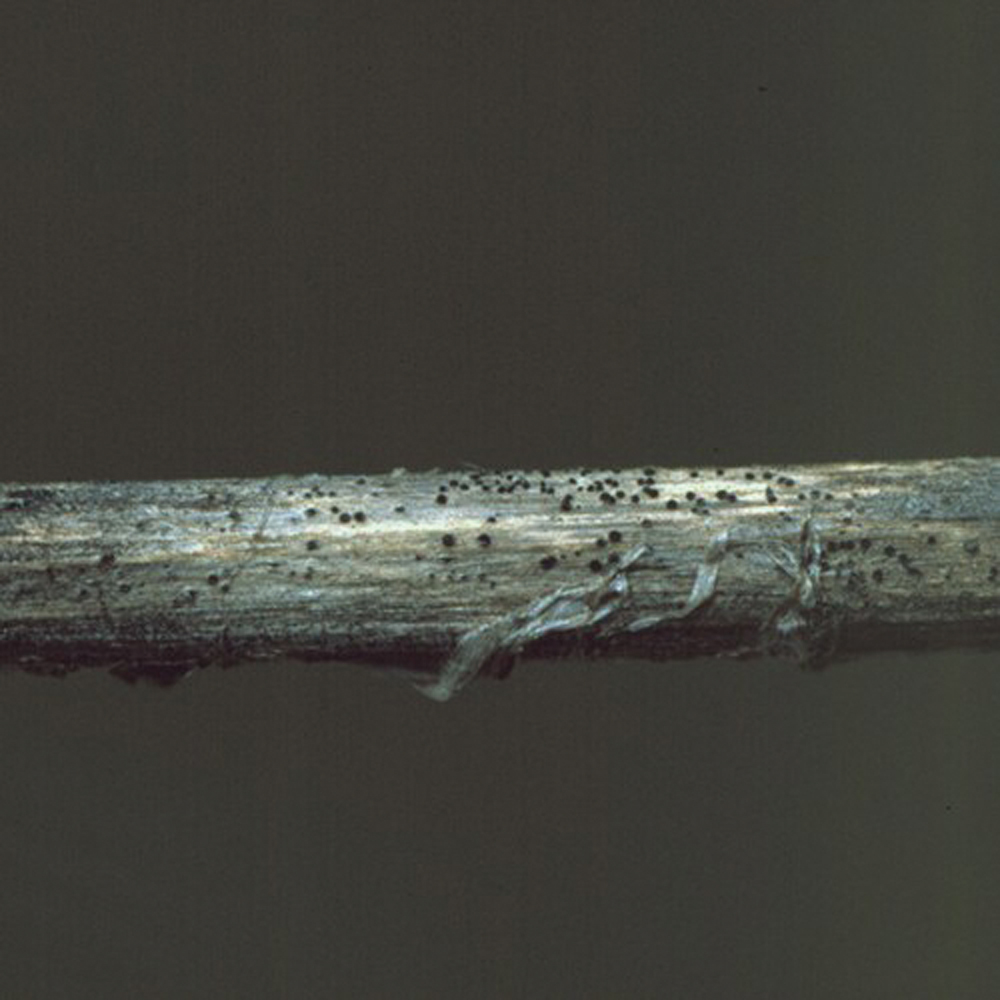
The Canola Council of Canada recommends blackleg scouting a week or two before straight cutting or swathing. Don’t wait more than a week after harvest, the Council advises, or plants may be too decomposed to pick out symptoms.
While scouting, pull plants and clip stems below ground level. Black discolouration in the stem’s cross section is a sign of blackleg. Rate the severity on a scale of zero to five. Zero means no discolouration. A two means 26 to 50 per cent of the cross section is discoloured. Five means blackleg has killed the plant and the stem is fully discoloured.
Read Also

Corn research looks for Manitoba-based weed control
Manitoba corn growers rely on U.S. or Ontario weed control recommendations. University of Manitoba researchers are developing weed control advice with Manitoba field conditions in mind.
Check a few sites in each field. Pull a few random plants at each site. If blackleg severity averages 1.5 or more, resistance is likely breaking down in that field.
If resistance is breaking, farmers should move to a one-in-four canola rotation, the Council states. Farmers can also use varieties known to have different blackleg resistance genes, the Council adds. Fungicides may have some yield benefit if resistance has eroded, the Council states in an April 2015 edition of CanolaWatch.
For more information on blackleg, visit www.canolawatch.org and search “blackleg.”