

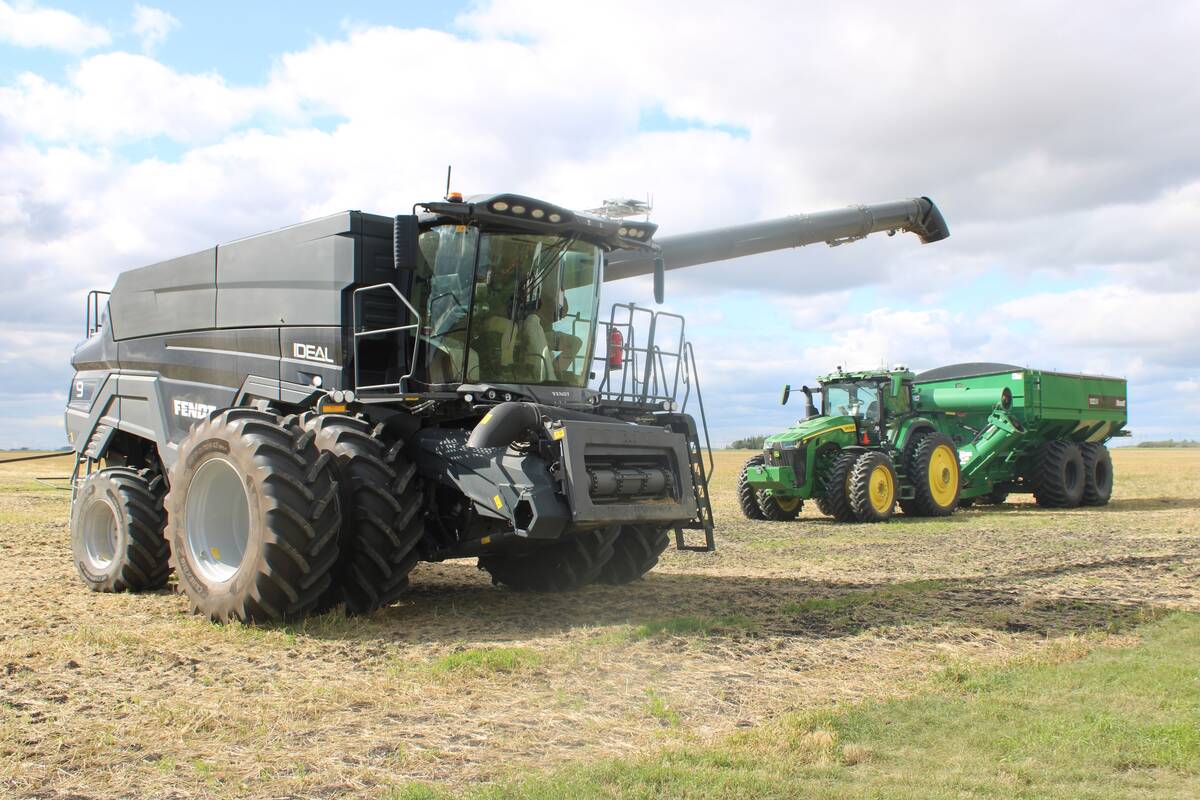
In its fourth quarter earnings call in early February, Agco executives made it clear North America was home to the company’s weakest global sales market, making it a money-losing region for the company.
“North American sales decreased by $33 million year over year, and operating margins remain below breakeven,” said Damon Audia, Agco’s senior vice-president and chief financial officer.
Agco experienced a nine per cent drop in sales in North America over 2025, one per cent less than the 10 per cent overall market decline. The company attributes that drop to farm income declines in the United States and tariff costs, which it expects will continue into 2026.
Read Also
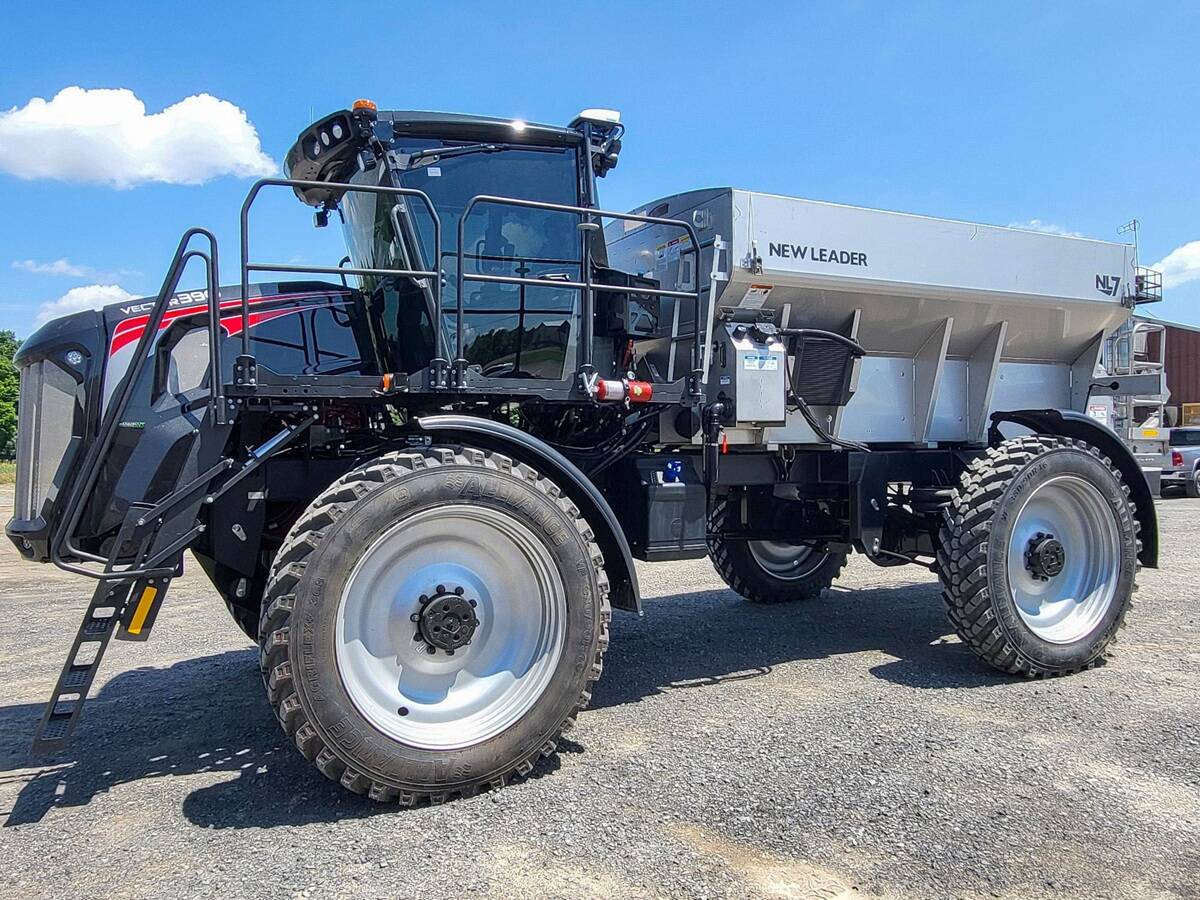
New Leader introduces ‘high-output’ NL710 nutrient applicator
New Leader Manufacturing’s new NL710 single-bin precision fertilizer spreader is billed as comparable to its dual-bin NL720 in productivity.
The company’s softer sales came largely from lower demand for sprayers and mid-range tractors.
“Farmers are delaying new equipment purchases due to elevated input costs and tighter profit margins,” said Audia.
“The U.S. government’s $12 billion farmer bridge assistance program has helped shore up farmers’ balance sheets but has not translated into new equipment purchases at this time.”
Less decline
While Agco’s financial statements pool all of North America into one market segment, sales reports from the Association of Equipment Manufacturers shows Canada had significantly less decline in tractor and combine sales than the U.S.
This means much of the North American market decline appears to be attributable primarily to reduced U.S. sales.
Other, stronger global market regions, however, helped push the company’s overall operating profit to an average 7.7 per cent for 2025.
“Our adjusted operating margins are among the best in Agco’s history and the strongest for this point in the (farm machinery sales) cycle,” said chief executive officer Eric Hansotia.
“We nearly doubled our adjusted operating margins from prior (demand) troughs.”
Because low North American demand, particularly in the U.S., is expected to continue through 2026, the company is planning to continue its reduced manufacturing output, hoping to lower machinery inventory here to a six-month supply.
“You’re going to see North America down in a loss margin in the high single, low double-digits for 2026,” said Audia.
“Europe should stay right around that 15 per cent (profit) margin for the full year.”
A big factor in that loss is tariff costs imposed by the U.S. government.
“The absolute tariff costs for 2026 will be around $105, $110 million,” he added. “That’s what’s compressing our year-over-year margins.”
Gains of other sorts
Despite that negative financial news from this side of the Atlantic, the company actually saw a gain in market share in North America, and executives expect another two to three per cent marketshare gain in 2026 as the company’s newest machines debut.
“Agco turned in the highest market share in our history in 2025” globally, Hansotia said.
“It was the largest one-year gain for market share in North America.”
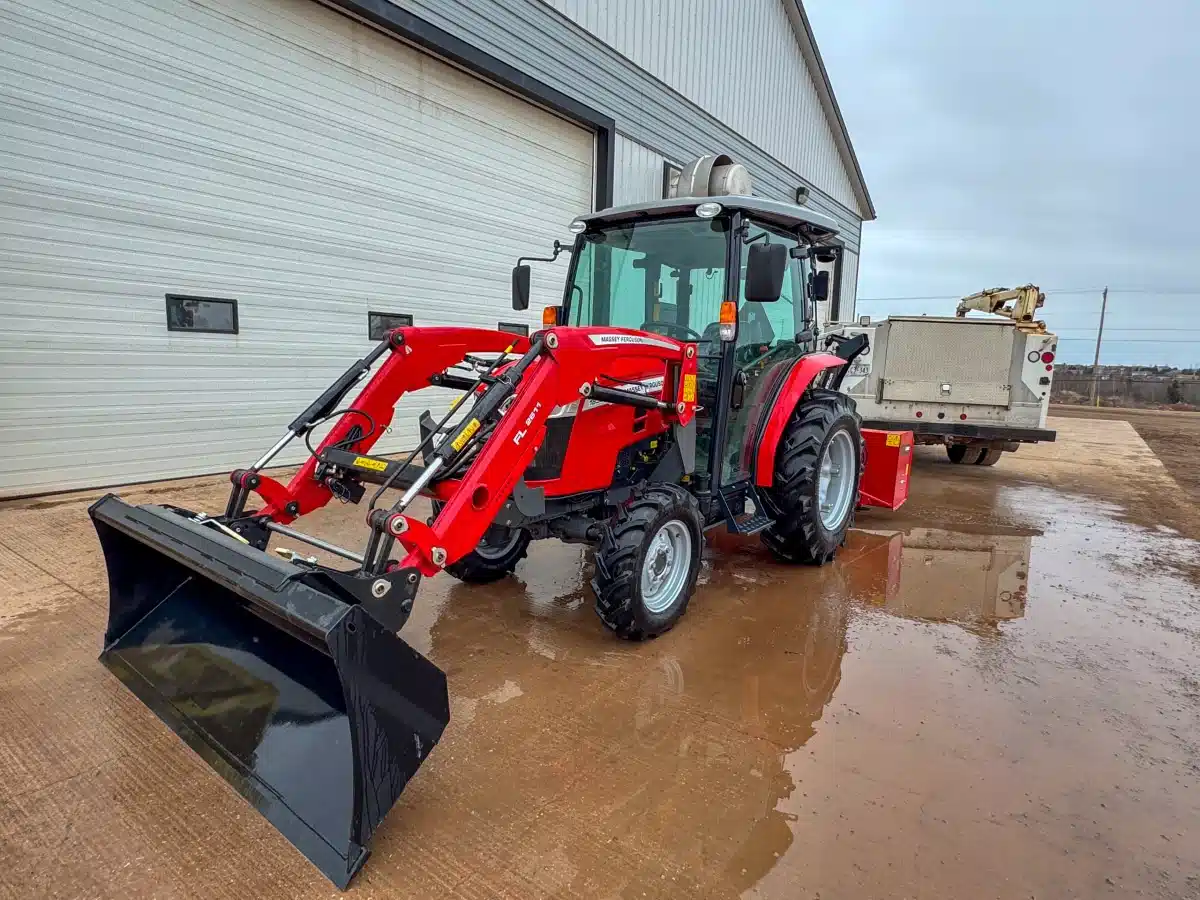
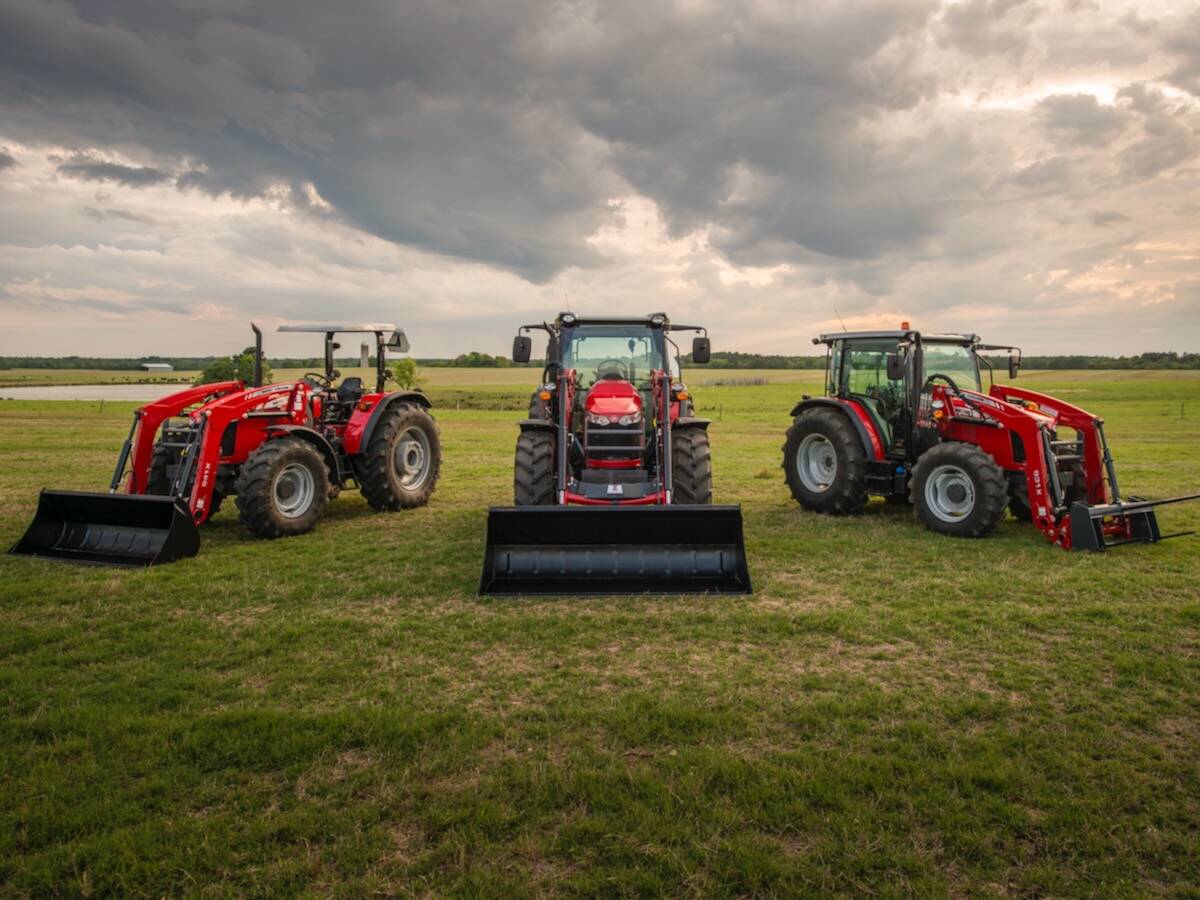
One North American segment that is likely to run counter to the declining sales trend is smaller tractors.
“The North American small tractor market offers a more positive counter balance as livestock and hay economics look comparatively resilient,” Audia said.
“And the older (farmer-owned) fleet points to emerging opportunities in 2026. We expect smaller tractors to be up modestly.”

Overall, though, the company expects large ag equipment sales numbers in North America to fall further, by as much as 15 per cent.
On the other side of the Pacific, Australia has seen gains for the company.
Europe, however, is likely to remain the brightest spot for Agco, with a possible five per cent sales increase expected due to solid farm incomes there causing positive sentiment among producers.
“Farmer sentiment (in Europe) is relatively positive,” said Hansotia.
“At Agritechnica, the feedback we were getting was more positive than we expected.”
While the company doesn’t expect the global machinery market to significantly improve this year, it should boost profit margins due to production cost reductions and overall total global sales stability outside of the U.S.
“We expect global industry demand to be relatively flat compared to 2025,” said Hansotia.