It’s been a pretty standard sight to see a prototype or concept machine at New Holland’s display every second year at the Agritechnica machinery show in Germany.
The last event was no exception. This time the brand created a one-off machine intended to highlight its Italian heritage.
“The driving force behind it was we were coming up to Agritechnica and we wanted to do a concept to celebrate our design and heritage and where we’re going as a company,” says Andrew Dunne, brand identity and product launches manager.
Read Also
New Holland expands Workmaster compact tractor lineup
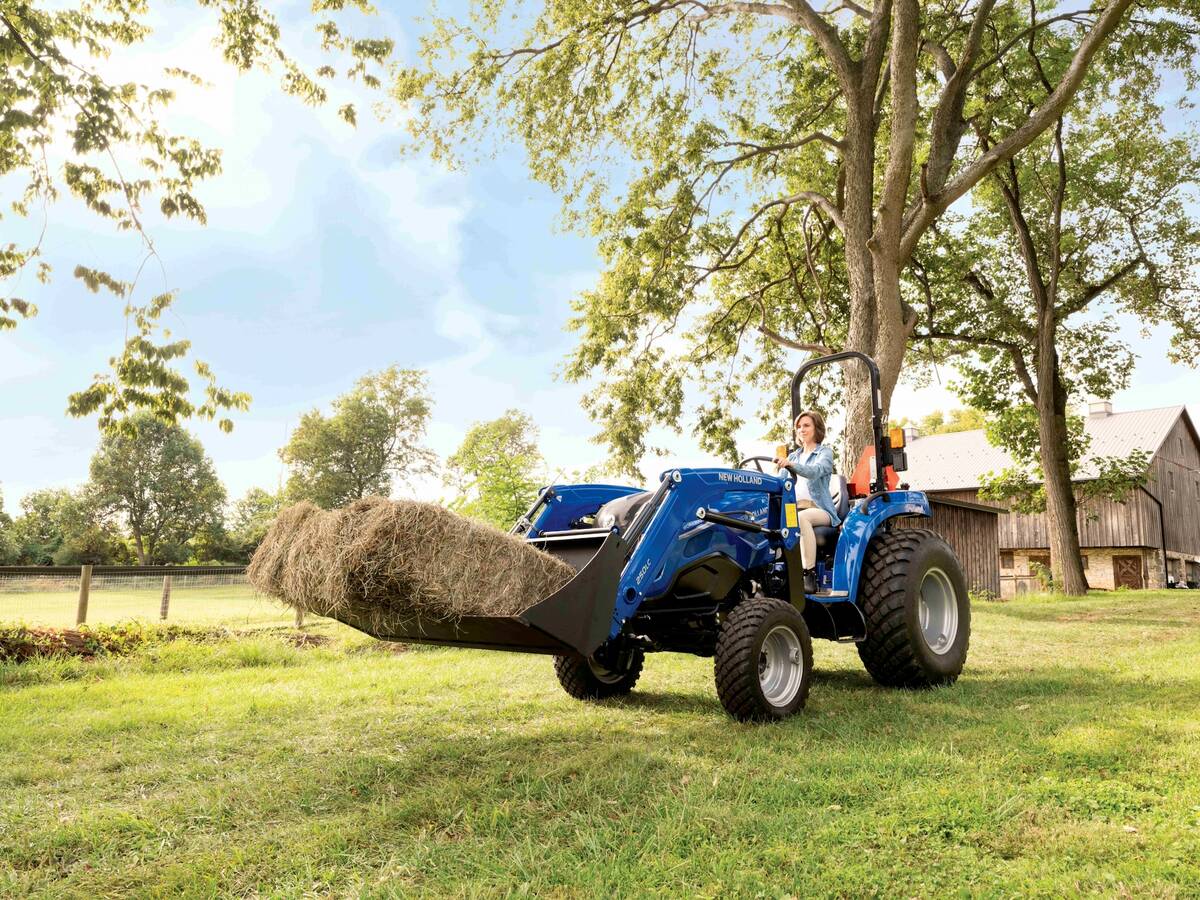
New Holland adds two new models to its Workmaster compact tractor lineup, the 35C and 40C. Also: Case IH debuts its new Farmall 35A and 40A tractors.
WHY IT MATTERS: “Concept” designs such as these can be a bellwether of where farm machinery is headed in both form and function.
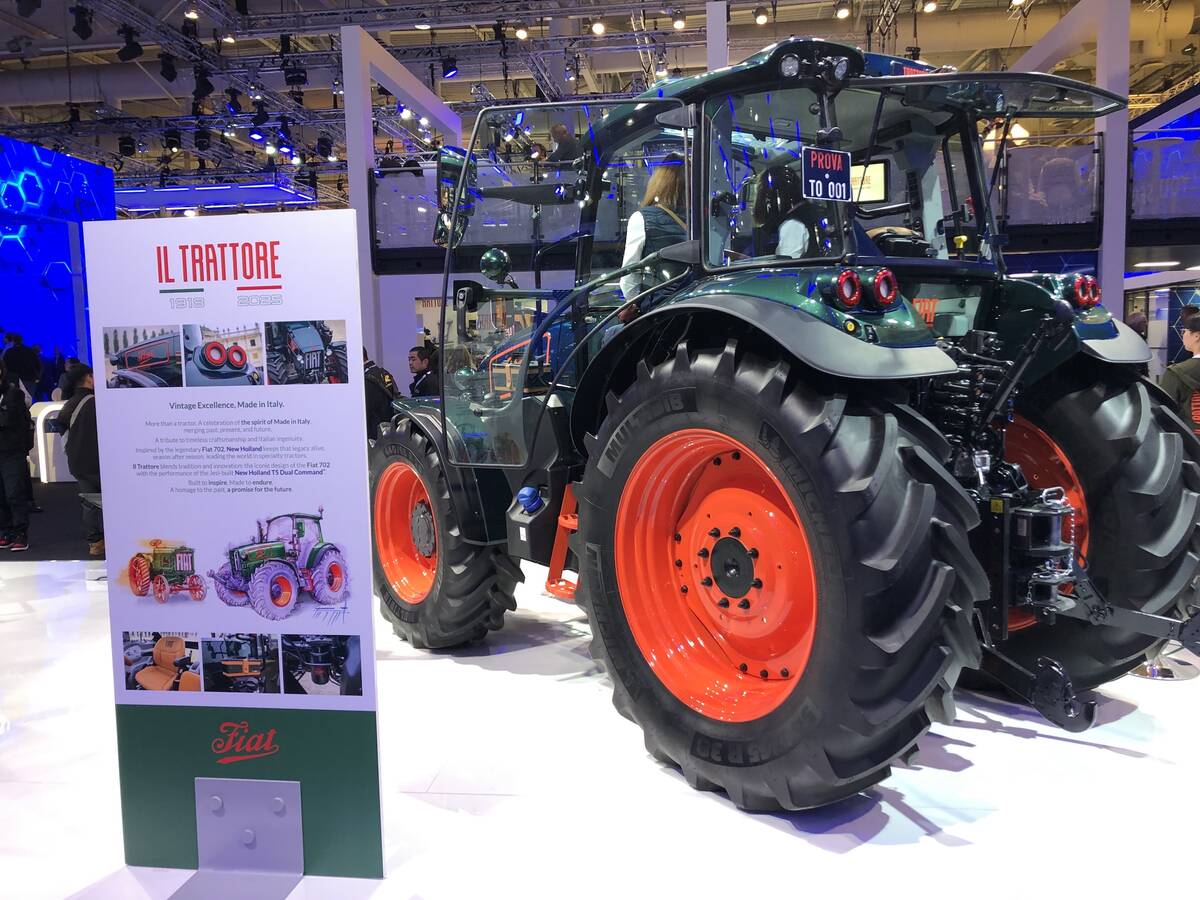
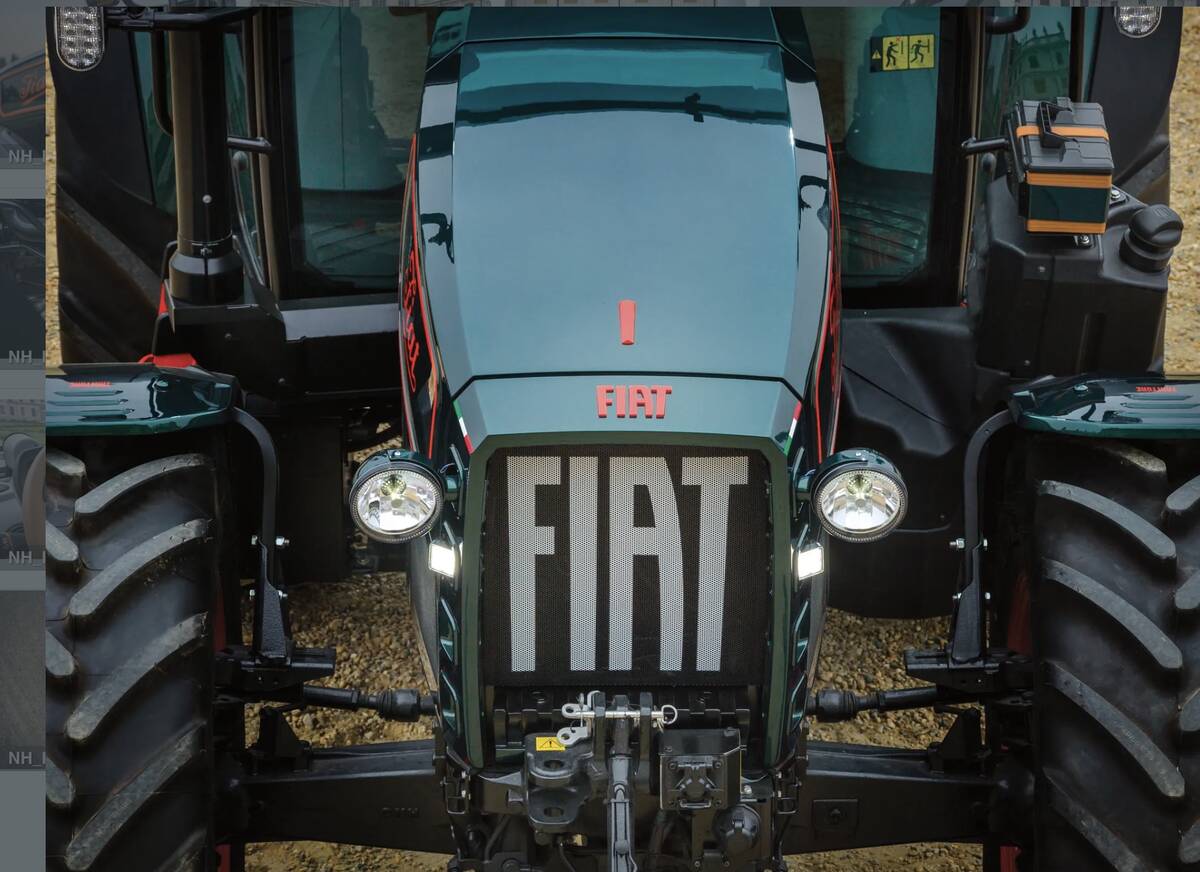
Built on a standard production T5 chassis, theT5.120 Il Trattore concept tractor takes its inspiration from the first production Fiat tractor to be built in Italy. In 1991, Fiat took over the Ford New Holland brand and eventually adopted the New Holland name for all its models.
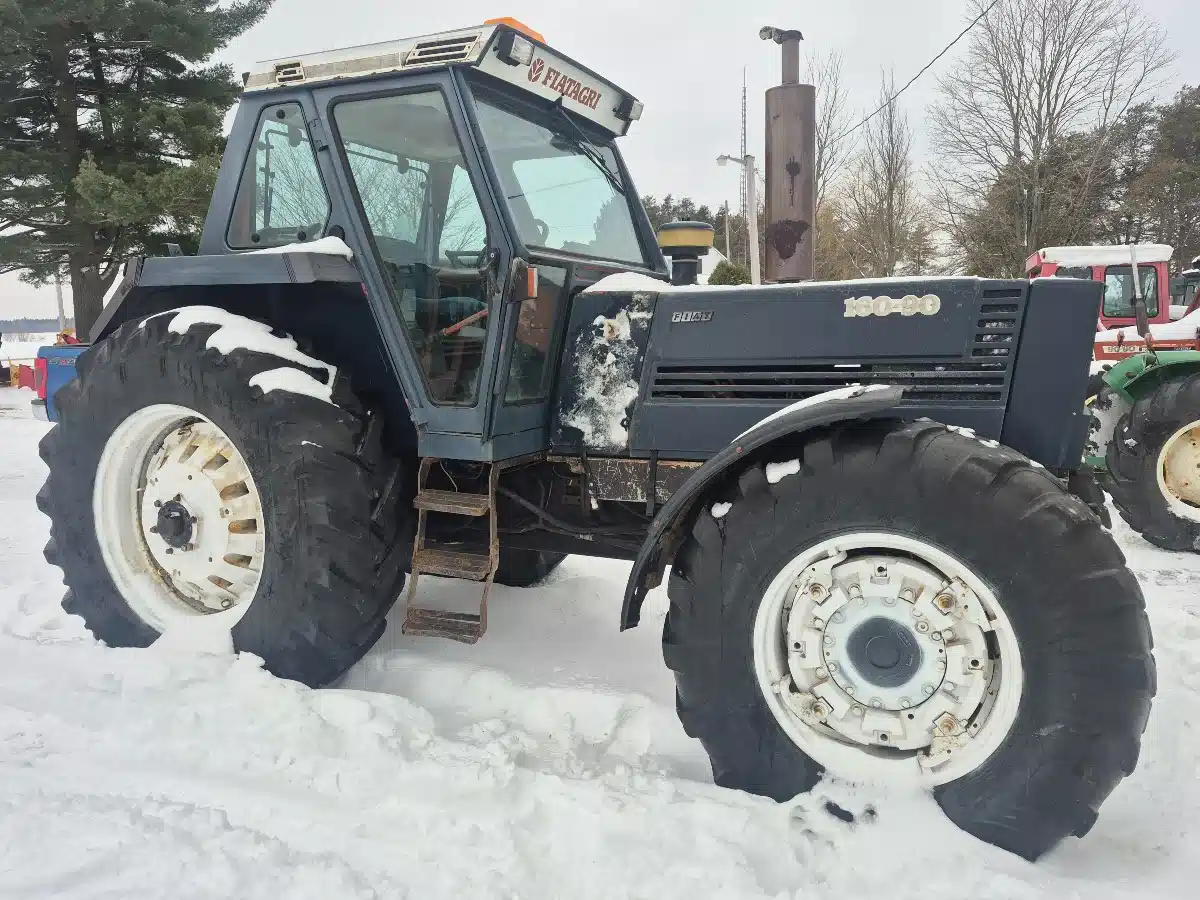
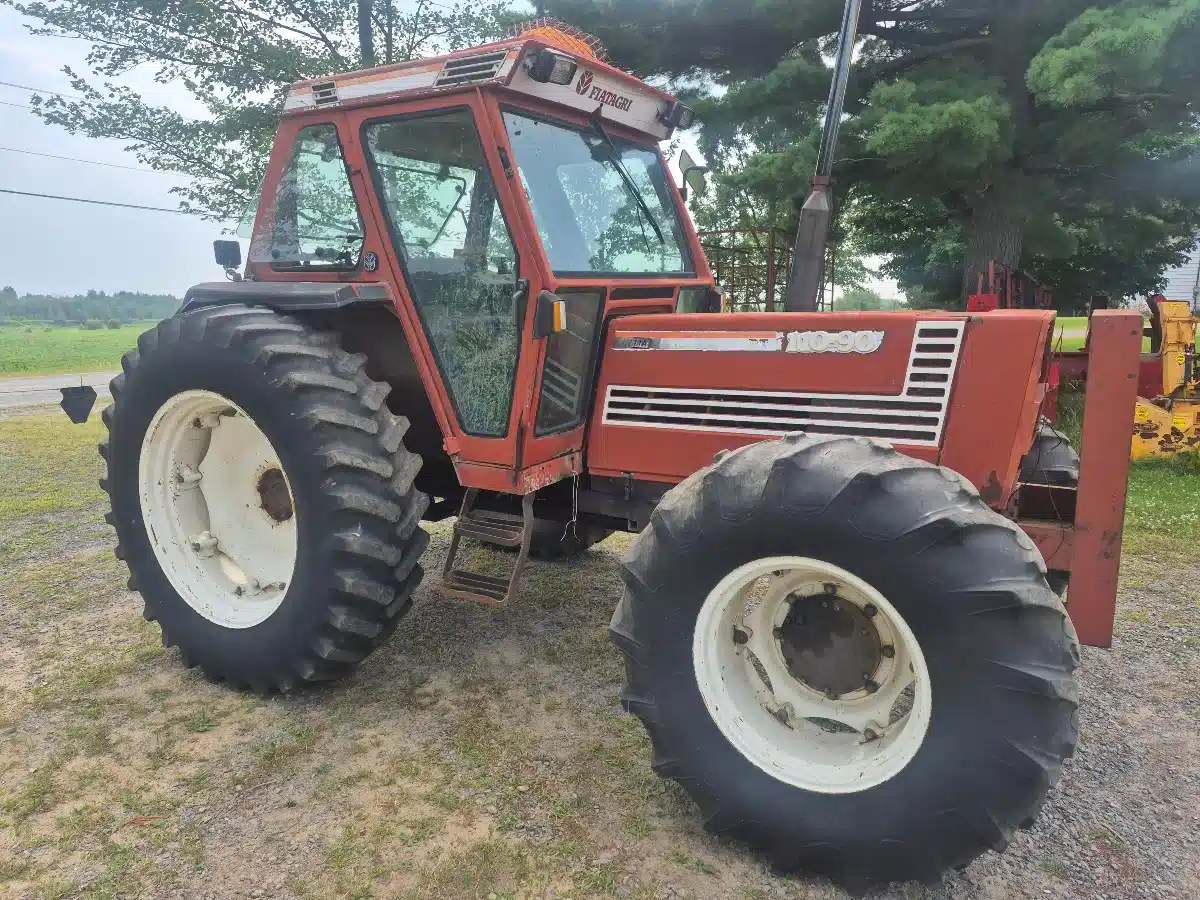
Here in North America, Fiat-built tractors have appeared over the years wearing Allis-Chalmers and Hesston name badges, as well as White Farm Equipment and its subsidiary brands.
“We looked back at the original 702 Fiat tractor and we took that as a benchmark,” says Dunne.
“We took the utility tractor today that is built in Jesi (NH’s assembly plant in Italy) as well and decided to style it, to give it a modern twist harkening back to the original heritage.
“The colour scheme was inspired by the original tractor, but we went for a modern twist with a darker metallic, slightly premium colour. We used the original red-orange colour on the wheels.”
Callback to a classic
A restored 1918 702 Fiat tractor was displayed alongside the Il Trattore concept model at Agritechnica.
Originally developed to address the labour shortages in Europe created by the First World War, the original Fiat 702 introduced a design that became a staple in agricultural tractor production.
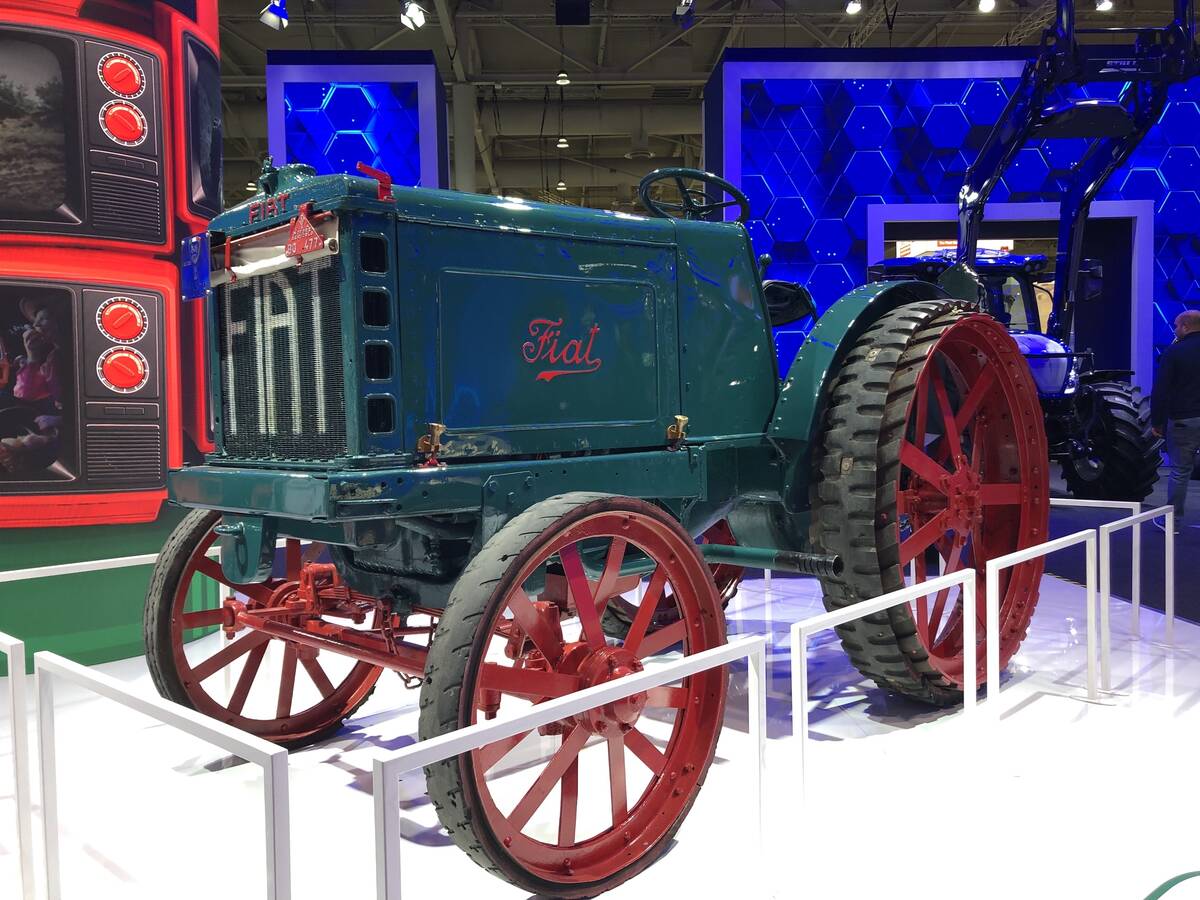
It debuted a four-cylinder engine and load-bearing powertrain as a chassis, an idea that was also adopted in the original Fordson tractor design, which made its commercial introduction in 1917.
The 702’s success helped establish Fiat’s reputation in agricultural equipment, one of a few Italian companies that were early innovators with their designs. The first modern production front-wheel assist tractor was introduced in Italy by the SAME-brand tractor manufacturer.
The Il Trattore project came together quickly, says Dunne.
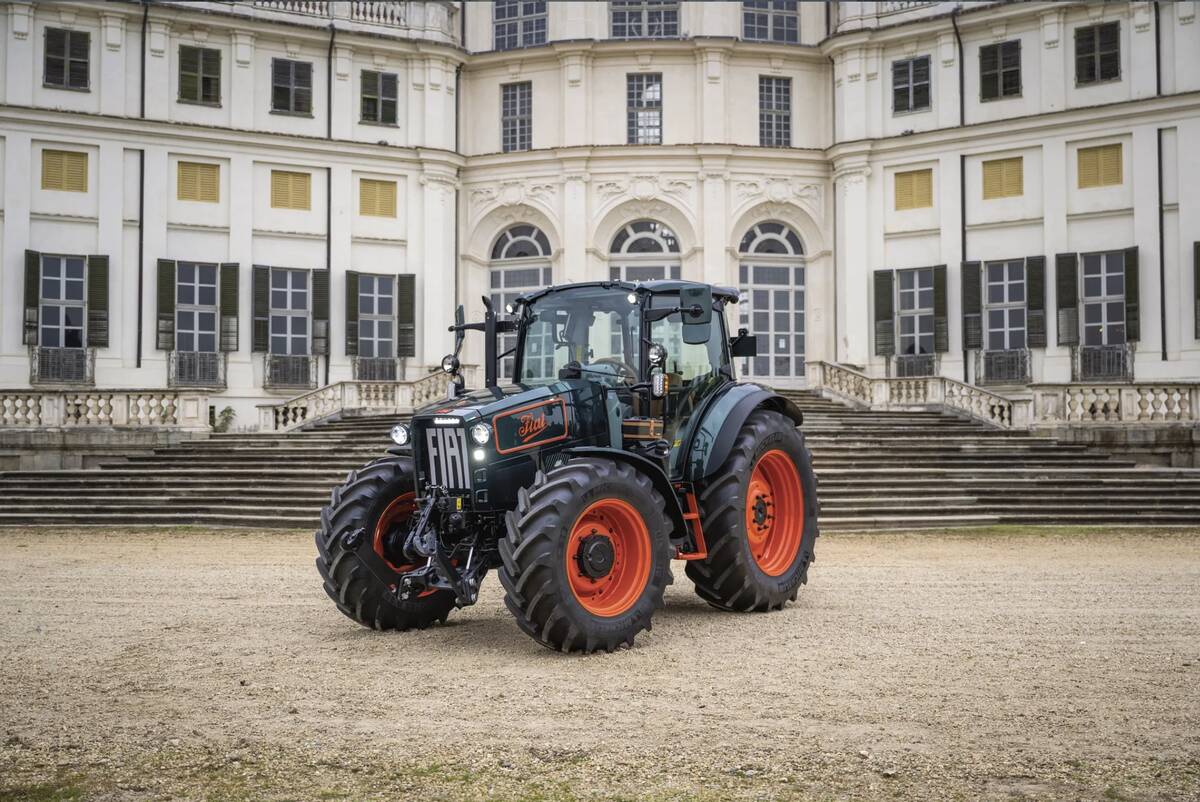
“It was a very, very fast project. I would say we started six months before the show. It was a very small group of people. The original idea came from our CEO, Garret Marx.”
Marx was inspired by a 702 that was on display at the company’s Turin headquarters. An in-house design team came up with the modern look for the concept tractor.
Special styling
Aside from its unique body style, the Il Trattore features a number of special touches.
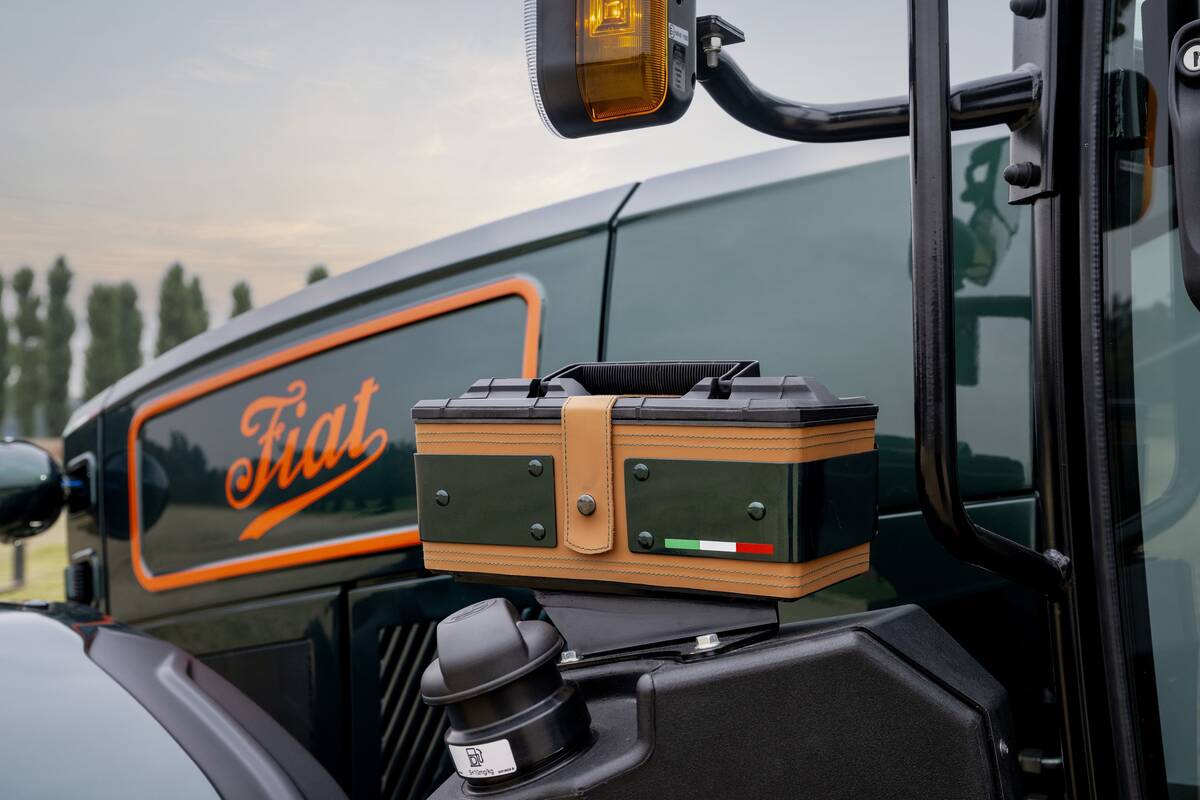
“We took the toolbox that was standard on the (T5) tractor and covered it in leather and colour-coded it as well so it matched the tractor,” says Dunne.
That’s reminiscent of an idea that Mercedes Benz introduced, including matching leather luggage with its iconic 300SL Gull Wing car model in the 1950s.
“At New Holland, we do care about how things look and the style of them,” Dunne says.
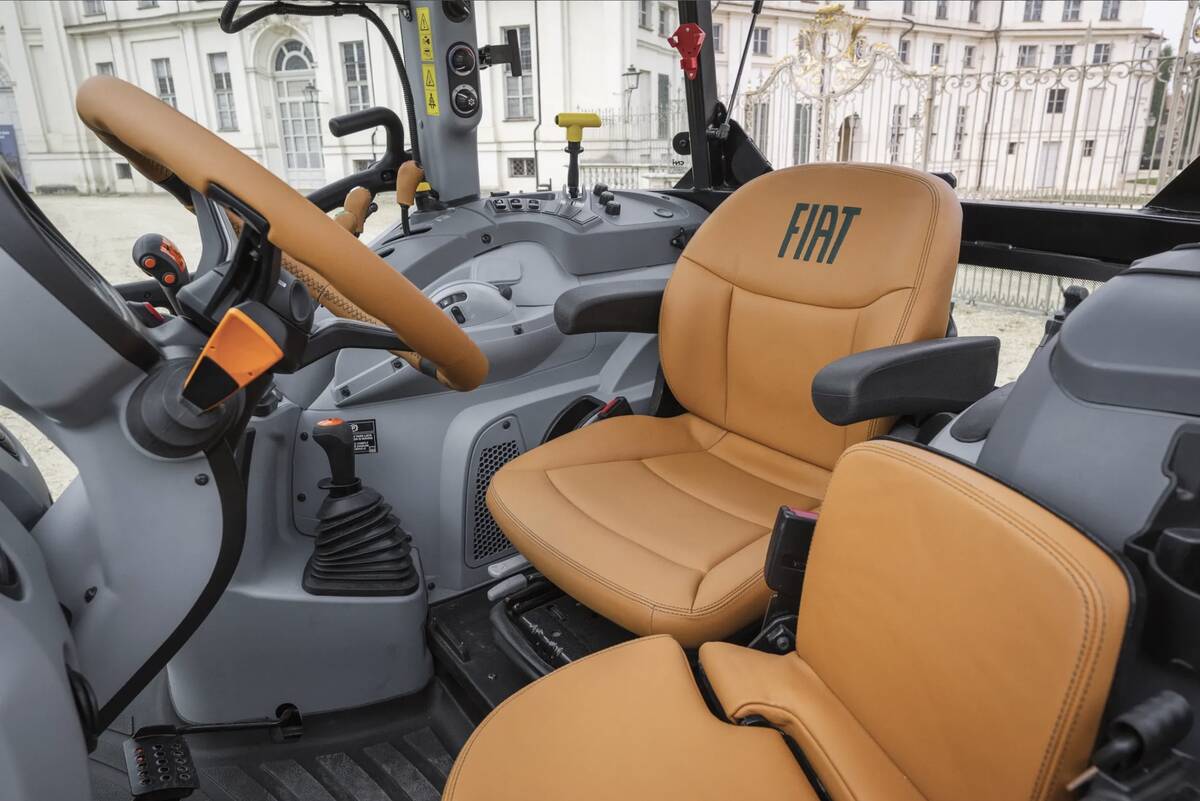
“We like to do these concepts. We like to present ourselves as a stylish modern brand.”
The tractor garnered a lot of attention at the German show, attracting almost as much media attention as the new production models on display.
It’s now back in Italy at the Jesi plant, on display for visitors to the factory. From there, the company isn’t certain what the future holds in store for it.
“Maybe we’ll bring the tractor to EIMA because it’s a home show in Italy,” says Dunne.
“After that, we don’t know. There’s some talk of it going to a museum in Turin, which is a Fiat historical museum. It’s not out of the question that maybe we’ll auction it off.”