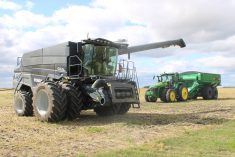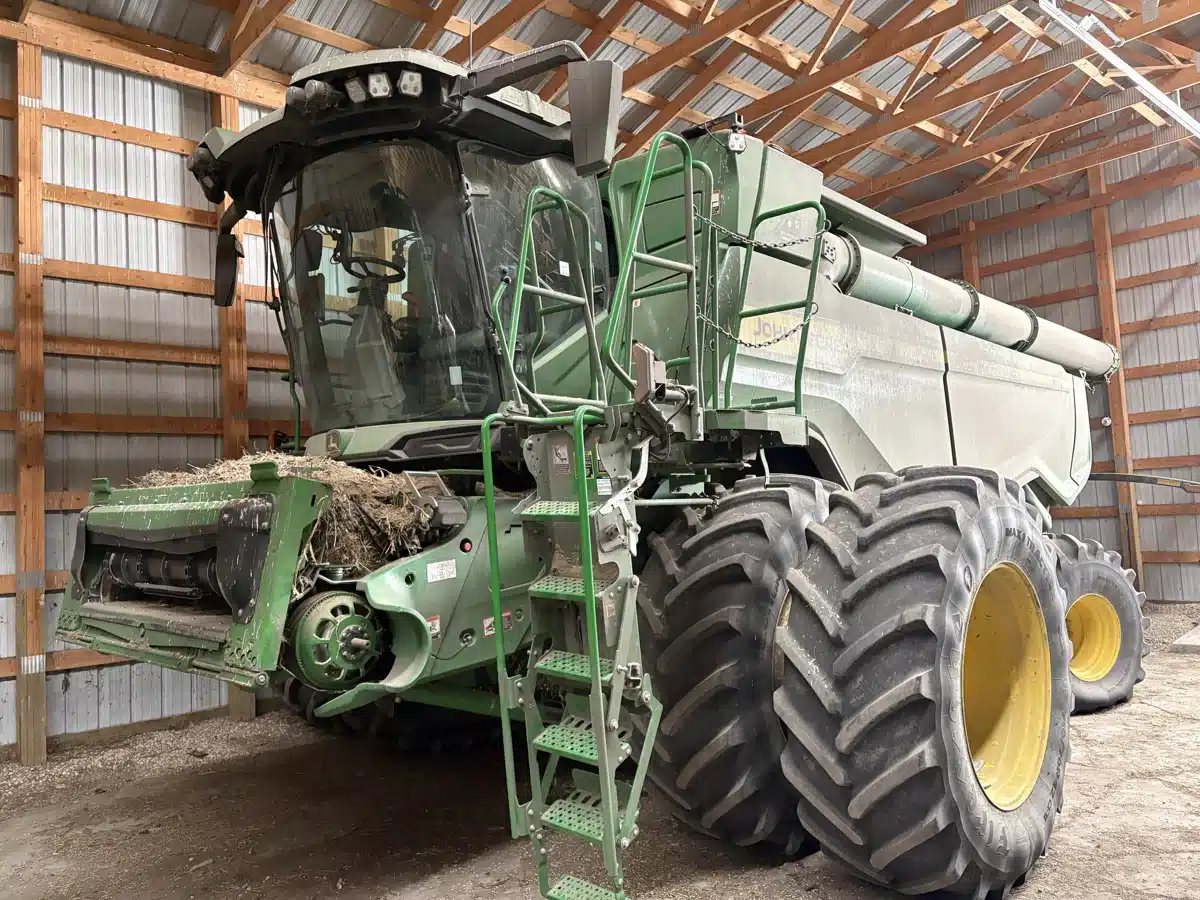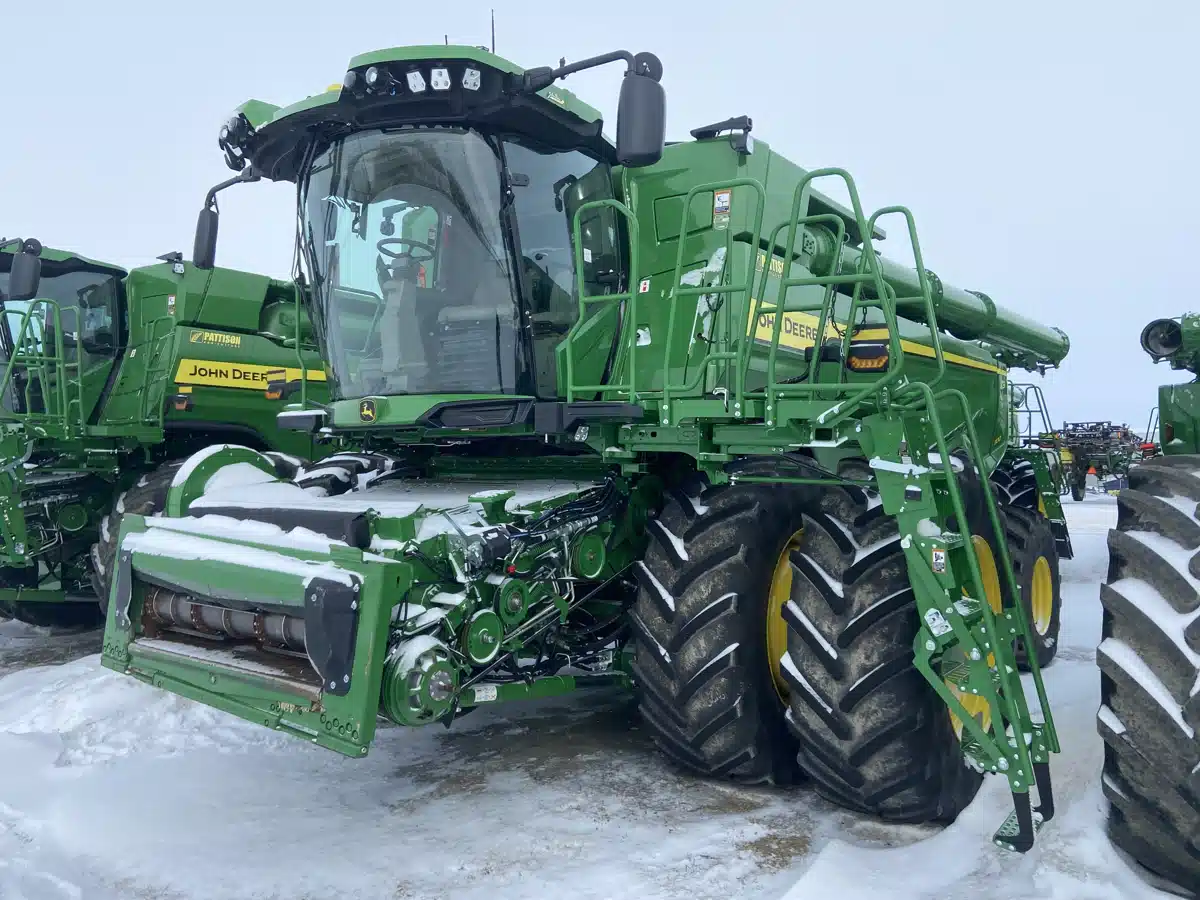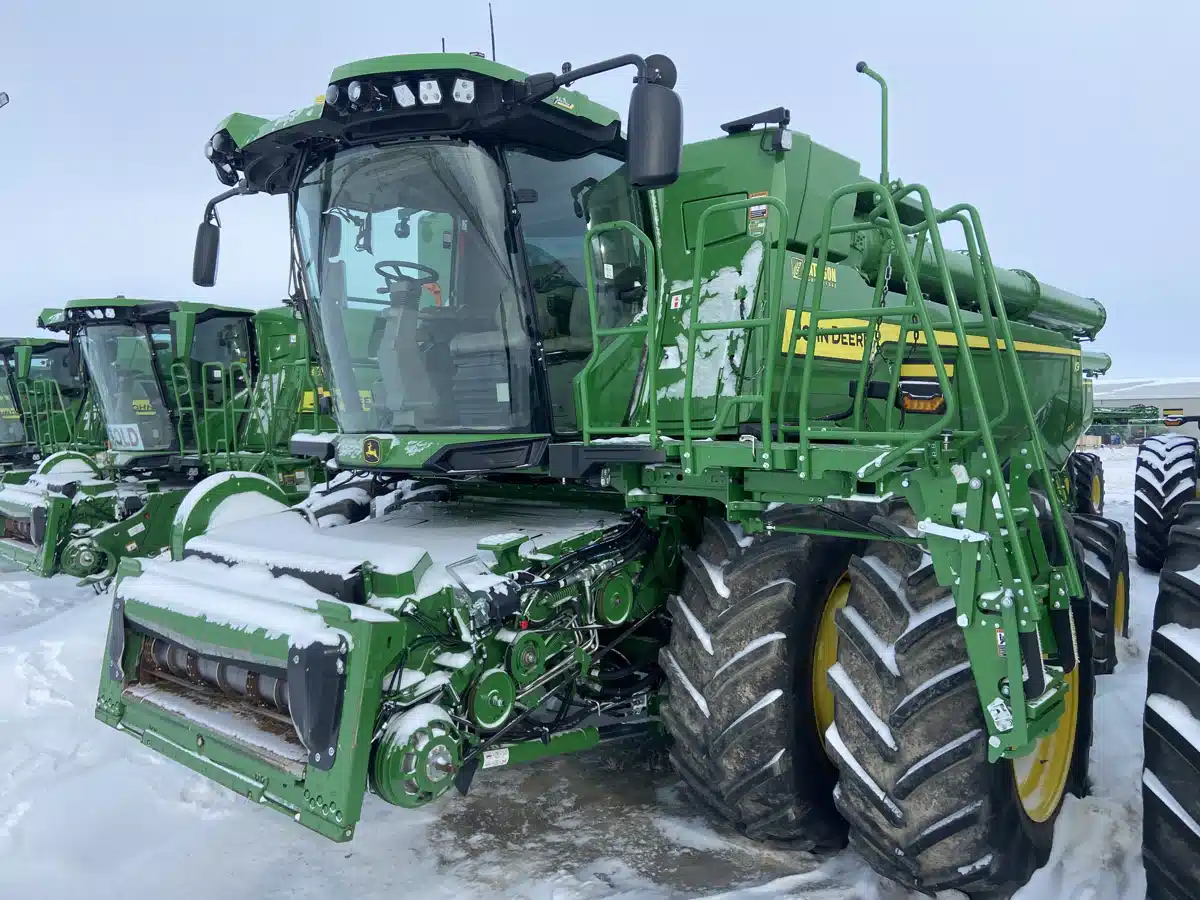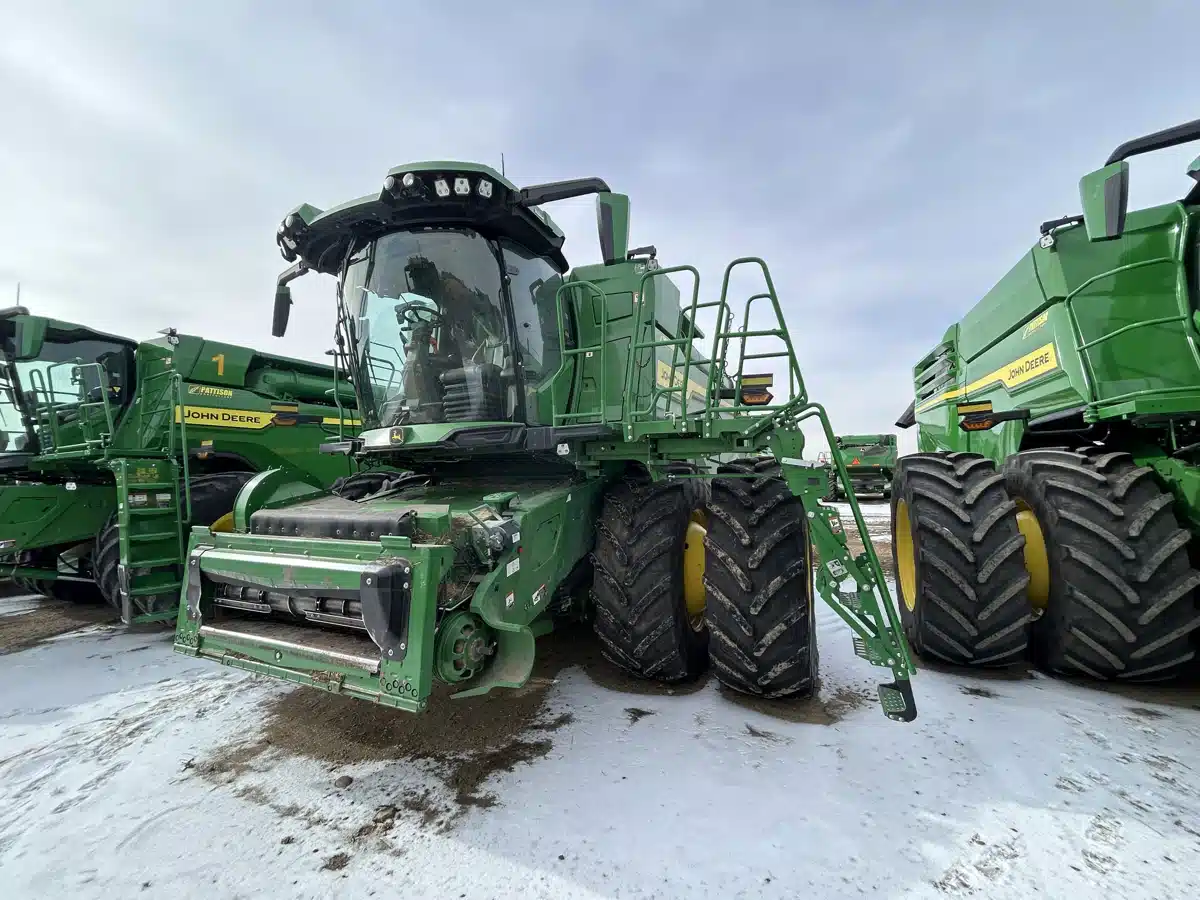


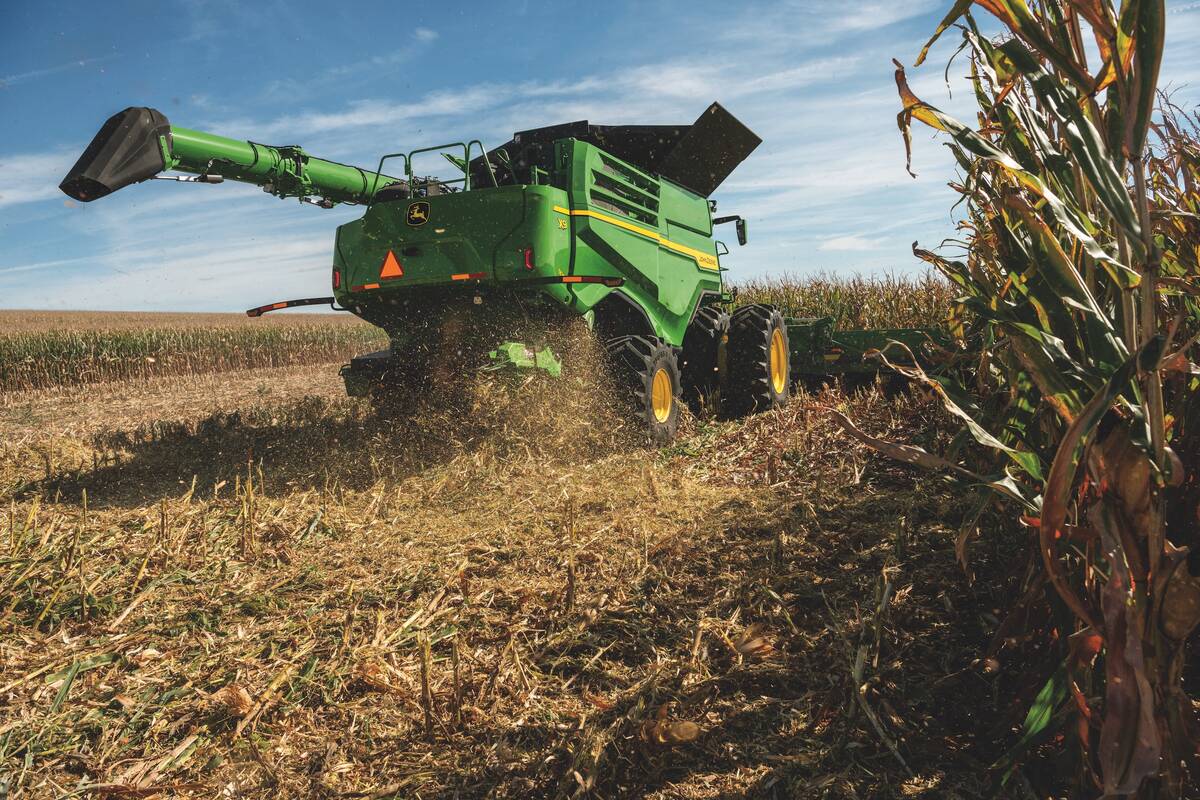
The 2027 model year will see the debut of several new features for John Deere’s line of combines, particularly the X9.
The Harvest Settings Automation feature, which the brand introduced on previous model year machines, and which optimizes thresher settings, gets an enhancement for 2027. It will now be able to work with lentils, peas, rye, triticale, oats and sunflowers.
“We’re really expanding our automation capabilities,” says Brady Alley, combine marketing manager.
“We have six additional crops that are comparable with our Harvest Settings Automation. “
The Predictive Ground Speed Automation feature that debuted on 2025 models also gets enhancements.
A new update uses enhanced processing power and a trained algorithm to accurately detect green crops within an otherwise-mature stand. Green Crop Detection allows Predictive Ground Speed Automation to adjust the combine’s ground speed in response to a wider range of crop conditions.
“Predictive Ground Speed Automation, those are the cameras that look ahead and also satellite maps, is expanding the performance in different conditions,” says Alley.
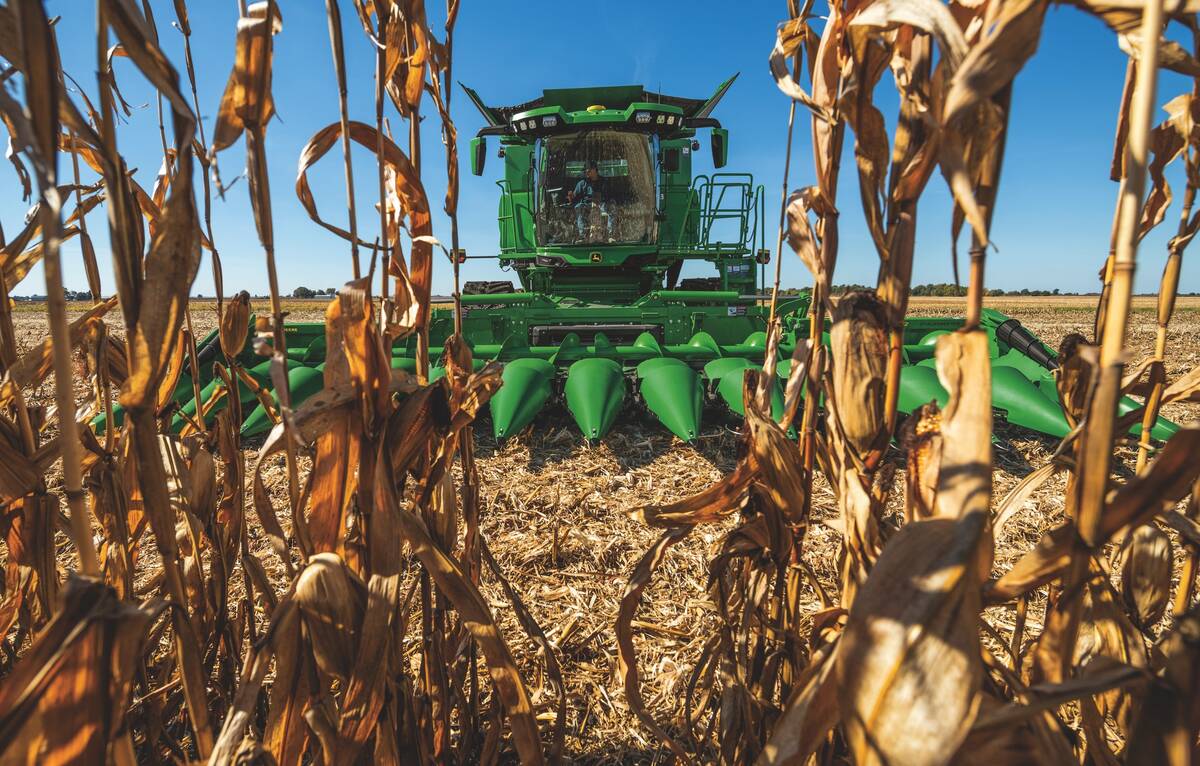
“Adding green crop detection is one of the biggest things, detecting wet patches or green stems on wheat and making sure we’re slowing down to be able to process that increased biomass and moisture.”
New half-length concaves now allow for modular installation and better durability and are compatible with model year 2027 X9s. The new cradle also enables factory installation of the remote, from-the-cab, controlled concave and separator grate covers.
RELATED: Check out John Deere X9 Combines for Sale on AgDealer.com
“With the Tru-Thresh family of concaves, we have what we call a half-length design,” Alley says.
Read Also
Croptimistic’s SWAT Cam maps one million acres in Western Canada
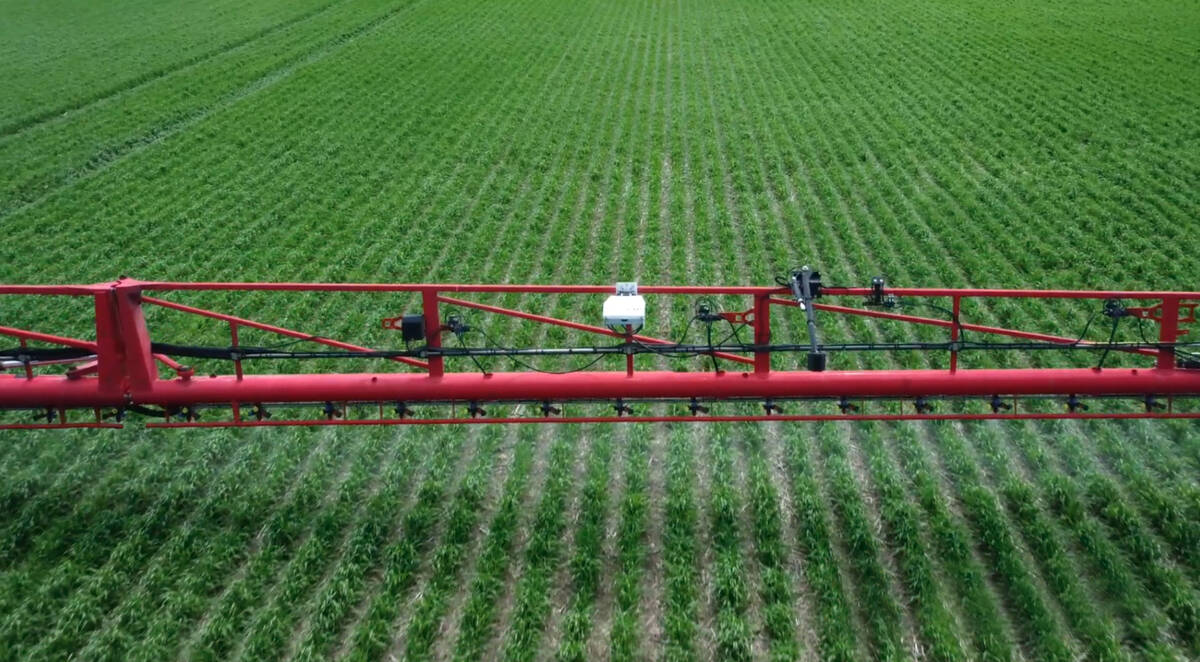
Croptimistic’s SWAT Cam has mapped more than one million acres, using sprayer-mounted cameras to generate crop and weed maps that support in-season analysis and future management decisions.
“There’s a new carrier. Instead of a full U-shape, now we have two half sections. That will allow us to be more modular with our setup.
“If you think about getting unthreshed wheat or white caps into my sample, that’s an indication I want to keep that material in the rotor for another revolution. So with remote concave covers, I can close covers on the first, second or both sections of the rotor so I can hold that material in. On the separator grates, we also have covers as well.”
Choices for Tru-Thresh concaves include a high-moisture configuration with an angle bar at the intersection of both rotors and round bars for the rest of the section. There is also a multi-crop with angle bars, large wires and small wires, as well as the standard setup Deere has offered previously.
“The benefit is you can really tailor it to the conditions you’re seeing,” says Alley.
To help with initial setup for attaching headers across the full combine fleet, there is a new initial settings feature, which acts as a starting point to fine-tune the configuration for the crop and field conditions.
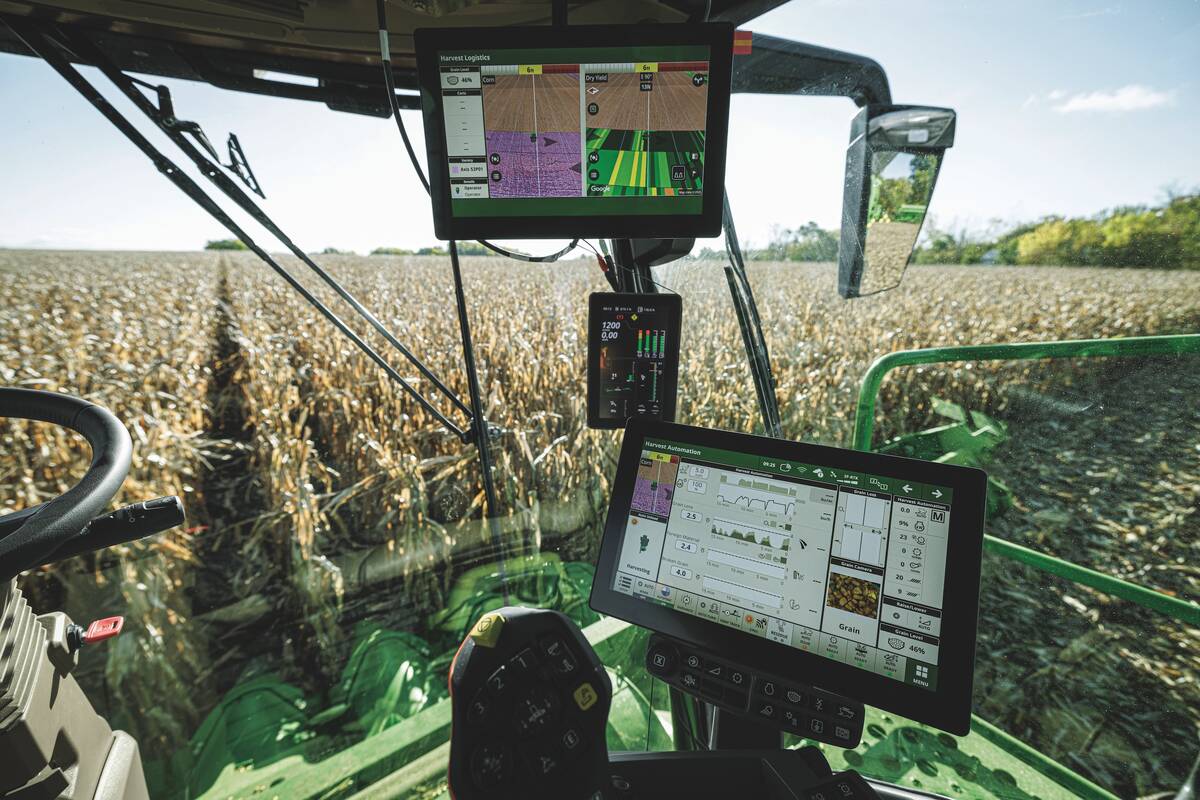
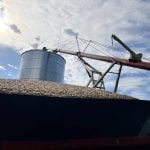
X9s also get a bigger 550-bushel grain tank and 35-foot unloading auger.
And for those that want to install a HarvestLab 3000, there is no longer any need to cut a hole in the side of combine. New X9s will get small, removable access panels for quick installation.
“Just take a couple of bolts out and pop those off to put the sensor on and leverage the benefits of HarvestLab 3000,” says Alley.
“We’re calling it HarvestLab-ready. It will be available on all X9s.”
As with so much of Deere’s equipment offerings, the main takeaway for 2027 is that high-end technology keeps getting more sophisticated, making it easier for inexperienced operators to do a first-class job bringing in the harvest.
“The message we want to emphasize, especially with our technology features, is our commitment to getting better over time … expanding the automation capabilities to more crop types and conditions,” says Alley.