

John Deere has named five companies to its 2026 Startup Collaborator Program, part of a corporate development initiative aimed at exploring emerging technologies in sensing, analytics and robotics.
Launched in 2019, the program pairs Deere with hand-selected startups for year-long, project-based collaborations designed to test how emerging technologies perform in agricultural and construction use cases. It is not primarily an acquisition or investment vehicle.
“We’ve intentionally designed it that way,” said Colton Salyards, who manages the program within Deere’s corporate development and strategy group.
Read Also
War hits farm equipment makers’ share prices
There could be a very rocky road ahead for the U.S. economy, and valuations of U.S.-based corporations, such as major equipment makers, could continue to take a beating, Scott Garvey writes.
“The program was never designed to be an investment or an acquisition vehicle.”
WHY IT MATTERS: Emerging sensing and AI technologies could eventually improve soil analysis, equipment uptime and precision decision-making on farms.
Instead, Deere and each startup define a joint project, outlining objectives on both sides and evaluating how a given technology might perform in agricultural or construction use cases.
With the addition of this year’s five companies, Deere will have worked with 42 startups through the program.
Each year, Salyards said, public announcements of the cohort generate significant inbound interest from startups hoping to participate. The response can be “overwhelming,” but the companies selected stand out.
“There’s a key reason why we’ve selected them,” he said.
“There are use cases across agriculture that we believe could be of tremendous customer value.”
Sensor sensibility
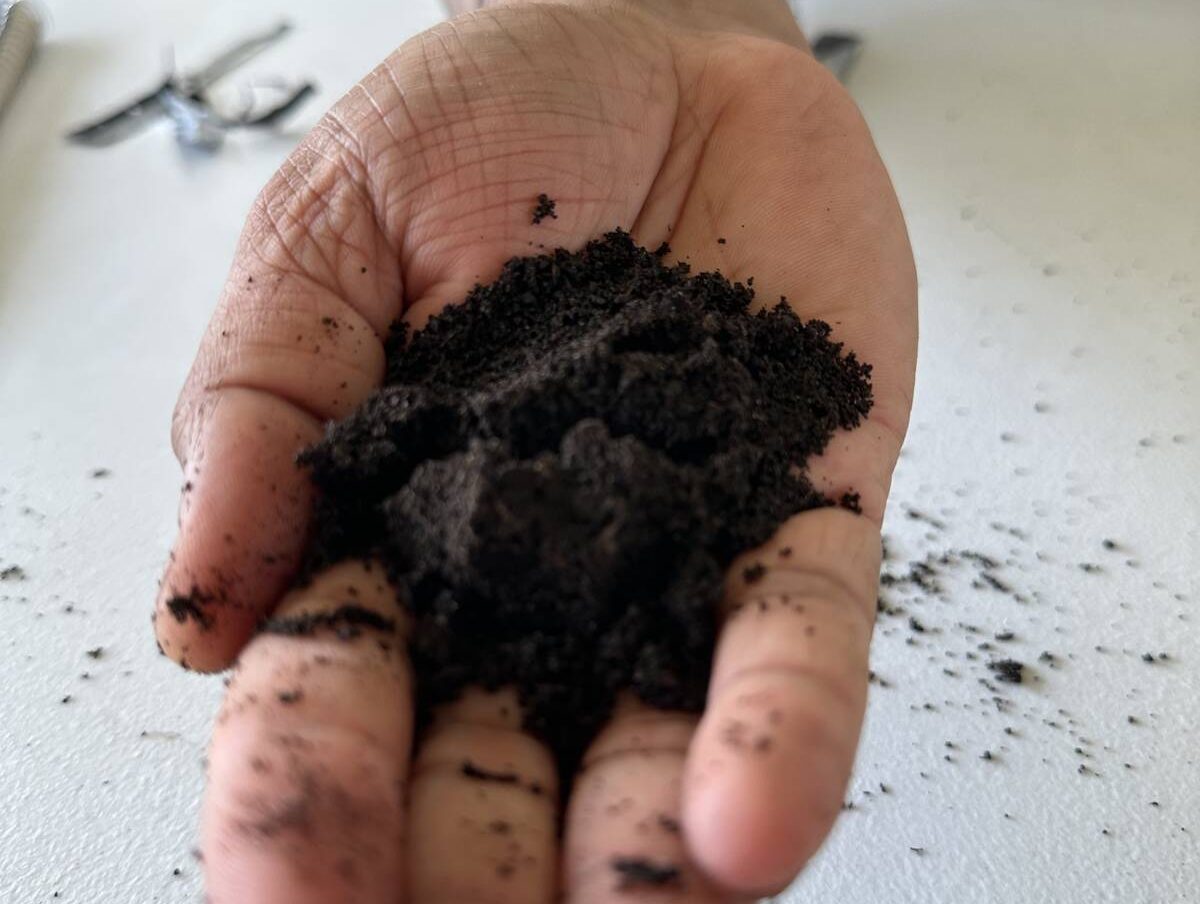
Among the 2026 cohort is Australian firm resonAg, which is adapting miniaturized MRI-based sensing technology — technology originally developed for medical imaging, and later adapted for industries such as mining and oil and gas — for use in advanced soil sensing.
Deere is exploring how that sensing capability could support precision agriculture applications.
“This is of huge importance for precision agriculture,” he said.
“Imagine a planting system that can sense and act in real time to conditions across the field.”
Another company, AIRS ML, is developing edge-AI systems that combine machine sensor data with on-device machine learning to predict equipment failures in real time. The goal is to improve uptime by identifying potential maintenance issues before they lead to breakdowns.

The remaining companies in the cohort include:
- IoTag, which focuses on telematics and mixed-fleet performance insights.
- TorqueAGI, which is developing AI foundation models for robotics.
- Aerobotics, which applies drone imagery and computer vision to specialty crop production.
While not designed as an acquisition vehicle, the program has, in two instances, led to investment or acquisition when the strategic fit aligned. Salyards emphasized that integration into Deere equipment is not the default outcome.
“This is one vehicle among many that we use to understand what innovative companies are out there,” he said.
“Ultimately, it helps us determine how well those technologies could fit for our ag and construction customers.”