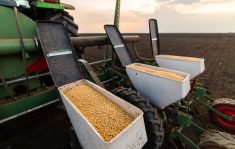
Grain handler Viterra plans to spend $24 million building a high-throughput terminal to meet rising demand in northern Alberta’s grain-growing Peace River region.
The concrete-and-steel terminal on the CN rail line at Sexsmith, about 18 km north of Grande Prairie, will feature 30,000 tonnes of grain storage capacity and capability to load 104 railcars.
“The upswing in commodity prices has provided an incentive for farmers to convert forage and pasture land back into grain production,” Viterra CEO Mayo Schmidt said of the company’s confidence in future grain production in the Peace.
Read Also
CBOT Weekly: USDA predicts declines in planting intentions
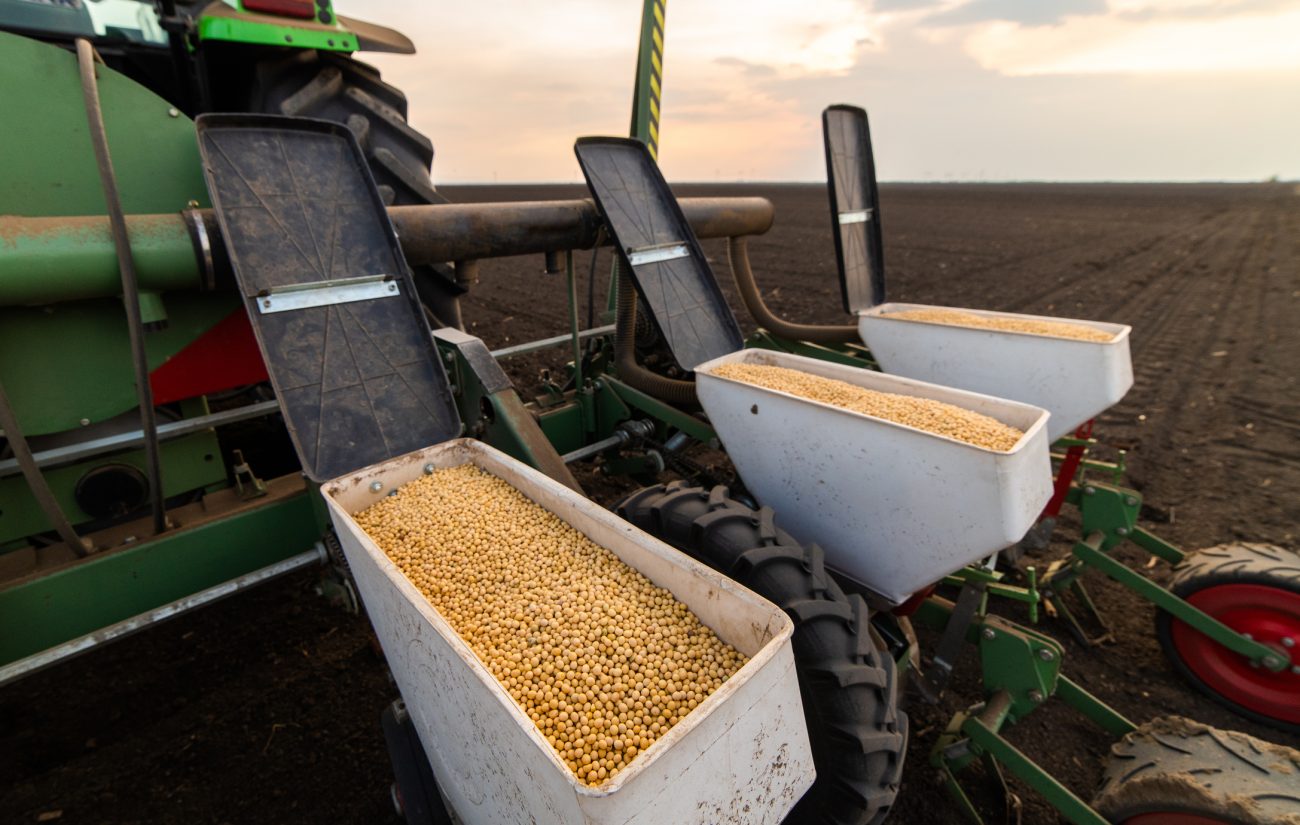
Declines in projected planting intentions for 2026/27 were not as big as the market expected, after the United States Department of Agriculture released its estimates on March 31. The USDA also issued its quarterly grain stocks report with stocks for soybeans bigger than anticipated, while those for corn were smaller and wheat virtually matched the average trade guess.
“The new terminal will complement our crop input network in the region, offering farmers premium products including fertilizer, seed, equipment and crop protection products,” Schmidt said in a release Tuesday.
However, the company noted it also has “future plans” to set up an ag input retail site at the new Sexsmith facility.
Site work for the Sexsmith grain terminal is expected to start this fall with construction expected to follow in the spring of 2009 and grain deliveries by August 2010, the company said. The new terminal is expected to employ about nine full-time staff.
Schmidt called the Sexsmith project “another example of Viterra’s commitment to driving excellence in Canada’s transportation supply chain.”
“By maximizing the percentage of shipments in full trains we can increase overall system capacity and reduce costs for farmers, end users, railways and Viterra,” he said.