

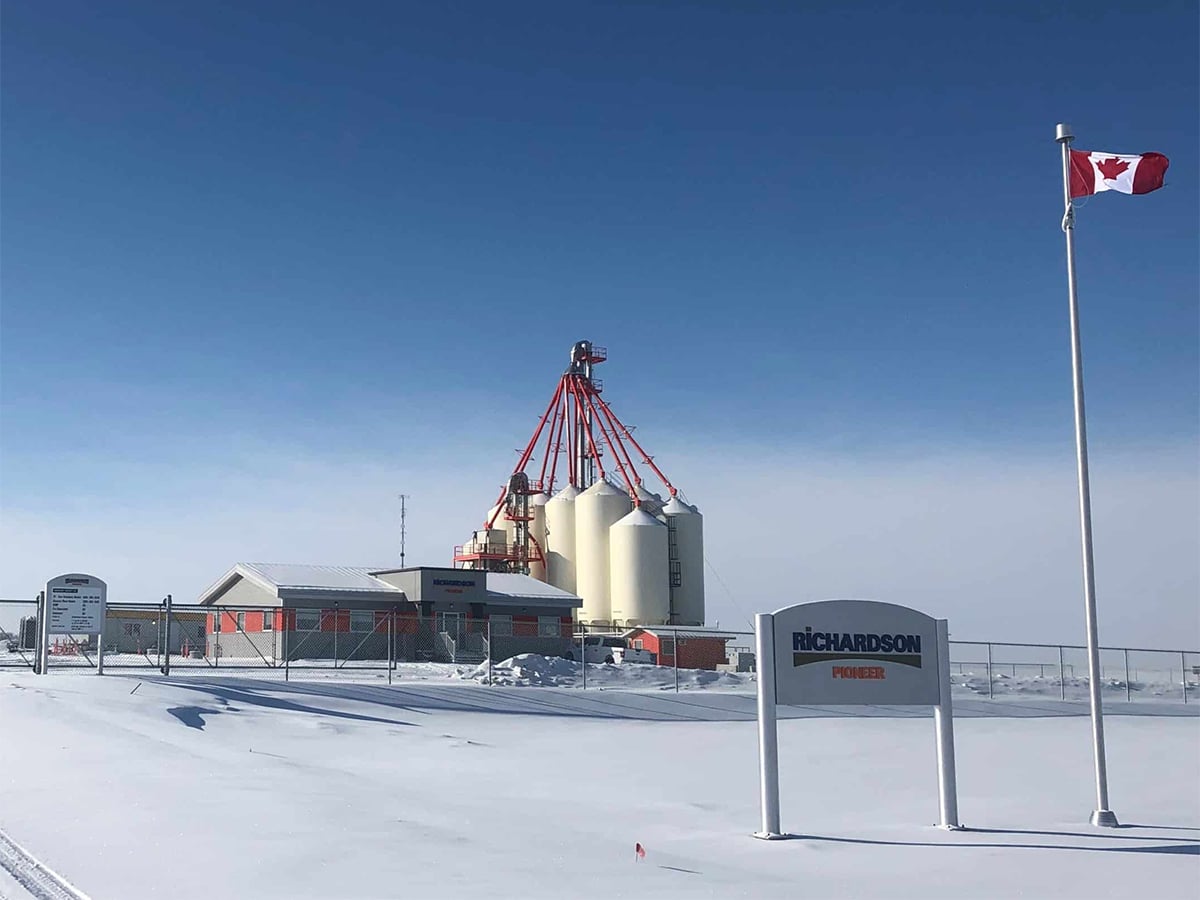
Glacier FarmMedia — Richardson International is back in the fold at the Canola Council of Canada.
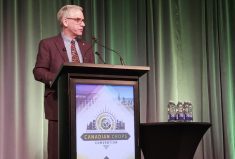
The grain company rejoined the organization at its March 12 annual general meeting after nearly a nine-year hiatus.
“Richardson is a significant player in the industry in a number of different capacities, including as an exporter and processor, so it’s great to have them around the table as a member of the council,” said council president Chris Davison.
Richardson withdrew its funding from the canola council, the Flax Council of Canada and Soy Canada at the end of 2017.
Read Also
ICE Weekly: Canola to stay elevated as war persists
Canola prices will stay elevated as long as there is conflict in the Middle East, said a Winnipeg-based analyst.
It had been spending more than $1 million per year funding the three organizations.
“We don’t think we got the value out of it,” Jean-Marc Ruest, Richardson’s senior vice-president of corporate affairs, said at the time.
Davison said the council maintained a working relationship with Richardson over the ensuing years.
Recently he discussed the council’s updated priorities with the grain company.
“That led to a decision from them to rejoin the council as a regular member,” he said.
WHY IT MATTERS: Richardson was the only major grain company that was not a member of the council.
He doesn’t know what tipped the scale.
“That’s a question you might have to ask them,” said Davison.
“I think it’s more than one thing.”
Richardson was contacted for this story but did not reply in time to meet The Western Producer’s publication deadline.
One of Richardson’s original concerns surrounded the council’s extensive work on agronomy when the private sector had its own agronomists working in the countryside.
The council seemingly addressed that concern when it announced a “refreshed” strategic framework on July 31, 2025.
In that announcement, the organization said it would no longer maintain a field-based agronomy team.
Davison said the council will instead focus on maintaining or enhancing the ability to innovate, promoting canola’s role in biofuel, ensuring market access for canola products and conducting targeted market development around the world.
Exporters and processors provided $1.33 million, or 36 per cent, of the council’s core funding in 2025.
That compares to $1.55 million contributed by provincial grower groups, $750,000 from life science companies and $21,000 from affiliate memberships.
Davison would not divulge how much Richardson would be paying in 2026.
“We don’t talk about the amounts that individual organizations contribute,” he said.
However, he noted that it will be helpful to have the grain company back in the fold when it comes to tackling priorities and co-ordinating and aligning activities.
“The more of the industry that we have represented at the table the better that is,” said Davison.
Aaron Anderson of Richardson is one of three new directors for 2026-27. He will be a director-at-large nominated by the council’s board.