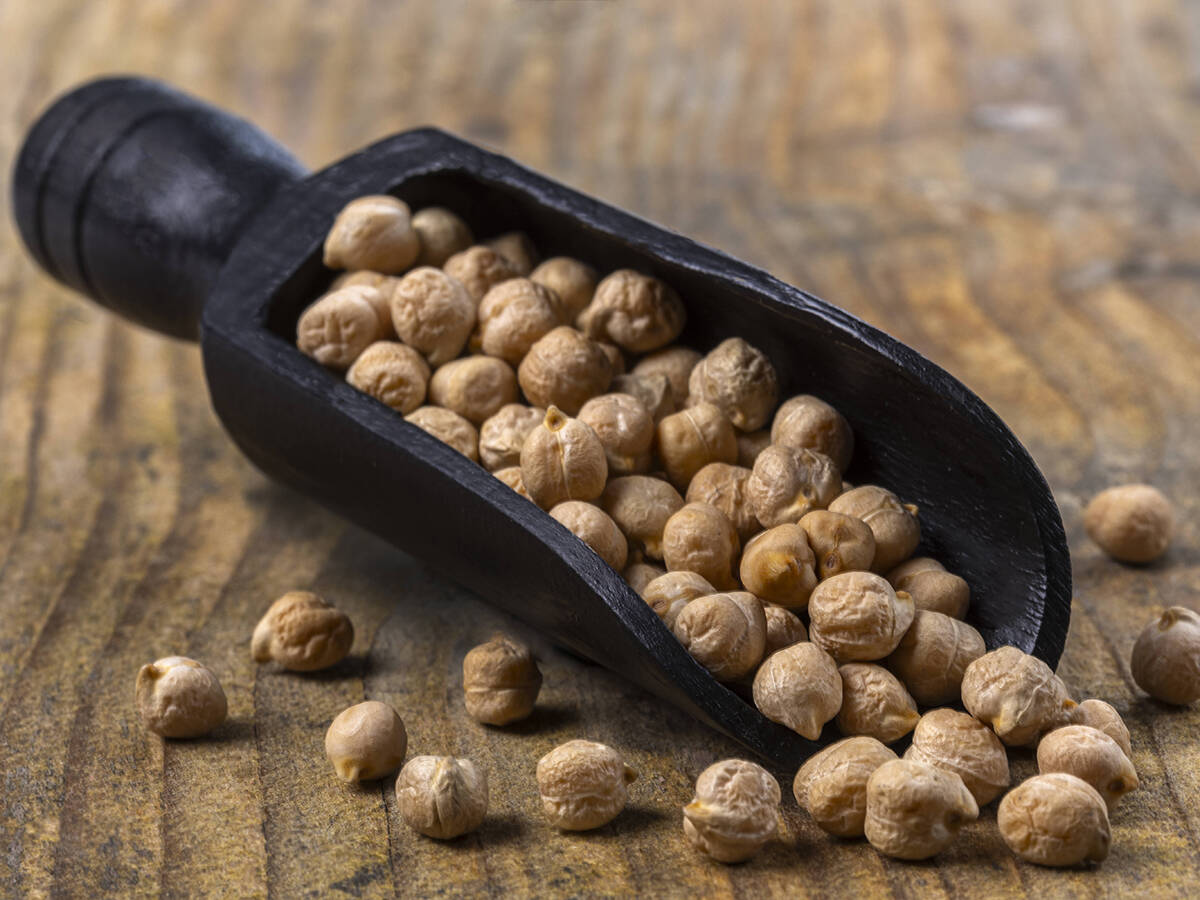
Glacier FarmMedia — Due to high fertilizer prices, there’s a strong possibility that Saskatchewan farmers will plant more pulses this spring, said Dale Risula, provincial specialist for pulse crops with the Saskatchewan Ministry of Agriculture.
That would be in addition to the planted area recently projected by Statistics Canada, as nitrogen-based fertilizers have seen price hikes of 30 per cent since the start of the current Middle East war. Vessels transiting the narrow Strait of Hormuz to and from the Indian Ocean and the Persian Gulf have come to a stop, which threatens global supplies.
Read Also
Bayer takes its multi-front battle on pesticide liability to Kansas
Kansas lawmakers were set to take up a bill on Tuesday backed by Bayer that would prevent people from suing pesticide manufacturers for not warning them that their products could cause cancer or other illnesses.
On Feb. 27, nearby urea futures on the Chicago Board of Trade were nearly US$442 per tonne and then jumped to US$590 by March 3. Since then, urea has fluctuated with crude oil prices, closing on March 9 at US$585/tonne.
Pulses add nitrogen
Risula said in a March 10 interview that switching to pulses would make sense due to the nitrogen benefits they provide.
“But it may not be as much as one might think because there are other aspects that could influence farmers’ decisions,” he added.
He said farmers’ crop rotations would be a major consideration as well as concerns over root rot, which has been a problem for pulse crops in Saskatchewan.
Of the choices for additional pulse acres, Risula said the most likely would be lentils. Another selection he said farmers would consider is chickpeas.
“They’re growing it away from the area it was intended for, which was the drier part of southwest Saskatchewan,” he said, noting there are more chickpea varieties available.
StatCan recently forecast a 13.3 per cent increase of planted chickpea acres in Saskatchewan for 2026/27 at 559,100.
Phosphorus issues
As for lentils and peas, Risula cautioned these pulses require good phosphorus levels, which is currently a problem in the province.
“Generally, our soils have been running down in phosphorus levels,” which he said are cyclical.
That would also mean farmers would have to consider the costs to applying phosphorus where levels are lower than normal and its availability. While urea process have risen significantly, those for phosphorous are up only five per cent.
StatCan planted and forecast pulse acres in Saskatchewan
Pulse 2025/26 2026/27
Lentils 3,808,600 3,643,900
Dry Peas 1,773,000 1,479,300
Chickpeas 493,400 559,100
Faba Beans 15,300 29,800
Dry Beans 8,600 n/a
– With files from Sean Pratt, Glacier FarmMedia