
Anyone hoping Canada had shut the book on BSE in its cattle herd and could someday soon regain “negligible risk” status has been dealt a new setback.
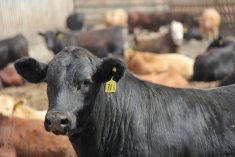
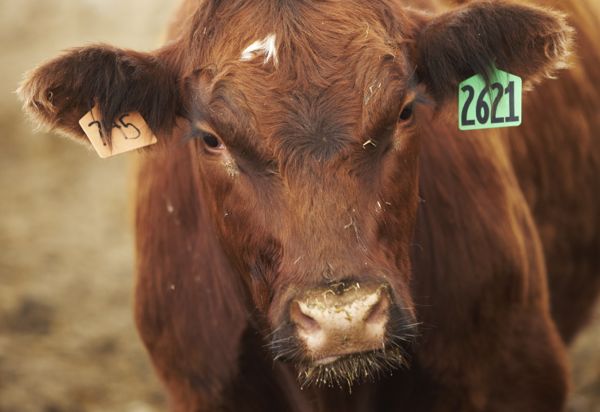
The Canadian Food Inspection Agency (CFIA) confirmed late Thursday that a beef cow in Alberta is Canada’s 19th home-grown case of bovine spongiform encephalopathy, the country’s first such case since 2011.
Not much else is yet known about the animal, including its age, its history or how or where it may have acquired the disease, but CFIA emphasized Thursday that “no part of the animal’s carcass” entered any food or feed system.
Read Also
USDA attachés forecast some changes in China’s oilseeds, cereals
As China heads into the 2026/27 marketing year, the United States Department of Agriculture attachés in Beijing projected a few minor to moderate changes in the country’s soybean, canola, corn and wheat crops.
CFIA said it’s already launched an investigation to confirm the cow’s age and travelogue, focusing mainly on the feed supplied to the cow in its first year of life.
As has been the case in previous findings of BSE, CFIA will also trace out any animals of “equivalent risk” to the beef cow. Equivalent-risk animals will be ordered destroyed and tested for BSE.
In the eyes of the World Organization for Animal Health (OIE), Canada remains a “controlled risk” country for BSE. The new case thus shouldn’t affect exports of Canadian cattle or beef to any country recognizing OIE criteria, the agency said.
New cases of BSE in Canada have slowed to a trickle in recent years. Case 18, confirmed in February 2011, was a 77-month-old dairy cow in Alberta, while Case 17 was a 71-month-old beef cow in Alberta, confirmed in February 2010.
OIE criteria allow for a country that’s had cases of BSE in domestic animals to level up to “negligible risk” for the disease, if any infected domestic animals were born more than 11 years ago.
The new case’s age isn’t yet known, but Case 18’s birth date was Aug. 23, 2004 — which would have put its 11th birthday this summer.
Countries the OIE assesses as “negligible risk” or “controlled risk” for BSE must notify the OIE in writing in November each year whether their epidemiological situation for BSE has remained unchanged, and must continue to document their observance of OIE standards for surveillance and reporting.
Canada’s Case 19 was detected through the country’s BSE surveillance program, which “continues to play an important role in Canada’s strategy to manage BSE,” CFIA said Thursday. –– AGCanada.com Network