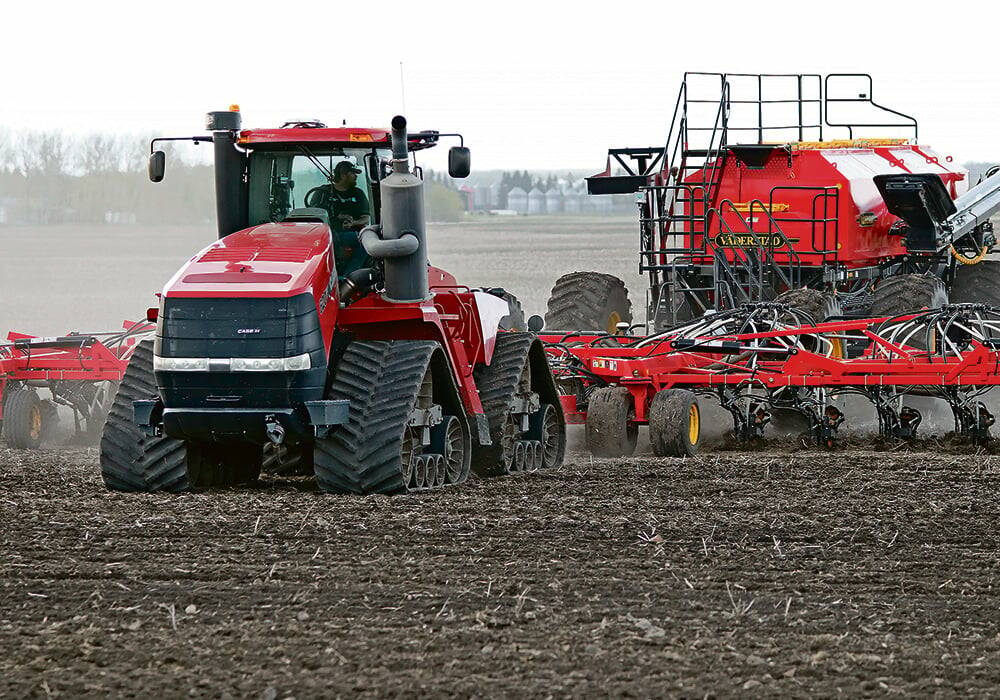
Glacier FarmMedia — As spring planting approaches, farmers are busy planning which crops to seed this year and how much. With that, market thoughts have turned toward planted area projections, as Statistics Canada is set to issue its report on Thursday.
Based on interviews by Glacier FarmMedia, the general outlook is for more planted acres devoted to canola, spring wheat, barley and oats. Then expectations are for less durum, corn, soybeans, lentils and peas going into the ground.
Canada-China trade deal
Of note, the StatCan report will be based on farmer surveys conducted in December. That was before Canada and China reached their tariff deal that has eliminated or slashed levies on China’s imports of Canadian canola seed and meal, as well as other products.
Read Also
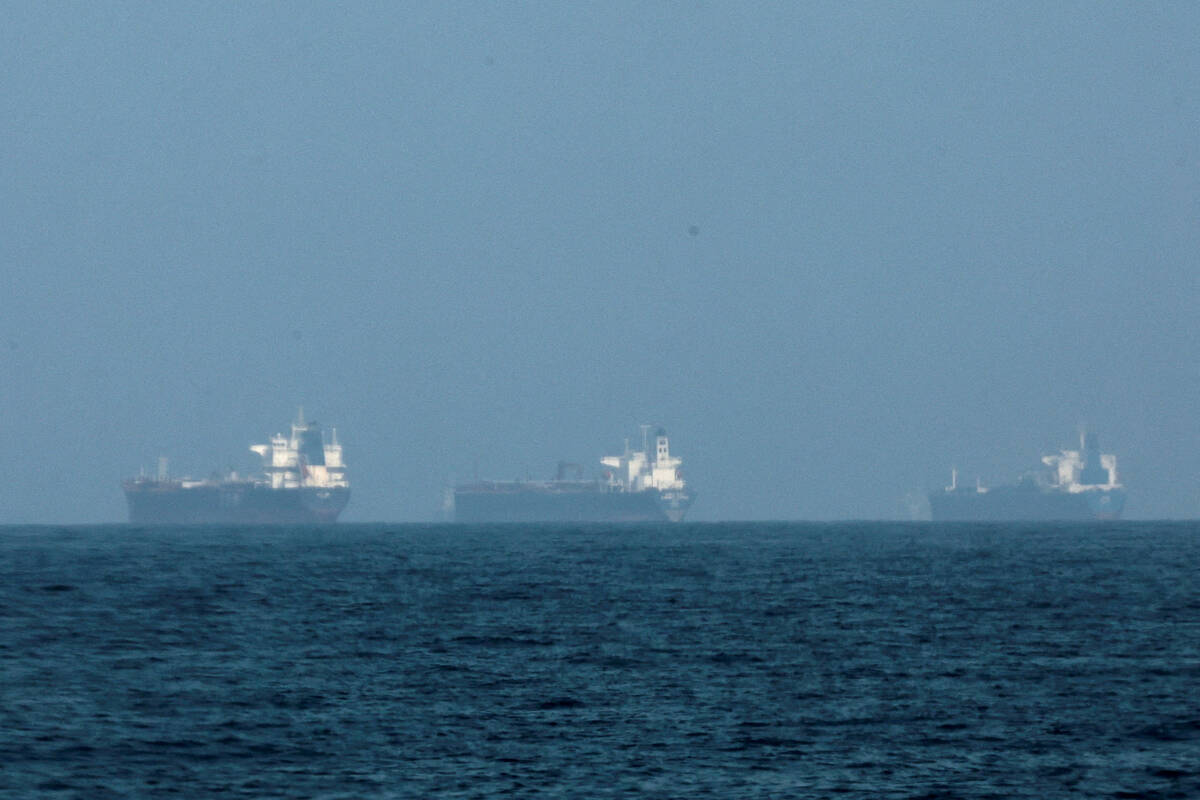
Farmers see fertilizer price surge as Iran war blocks exports, threatening losses
The world’s farmers face soaring fertilizer and fuel prices as the war in the Middle East escalates, leaving some scrambling for supplies as the spring planting season approaches.
Jon Driedger of Leftfield Commodities said farmers were very likely planning to seed more canola this year anyways.
“Prior to the China trade deal, canola was penciling out better than a lot of other crops,” Driedger said, noting that agronomics may limit how much farmers can plant of each crop.
John DePape of Farm Co. projected 22.50 million acres of canola to be planted in 2026/27, suggesting that “would be on the lower side.”
Jerry Klassen of Resilient Capital said he expects Canadian farmers to revert to their more traditional plantings, which would see larger crops such as canola and spring wheat, while there’s likely to be less durum planted. Klassen said a good amount of durum was seeded last year in areas that traditionally grow very little of it.
He concurred that more canola will be planted in 2026/27 because it offers the best returns.
Pulses, cereals
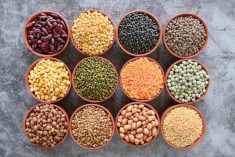
For pulses, Klassen said less acres will be allocated to them due to their large ending stocks, especially for lentils and peas.
Klassen added that high fertilizer prices and supply shortages of it could affect farmers’ planting decisions, especially in Manitoba and Ontario.