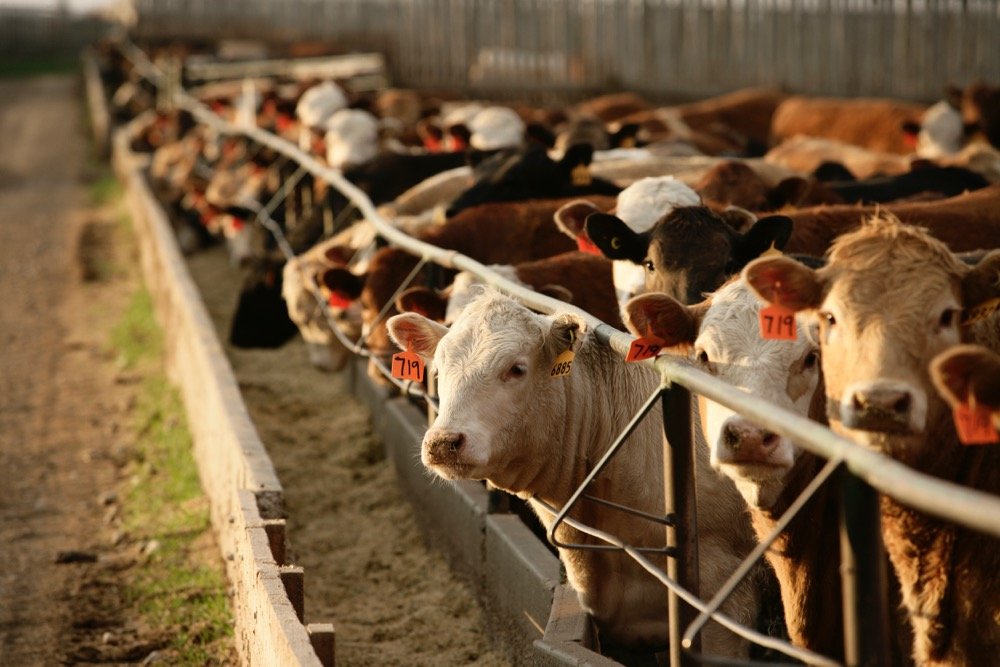
Compared to last week, western Canadian feeder cattle prices were quite variable. Certain reports had yearling markets trading $3 on either side of unchanged while in southern Alberta, prices were down $2-$4 on average. Calves weighing 600 to 750 lbs. were $4 lower to $4 higher and feeders under 600 lbs. were steady to $3 higher on average.
Barley and feed wheat prices remain firm, with stronger values quoted in the deferred positions. The cost per pound gain is making all the feeder cattle look expensive at the current levels. At the same time, the March Canadian dollar reached over 80 U.S. cents on Friday. Western Canadian yearlings are also sharp premium to replacements in Nebraska and Kansas. It’s difficult to justify further upside in the short term. Fall placed calves that were backgrounded over the winter are coming on the market with heavier flesh levels and buyers are applying discounts accordingly.
Read Also

U.S. finalizes biofuel blending quotas for 2026-27, cuts RINS for foreign feedstocks
The Trump administration on Friday finalized new biofuel blending volumes mandates for the U.S. oil refiners, requiring more of the fuels made from corn and other agricultural products than initially proposed,in an apparent win for U.S. farmers.
Backgrounding operators moving larger-frame 900-lb. steers direct off farm were receiving bids in the range of $160-$165 delivered southern Alberta for late March-early April delivery. In central Alberta, larger-frame medium-flesh tan steers weighing 975 lbs. were valued at 168; Charolais-based steers weighing 850 lbs. were quoted at $173 in the same region. In Manitoba, medium- to larger-frame black steers with heavier flesh levels weighing 900 lbs. were valued at $171 and a small group of Charolais heifers weighing 900 lbs. were valued at $154.
North of Calgary, Angus mixed thin steers fed very light grain ration with full health program weighing 710 lbs. were quoted at $202 and Angus-blended heifers with same details were valued at $170.
East of Saskatoon, weaned Simmental-based steers with unknown health program averaging 650 lbs. were quoted at $210 while their lighter sisters averaging 610 lbs. were valued at $182. South of Edmonton, weaned Angus steers fed light grain on full health program weighing 525 lbs. dropped the gavel at $240; similar-quality heifers weighing 560 lbs. were quoted at $208. A small group of Charolais-based steers weighing just over 600 lbs. were quoted at $228 northwest of Winnipeg.
The feeder market is balancing the tight feed grain situation with the year-over-year decline in calf crops on both sides of the border. Finishing operators that didn’t book their feed grains earlier are in a very difficult situation. Barley is tight, there is no doubt about it; however, you can buy all the wheat you want but it’s also pricey.
— Jerry Klassen manages the Canadian office of Swiss-based grain trader GAP SA Grains and Produits Ltd. and is president and founder of Resilient Capital, specializing in proprietary commodity futures trading and market analysis. Jerry consults with feedlots on risk management and writes a weekly cattle market commentary. He can be reached at 204-504-8339 or via his website at ResilCapital.com.