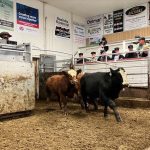

Feeder steers weighing 525 pounds brought back $160 per hundredweight last week in central Alberta as feedlot buyers continue to be aggressive with nearby purchases. Overall, the feeder market was $1 to $3 higher across Western Canada.
Anticipated strength in the fed cattle market for the September through December timeframe is driving demand for lightweight feeder cattle. December live cattle futures are hovering near $120/cwt, which implies the U.S. cash market could be in the range of $117 to $118.
U.S. slaughter cattle prices surged last week reaching $113/cwt in the southern Plains; the Alberta fed market topped out at $106/cwt, with the stronger Canadian dollar weighing on the basis.
Read Also

U.S. finalizes biofuel blending quotas for 2026-27, cuts RINS for foreign feedstocks
The Trump administration on Friday finalized new biofuel blending volumes mandates for the U.S. oil refiners, requiring more of the fuels made from corn and other agricultural products than initially proposed,in an apparent win for U.S. farmers.
Feedlot margins are in the range of $125 to $160 per head, which is something we haven’t seen in a long time. However, feeder cattle entering feedlots now will need some hefty breakeven levels later in summer.
Bred cows and heifers for replacement were slightly higher last week. There appears to be renewed enthusiasm for cow-calf producers to rebuild herds. Favourable moisture conditions are also enhancing demand for lightweight grass cattle.
Grocery store spending is up two to three per cent and restaurant spending is up five to seven per cent. However, retail beef prices are up 10 per cent and will likely increase another 10 per cent over the next six to eight months, given current wholesale beef prices. The increase in cattle prices and wholesale beef values has outpaced consumer expenditures. The cattle and beef complex will ration demand in the latter half of the year, which will slow beef consumption. This is the longer-term risk to the current price structure for feeder cattle.
— Jerry Klassen is a commodity market analyst in Winnipeg and maintains an interest in the family feedlot in southern Alberta. He writes an in-depth biweekly commentary, Canadian Feedlot and Cattle Market Analysis, for feedlot operators in Canada. He can be reached by email at [email protected] or at 204-287-8268 for questions or comments.