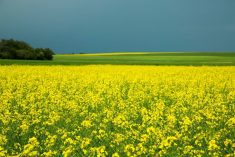

MarketsFarm — Forecasts of rain for Western Canada will certainly help canola in terms of growing this year, said David Derwin of PI Financial in Winnipeg.
“I spoke with several farmers from across the Prairies who said we got some good rains, a few who didn’t, but by in large, it’s good and the forecasts are for showers and thundershowers over the next week or so,” he said.
He also noted the end of June and the beginning of July are quite often a peak time for pricing, and it could be prudent to bump up resistance levels for canola on ICE Futures and soybeans on the Chicago Board of Trade.
Read Also
Striking JBS workers to return to Colorado plant on promise of talks
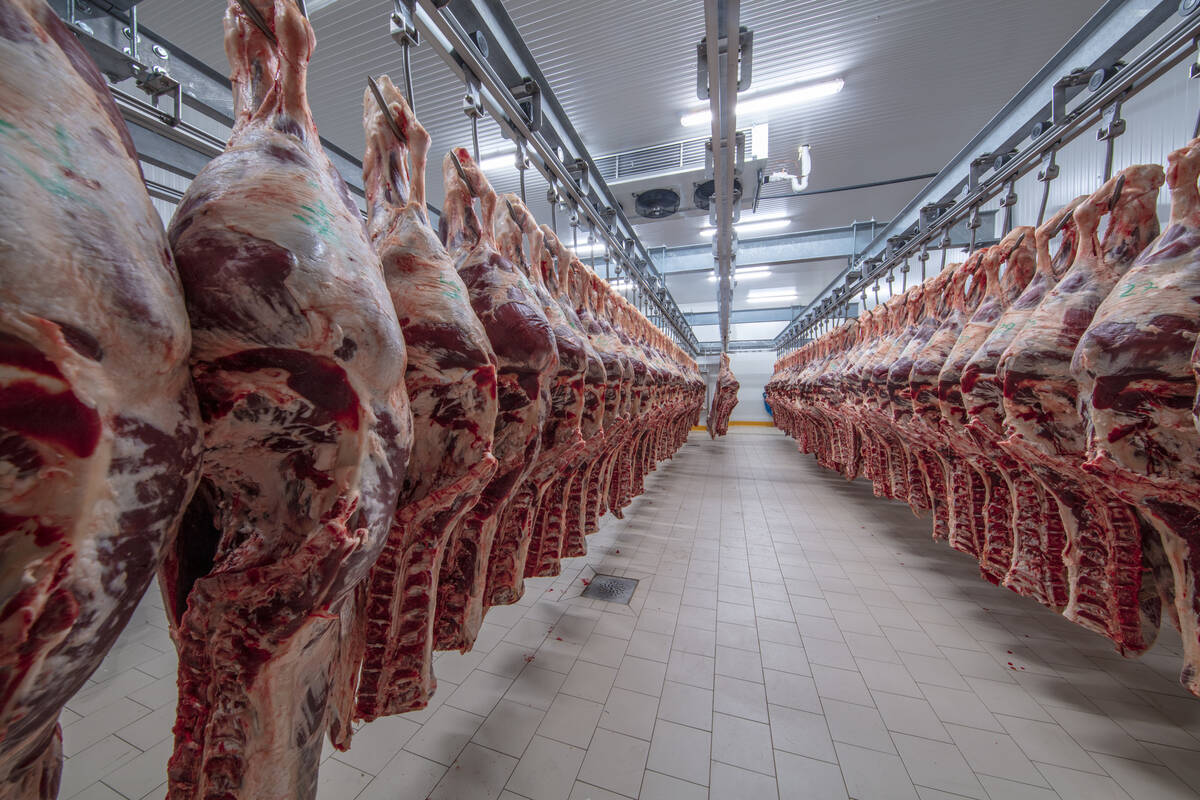
Workers of the world’s largest meat company, JBS, agreed to return to work at a beef plant in Greely, Colorado after it agreed to resume negotiations.
Another element Derwin mentioned was “too much attention being paid every week on the (U.S. Department of Agriculture’s) crop progress report and the story gets spun out.”
He acknowledged markets won’t be finished with the weather concerns, but said U.S. farmers made significant progress with corn planting.
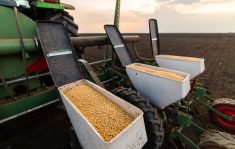
As of Sunday, about 92 per cent of corn was planted, up from 83 per cent as of June 9. The five-year average is 100 per cent, according to the USDA.
“Pretty much everything has been planted and the emergence looks good,” Derwin said.
However, soybeans have continued to lag behind he said. The latest crop progress report stated 77 per cent of soybeans were in the ground, up from 60 per cent the previous week. The five-year average is 93 per cent.
Derwin added other factors as well, including the U.S./China trade war, huge soybean crops in Brazil and Argentina, and a large global carryover.
“It’s balancing things out a bit,” he said, noting prices had been too high and “the elastic was stretched a little too much.”
— Glen Hallick writes for MarketsFarm, a Glacier FarmMedia division specializing in grain and commodity market analysis and reporting.