

A challenge for farmers is to apply the correct fertilizer nutrients, at the optimum rates, at the right times and placed for most efficient uptake for each crop. The fertilizer industry summarizes that challenge using the 4R (Four ‘Rights’) slogan. Wise 4R nutrient management ensures the best fertilizer efficiency and optimum crop production. Practicing 4R fertilizer management goes a long way to ensure farm sustainability well into the future.
Fertilizer Canada has done an excellent job promoting and developing information for agronomists and farmers to help achieve 4R management. In this article, I will briefly review some of the 4R key information. Visit Fertilizer Canada’s website to access their detailed information.
What are the 4R principles?
Read Also
Croptimistic’s SWAT Cam maps one million acres in Western Canada
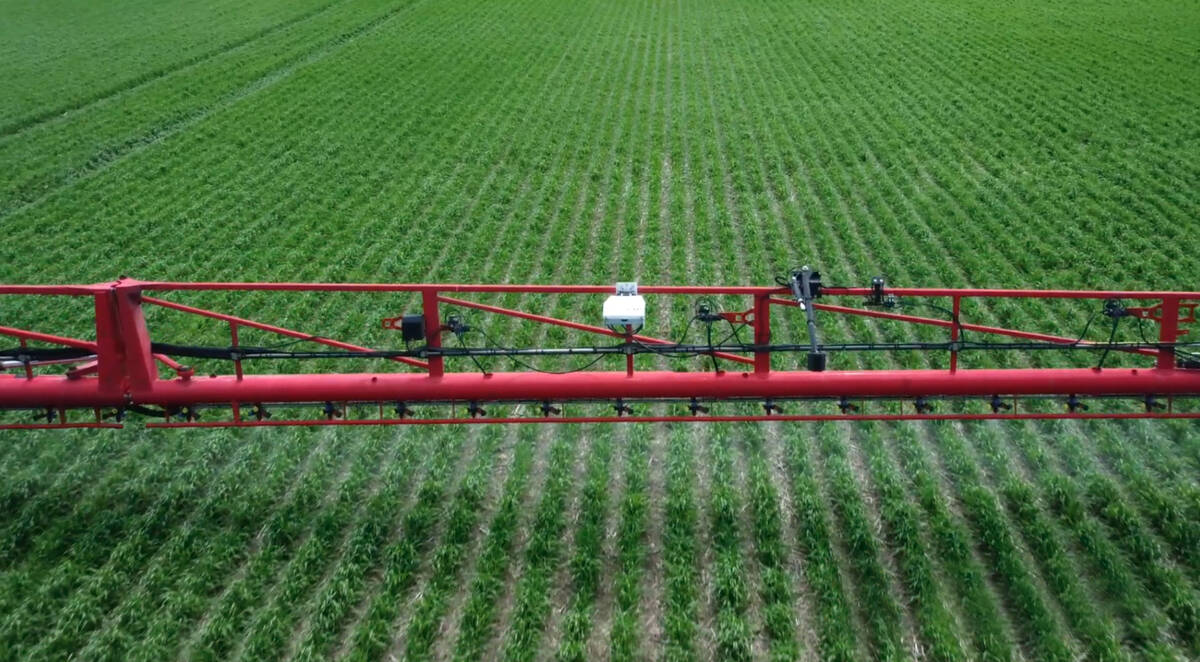
Croptimistic’s SWAT Cam has mapped more than one million acres, using sprayer-mounted cameras to generate crop and weed maps that support in-season analysis and future management decisions.
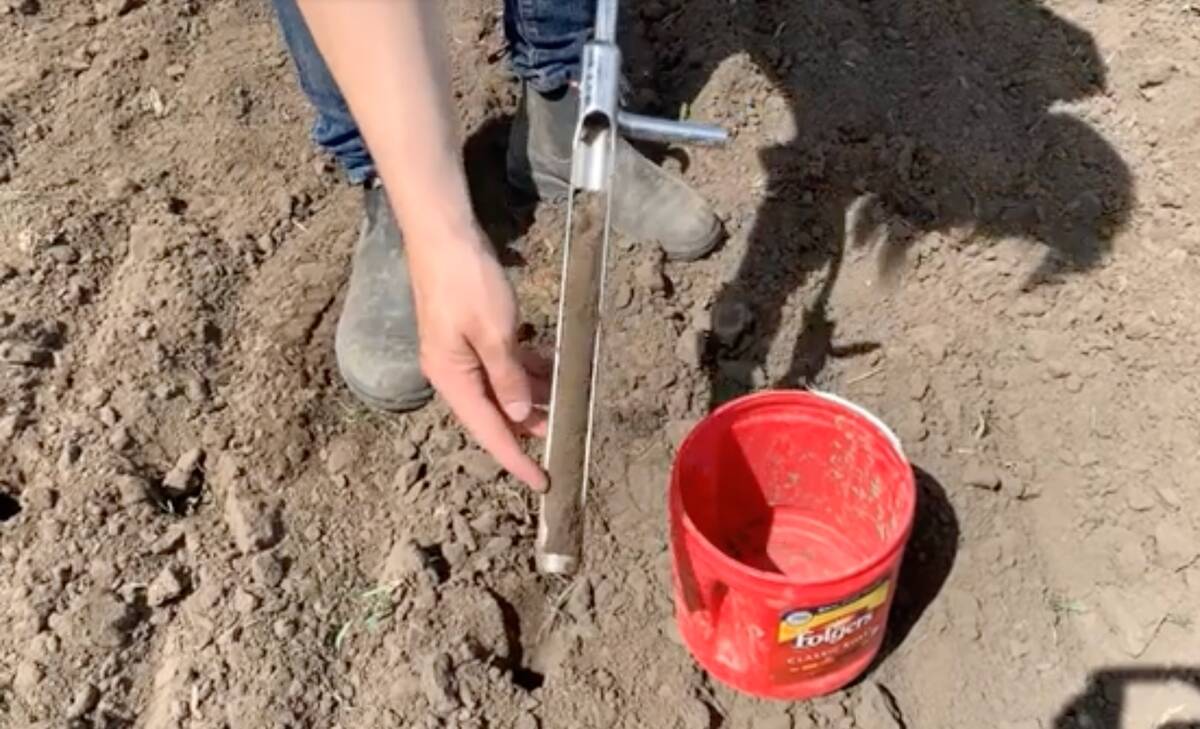
The starting point for developing 4R management is to work with a well qualified professional agrologist (P.Ag.) or Certified Crop Advisor (CCA) with a strong soil fertility and a fertilizer background with 4R training. Next, working with your agronomic advisor, develop a soil sampling plan for your farm fields to conduct annual soil sampling and analysis of each field. Knowing the level of each plant nutrient in each field is critical to determine what plant nutrients are adequate, marginal or deficient, and how much of each nutrient needs to be applied to each field depending on the crop to be grown. To do this, consider each of the 4R principles:
Right source: This involves identifying which plant nutrients are deficient or marginal in your field for the crop to be grown. Soil testing is invaluable to determine this. From there, you can determine the correct and best fertilizer sources to provide each nutrient, to ensure an adequate supply of each.
Right rate: To determine the correct rate of each fertilizer nutrient, considerations include knowing the plant available level of each nutrient in the soil, estimating release from soil minerals and/or soil organic matter, and the nutrient availability of each applied fertilizer; also, take into consideration past manure applications. Then the rate for each nutrient is selected based on crop requirements and yield potential. Also, be sure fertilizer application equipment is calibrated to deliver the correct application rates.
Right time: Apply each fertilizer at the best time to achieve the highest efficiency of uptake and to minimize potential losses. For example, for an annual cereal crop, apply nitrogen fertilizers just before or at the time of seeding.
Right place: Place each nutrient to optimize uptake by plant roots and minimize losses. For example, for an annual cereal crop, side or mid-row band nitrogen and seed-place phosphate fertilizer at safe rates, at seeding time, to optimize uptake.
4R goals and advantages
Using 4R management optimizes nutrient application and uptake, resulting in optimum crop yields. This leads to better crop management, improved soil fertility and increased soil health. 4R management increases fertilizer use efficiency resulting in higher production per acre for each unit of nutrient applied. This in turn leads to improved farm income and profits.
Adopting 4R management helps retain nutrients in the soil and minimizes the negative impact of fertilizers on the environment. Excellent nutrient management reduces nutrient losses to the atmosphere, such as volatile ammonia (NH3) losses and denitrification losses of nitrous oxide (N2O). Leaching losses of nitrate nitrogen (NO3), sulphate sulphur (SO4) and other mobile nutrients downward into subsoil and into groundwater can be minimized. Nutrient losses by runoff into surface waters can also be minimized to preserve natural ecosystems on and adjacent to your farm.
4R practices for Prairie crop production
Fertilizer Canada has developed information to increase 4R knowledge for western Canadian farmers and agronomic advisors. Agronomists’ and farmers’ increased interest in developing better fertilizer management plans over the years has led to more research across Western Canada to improve best management practices (BMPs).
Keep in mind, Western Canada has a wide range of agro-ecological areas, each with a range of climatic conditions and soil types resulting in varying cropping practices used by farmers — so there is no one right answer for best fertilizer management for all western Canadian farmers. Fertilizer planning must be farm-specific, and geared for the unique crops, cropping practices, soils and climatic conditions of the farm.
Fertilizer Canada, in consultation with industry experts, has developed recommendation documents for Alberta, Saskatchewan and Manitoba. The purpose of these documents is to provide guidance as to what might be considered better 4R practices in different regions with varying cropping systems. The information provides suggested guidance practices for consideration.
The 4R program has been based on western Canadian research and scientific principles to develop practices for uniquely different cropping systems. For example, “right” varies with the agro-ecological area in which a farm is located, the cropping system used, the equipment available to the farmer, and fertilizer products available to the farmer. A farmer working with an agronomic advisor will select the best management practices to consider and balance agronomic, economic and environmental considerations along with the equipment the farmer has.
We must also keep in mind that the 4R principles are very interdependent. Developing practices for one of the “rights” will impact the other “rights.” Best management practices are really a suite of practices that are interactive and work together to improve fertilizer nutrient use efficiency and minimize nutrient losses.
Each farmer starting the process of developing a 4R plan will be at different starting points. Most farmers in Western Canada are already using reasonably good fertilizer management practices. But these are often lots of opportunities for improvement. For example, fewer than 20 per cent of Prairie farmers routinely soil test. Having reliable soil testing information greatly expands opportunities to work with a well-qualified agronomist to interpret the tests’ results.
My suggestions
I strongly support the efforts of Fertilizer Canada to promote the 4R principles to agronomists and farmers in Western Canada. Prairie farmers should consider shifting toward improved 4R fertilizer practices. Here are some of my suggestions to move forward:
- Hire a well qualified agronomist with 4R training.
- Develop a comprehensive soil sampling and testing plan for the farm.
- Use a soil testing laboratory that uses the recommended analyses for your province.
- Working with your agronomist, develop a good basic 4R plan to get started, by carefully interpreting soil analysis results for each field. Implement a basic fertilizer plan for the first several years to start the 4R learning process.
- By year three, working with your agronomist, build on your learning and experience, and look at shifting upward to an intermediate level of 4R practices, adopting improved practices and technologies.
- By year five to six, look at adopting advanced practices that might involve investment in new technologies, practices and/or equipment.
- Rely on your agronomist for your detailed planning each year. Become aware of new research and new technologies in your area and constantly seek out opinions from other knowledgeable soil and crop experts and researchers who could potentially improve BMPs on your farm. Maximize your learning and consider new opportunities.