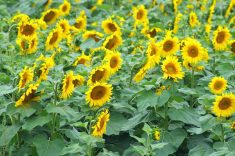


Soybean growers should be aware of some agronomy recommendations.
Soybeans require a bacteria, Bradyrhizobium japonicum, to create nitrogen-fixing nodules on its roots. The bacteria that forms nodules on soybean roots is not found naturally in soils in Western Canada, so inoculation is necessary. If the plant has poor nodulation, it must rely on nitrogen present in the soil or applied to the soil.
Any field that does not have a history of soybeans or fields that have a four-year rotation should double inoculate to ensure adequate nodulation. Until there is a history of at least five years of soybeans on the field, growers should continue to double inoculate. Long-time soybean growers may want to reduce rates of inoculant, but first, consider soil conditions that can impact the bacteria. Anaerobic soil conditions from saturated soils and drought conditions may increase the mortality rate of residual bacteria. If these conditions are common in a field then a normal rate or ideally a double rate of inoculant should be used.
Read Also
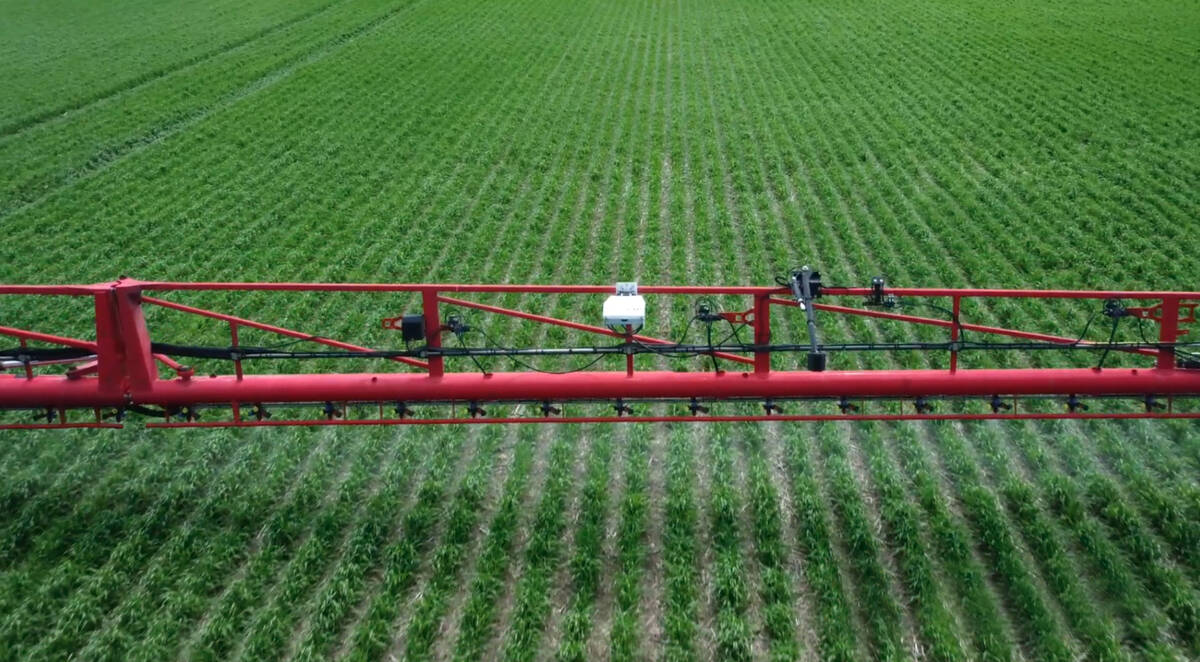
Croptimistic’s SWAT Cam maps one million acres in Western Canada
Croptimistic’s SWAT Cam has mapped more than one million acres, using sprayer-mounted cameras to generate crop and weed maps that support in-season analysis and future management decisions.
Soil temperatures should be at least 10 C when planting and for the following 48 hours when the seed is imbibing water. The ideal seeding depth is 0.75 inches to 1-1/2 inches. Seeding rate depends on type of seeding implement being used and the condition of the seed; if seed quality is poor then a higher seeding rate may be needed to compensate for seed mortality. If a grower is using a planter, a lower seeding rate can be used. If an air drill or air seeder is being used, a higher seeding rate is required. The goal is to have a final plant stand between 150,000 to 160,000 plants per acre.
Once harvested, additional drying may be needed to bring the moisture percentage down for proper storage. Harvesting soybeans at 13 to 14 per cent moisture eliminates drying costs, reduces shattering and cracking, minimizes harvest loss and maximizes profits.
Select the right variety with the right agronomic and maturity package for the field to be planted. This can greatly increase yield potential and minimize losses without any extra work. With new varieties coming out every year, soybean acres will continue to expand in Western Canada.
Michael Weir is DuPont Pioneer’s area agronomist for eastern Manitoba