




This summer in the eastern Prairies seemed to be hotter and definitely more humid than in previous years. I noticed this year in particular had many August nights when the humidex barely fell below 25 C. In talking to dairy producers, some had the same experience and also noticed their heat-stressed cows’ milk production as […] Read more

Dairy Corner: Twofold impact of heat stress
Reproduction setbacks may take longer to correct than milk production problems

Mouldy feed is dangerous for beef cattle
Moulds that aren’t always visible can cause irreversible damage
Recently, I walked with a beef producer into a hayfield cut a few days earlier and since had been rained on a couple of times. When I lifted a swath in the middle of the field the hay was dark brown on top and still green underneath. The producer said he was going to bale […] Read more

Pencil the profits of creep feeding
In a 300-head herd it could mean about $7,000 worth of extra gain
For much of this summer a lot of rain has fallen across the Prairies and has made pastures lush with green grass. Many beef cow-calf producers which creep spring calves have found cows are literarily bursting with milk, so their spring calves are making few visits to the calf feeders. It has been my experience […] Read more

Dairy Corner: Rain can compromise good quality hay
Feeding and management options to consider
The other week I was driving in southern Manitoba and saw a group of dairy cattle grazing tall lush pasture. The grass was up to their bellies and I thought: “When was the last time that our pastures looked so good?” The next field had cut hay in wide swaths that looked rained-on and bleached. […] Read more

Untreated pinkeye can be costly
Reduced weight gain on calves means fewer marketable pounds
It’s a funny thing about walking among beef cattle — I tend to catch things that I wouldn’t otherwise see by staring at them from a truck. Take spotting cattle with pinkeye for instance. The other week, I was walking along with the feedlot manager after the feedbunk was filled. Most of the beef finishers […] Read more

In-season breeding management tips
Preparing bulls for breeding begins before turnout
Every year, I receive calls from a few people looking to increase the nutrition and care of their beef bulls just prior to the breeding season in order to assure good fertility on pasture. On each of these calls, I find it difficult to tell producers this type of attention should have already been done […] Read more

Dairy Corner: Doubling the weight of newborn calves
Consider an accelerated feeding program over 56-days
When I tour a calf barn along with dairy producers, I often ask them what their main goal in raising baby calves to weaning? Many people respond that they wish to double the newborn’s bodyweight by weaning. My first thought is that this objective is truly challenging from any angle. To start, I calculate the […] Read more
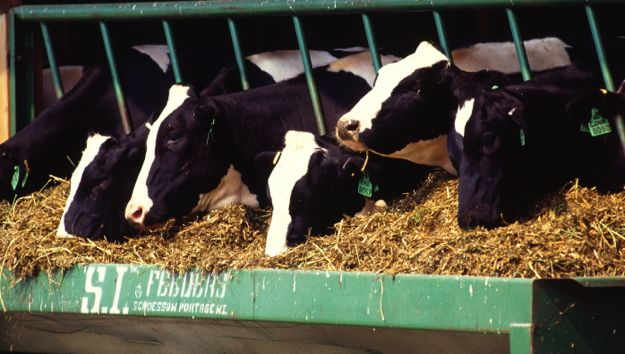
Dairy Corner: Tips for preventing selective eating
Recently, I attended the 2016 Western Canadian Dairy Seminar and took in several of the excellent presentations. One of the talks was by Tom Oelberg, who discussed the mixing of the milk cow’s Total Mixed Ration (TMR) as well as some of the improper diets that are often put down in the feed bunk. This lecture made […] Read more

Deworming cows can add to profits
Proper dose can improve weight gains, and reduce parasite load on pasture
Just after the new year, a rancher who runs a few hundred late-spring cows called me. He was having difficulty getting his weaned calves on background feed and they were just not doing “good.” Although, he dewormed these calves once off-pasture with a commercial pour-on, I told him they might still have stomach worms. So […] Read more

Reviewing dairy records can point to somatic cell count fix
In the last year, I have reviewed in extensive detail the somatic cell count (SCC) records from dozens of DHI-monitored and robot barns. As a result, I re-educated myself as to the dynamics of reducing high SCC in any particular herd in order to achieve a lower incidence of mastitis and higher milk production. My […] Read more