

Q. What factors should I consider when swathing canola with lower plant populations?
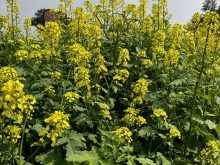
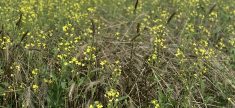
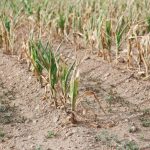
A. Limited spring moisture combined with insect pressure has led to canola crops with uneven emergence and multiple growth stages. Determining when to swath these crops to maintain maximum economic return can be stressful and confusing.
Generally, to maximize both yield and quality, swathing should occur when 60 per cent of the seeds on the main stem have started to turn. This means that the seeds in the pods on the bottom one-third of the main stem will be black, middle one-third will be turning and the top will be green but firm when rolled.
Read Also
Croptimistic’s SWAT Cam maps one million acres in Western Canada
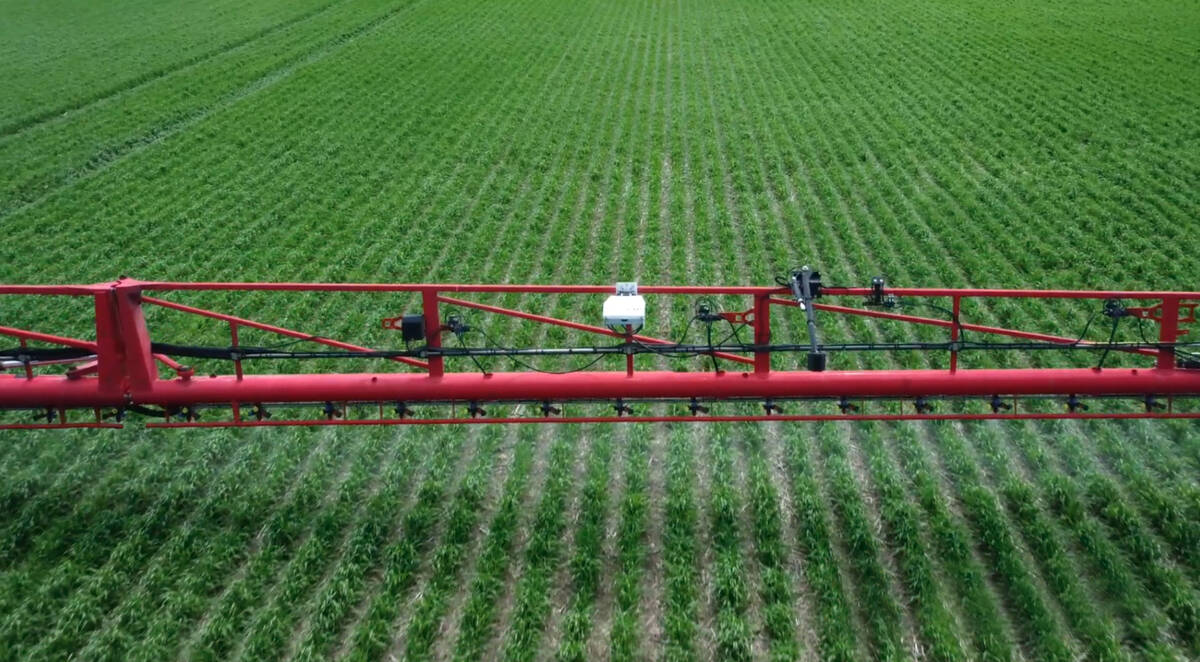
Croptimistic’s SWAT Cam has mapped more than one million acres, using sprayer-mounted cameras to generate crop and weed maps that support in-season analysis and future management decisions.
Check the areas of the field where the majority of the yield is. A variability map for the field or in-season imagery can help you identify where your most productive areas are.
 Consider your plant count as well. The higher the plant count the more yield comes from the main stem.
With plant counts on the lower end, evaluate the branches looking for seed colour change in the bottom pods and seed firmness in the top as canola ripens from the bottom up and then from the middle outward.
Keep a close eye on the weather forecast; swathing at cooler temperatures and higher humidity can help with pod shatter in the riper areas. With highly variable fields growers should swath slightly earlier than ideal when the highest-producing areas reach 35 per cent to 40 per cent seed colour change. At this stage you will sacrifice very little yield and quality but might be able to retain losses in the riper areas.
Twyla Jones, P. Ag, CCA, is a manager of agronomic services for Nutrien Ag Solutions in north central Alberta.