

Looking back on issues that growers had to deal with during the 2017 growing season, two things come to mind: insects and weather.
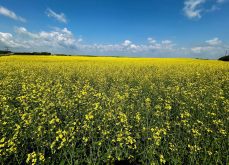
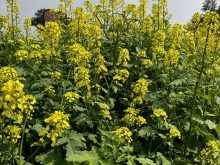
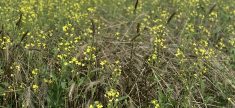
In the spring, several regions across the Prairies experienced heavy flea beetle and cutworm pressure in their canola crops, along with some diamondback moth pressure later in the season.
Keep in mind that flea beetles overwinter in the Prairies, so if you experienced high flea beetle pressure in 2017 you will want to keep an eye on your emerging canola crops in 2018.
As well, if you’re concerned about flea beetles or cutworms in 2018, be sure to investigate premium options for controlling these insects on your canola seed when ordering your canola seed for 2018.
Read Also
G3’s Farmers Equity Trust hits full allocation
After 10 years, G3’s Farmers Equity Trust has been fully allocated. But many farmers have yet to sign their eligibility certificates.
Precipitation across the Prairies in 2017 was extremely variable. Agriculture Canada’s latest maps show the per cent of average precipitation from April 1 to August 31 ranged from less than 40 per cent of average moisture in drought stricken areas, to 150 to 200 per cent of average moisture in the wettest areas.
Regardless of whether you found yourself in a wet zone or a dry zone this season, you’d be wise to take a closer look at your residual soil fertility. In high moisture areas, for example, you may have lost fertility due to leeching, and in dry conditions the crop may not have taken up all of the nutrients that were supplied.
Chadrick Carley is an agronomic services manager with Syngenta Canada.