Monsanto Canada plans to give corn growers one warning to keep a refuge of at least 20 per cent in fields of Bt corn, after which it will cut off growers who still don’t comply. The Canadian arm of the U. S. seed and ag chem firm announced its new enforcement policy recently, in the wake of warnings from the corn industry that Canadian growers are “slipping significantly” in maintaining refuge acres.
Under Monsanto’s new policy, Bt corn growers who are found to be non-compliant during “random field assessments” will get letters advising them of the importance of a “properly configured” refuge, and that they can expect a follow-up assessment in the next growing season.
Read Also
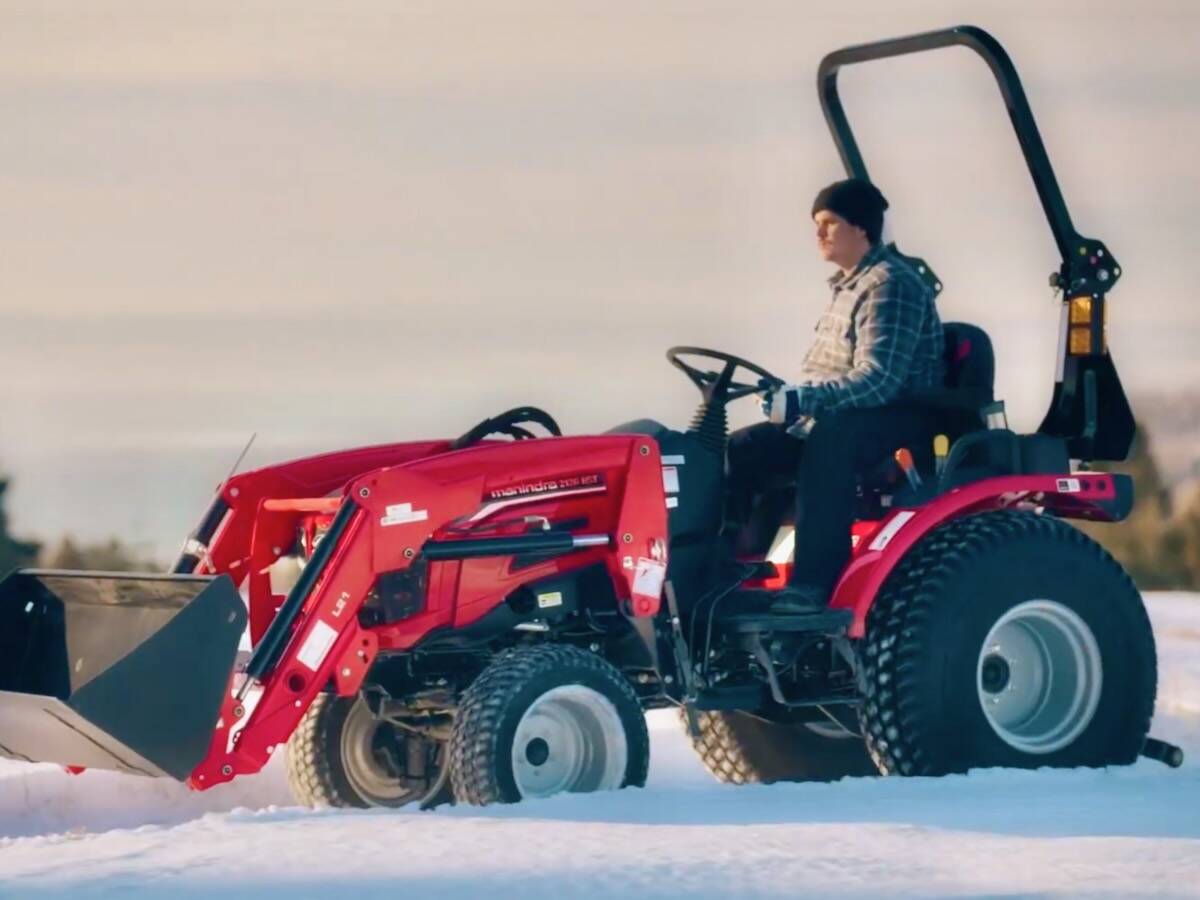
Mahindra moving forward with new tractors, post-split
Despite the dissolution of a key joint venture, farm tractor manufacturer Mahindra Ag says a new product lineup will be rolling out over 2026 and 2027.
Once that happens, a corn grower who’s been warned but doesn’t keep a proper refuge in a Bt corn crop the following year “will lose access to Bt technologies licensed by Monsanto” such as its YieldGard varieties. The first letters of non-compliance under the new policy will be sent out this winter, the company said.
“Planting a properly configured refuge when using corn hybrids with in-plant Bt insect control is absolutely critical to protecting the long-term viability and effectiveness of these technologies,” Chris Anderson, stewardship lead for Winnipegbased Monsanto Canada, said in a recent news release.
Most currently-available Bt crops come with a minimum non-Bt refuge of 20 per cent, which in corn crops must be seeded in blocks, strips or on a field’s headlands or perimeter. Among the few exceptions are Monsanto’s Genuity SmartStax “stacked” traits, which require refuge of just five per cent. A non-Bt refuge is meant to ensure the survival of target insects that haven’t bred resistance to the Bt protein, by diluting or eliminating any resistance traits that may develop through exposure to Bt over several generations.
Staff