

Glacier FarmMedia — Canada won’t have to give up its supply management system in a CUSMA review, but could give more access to U.S. milk and change how tariffs are administered, say trade and policy experts.
The Americans’ real anger is that they didn’t negotiate well regarding tariff rate quotas (TRQs) for new access to the Canadian dairy market during the Canada-U.S.-Mexico Agreement (CUSMA), said Andrea van Vugt, with Wellington Advisory, which advises Dairy Farmers of Ontario.
Read Also
Health Canada stops sales of coccidiosis medication Deccox on procedural issue
Deccox, a medication to prevent coccidiosis in calves and other livestock, is temporarily off the market after Health Canada issued a stop sale order earlier this month.
That means there’s likely room to negotiate on dairy with the U.S.
WHY IT MATTERS: The loss of supply management would have a significant impact on rural communities, particularly in Ontario and Quebec.
“I think the easy win is on TRQ administration,” said Stephen de Boer, who is on Wellington Advisory’s strategic advisory board and was previously part of the federal government advising on areas like defence. He also served as an ambassador, including to the World Trade Organization.
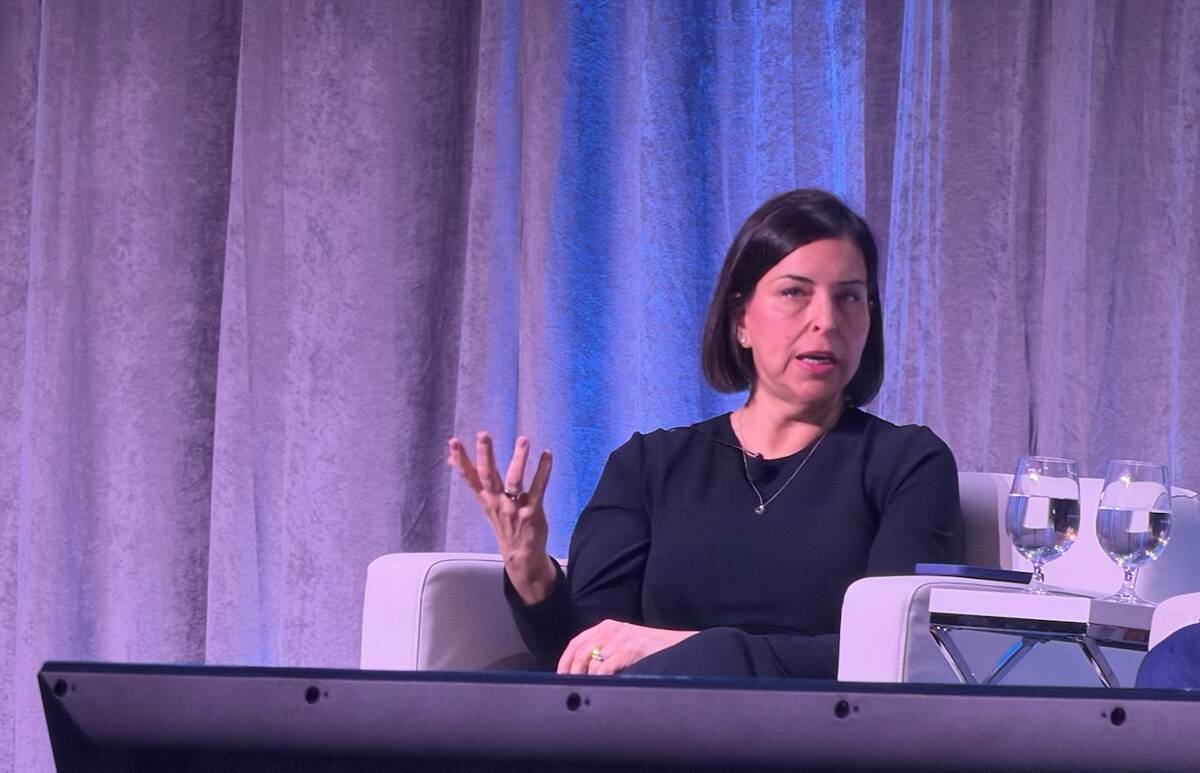
De Boer and van Vugt were part of a discussion at the Dairy Farmers of Ontario’s 2026 annual meeting in Toronto, held Jan. 13-15.
There’s a route to allowing the Americans a new way to administer TRQs, “and call it a day”, said de Boer.
When Canada negotiated its most recent trade agreements, including CUSMA and the Comprehensive Progressive Trans Pacific Partnership (CPTPP), it did not spell out how we would administer the TRQs, and that allowed Canada to give the TRQs to Canadian processors, not directly to retailers.
New Zealand also didn’t like that this method of TRQ allocation was the same in the CPTPP.
“It’s not what they expected, but it is what we negotiated,” said de Boer.
Van Vugt and de Boer also agreed that the negotiations would likely mean more access to the Canadian market for American products.
However, there doesn’t appear to be a lot of appetite for eliminating supply management for poultry and dairy.
“When I’ve talked to U.S. officials, and when I say U.S. officials, I mean certain U.S. officials who may live in Canada, representing U.S. interests in Canada,” they are concerned about the U.S. dairy sector facing competition from Canadian farmers, because they know that will happen, said van Vugt.
That doesn’t mean that Trump couldn’t make a larger, unexpected request, she said, as that’s in character for Trump, and he has prioritized dairy as an irritant.
De Boer said the Americans also understand that they use some supply management techniques to manage dairy production, too.
He added he expects chicken negotiations not to be arduous. “Our negotiators are excellent, particularly in negotiating in this space.”
Why the CUSMA review is toothless
The inclusion of a review clause in the CUSMA agreement was a step up from the previous North American Free Trade Agreement (NAFTA) because there was no such clause.
However, the clause has little power, said van Vugt.
“The review clause really is just, we’re going to get together, we’re going to talk if we disagree about things, we’re going to get together again in a few years and talk again. That’s it,” she said.
The review clause has become the “pointy end of a stick” that Trump is using, said de Boer, and it could lead to greater pressure tactics like the Americans threatening to leave the agreement.
He said he expects at minimum that CUSMA countries will be into yearly reviews, until renegotiation.
Trump operates by trying to gain leverage in anything he does, so it makes sense he will try the same game around CUSMA.
“I understand why he’s doing it, but I don’t think he has as much leverage as he thinks he has,” said de Boer, adding that Trump could take many actions, including adding new tariffs or blocking the border to access to some Canadian products.
Negotiators still to be determined
Van Vugt and de Boer both expressed their dismay that Kirsten Hillman, Canada’s ambassador to the United States and a skilled trade negotiator, has resigned her role. New negotiators in the federal government are being vetted and should be revealed soon. Van Vugt said it won’t be the new ambassador to the U.S. Mark Wiseman. Ambassadors usually don’t negotiate trade deals.
Van Vugt called Hillman “an incredible representative of Canada” and “an incredible advocate with incredible knowledge of the supply management industry.”