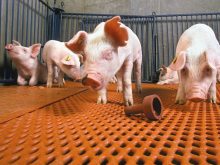


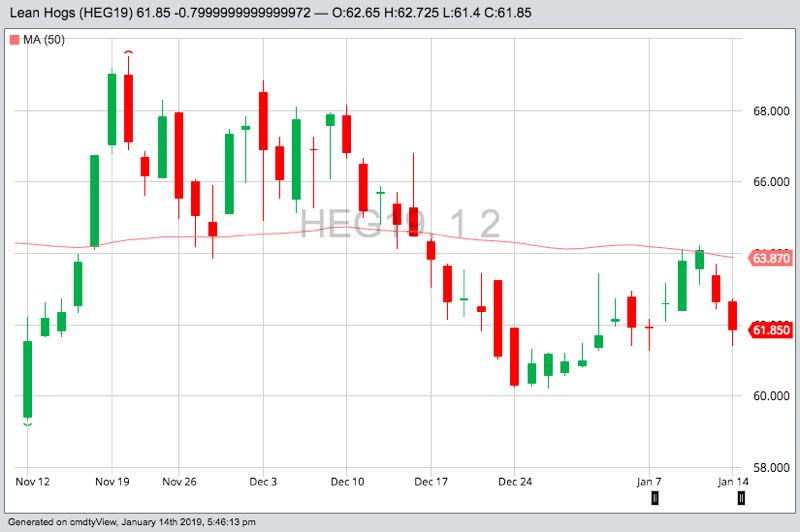
Chicago | Reuters — U.S. lean hog futures fell on Monday on softer cash values and reduced demand for hogs from packers who were cutting kills, traders said.
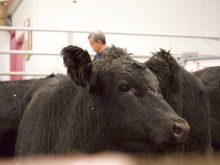
Live cattle futures were modestly lower while feeder cattle ended mixed, with front-month January declining and back months firming.
Chicago Mercantile Exchange lean hog futures fell despite strong packer margins. Some analysts said futures were correcting after the spot December contract closed above 59 cents/lb. on Friday, topping the CME lean hog index near 58 (all figures US$).
Read Also
CBOT Weekly: USDA predicts declines in planting intentions
Declines in projected planting intentions for 2026/27 were not as big as the market expected, after the United States Department of Agriculture released its estimates on March 31. The USDA also issued its quarterly grain stocks report with stocks for soybeans bigger than anticipated, while those for corn were smaller and wheat virtually matched the average trade guess.
“You had a premium to cash. It’s hard to maintain the December premium if the index is not going up,” said Alan Brugler of Brugler Marketing.
The daily U.S. hog slaughter for Monday fell to 452,000 head, the U.S. Department of Agriculture said, the smallest since Nov. 12. The government revised Friday’s total downward as well.
The market shrugged off the idea that a winter storm over the weekend in the Plains and Midwest might slow the movement of hogs to packing plants.
“It’s rough in the Midwest, but by midweek I think everything will open up and everything that needs to move, will move,” one trader said.
CME February lean hog futures settled down 2.275 cents at 65.55 cents/lb., retreating from a contract high set last week.
CME February live cattle futures settled down 0.275 cent at 120.65 cents/lb., a three-week high. January feeder cattle ended down 0.225 cent at 149.15 cents.
Wall Street stock indexes were higher, adding some support to cattle futures on the bet that consumers spend more on pricier cuts of meat when financial markets strengthen.
— Julie Ingwersen is a Reuters commodities correspondent in Chicago.