Chicago | Reuters — Chicago wheat climbed on technical buying on Wednesday after sliding to 13-month lows earlier in the week, as global supplies weigh on U.S. markets.
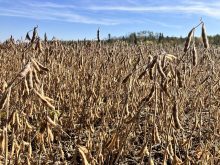
Soybean futures gained, underpinned by export demand optimism and dry conditions in top exporter Argentina.
Corn inched higher, supported by wheat and soy despite from weaker crude oil.
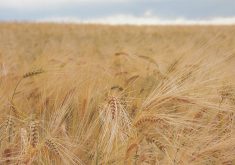
The most-active wheat contract on the Chicago Board of Trade (CBOT) ended up 20-1/2 cents to settle at $7.49-1/2 a bushel (all figures US$).
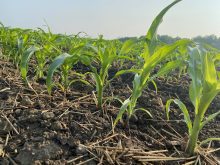
CBOT corn lifted four cents to settle at $6.41-1/4 a bushel, while CBOT soybeans firmed 17 cents to $14.72 a bushel.
Read Also

Farmers see fertilizer price surge as Iran war blocks exports, threatening losses
The world’s farmers face soaring fertilizer and fuel prices as the war in the Middle East escalates, leaving some scrambling for supplies as the spring planting season approaches.
“After hitting a one-year low, I think some traders saw it as a buying opportunity,” said Terry Reilly, senior agriculture futures analyst Futures International.
Export demand has been strong this week, though U.S. wheat remains expensive compared to Black Sea supplies.
Mounting Russian exports continue to pressure wheat prices. Shipments from October through December are expected to reach 12.7 million tonnes, up 33 per cent from the same period in 2021, according to agriculture consultancy Sovecon.
Forecasts for a record crop in Australia have also eased global supply concerns and added weight to U.S. wheat markets.
A weaker U.S. Dollar Index should make U.S. commodities more affordable on the global market, but is still too strong to entice buyers, said Ed Duggan, senior risk management specialist at Top Third Ag Marketing.
“The problem with the wheat is, we’ve become such a bit player on the export market, you’ve got the dollar (index) at $105, which is a low for six months, but it’s still a dollar at $105,” he said.
Soybeans remain supported by optimism that easing COVID-19 lockdown measures in China will fuel further exports.
— Christopher Walljasper reports on agriculture and ag commodities for Reuters from Chicago.