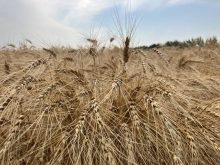


Chicago | Reuters — Chicago corn fell on Monday, pressured by uncertainty in the Black Sea region as talks of a ceasefire in Ukraine could open up the region to exports, though progress remains uncertain.
Wheat eased early in the session, but returned to near even on news that Russia is suspending exports to protect domestic food supplies as tariffs damage its economy.
Soybeans were initially supported by Argentina’s decision to halt exports registration of soyoil and meal, which could increase oilseed demand in other countries to produce alternative supplies, though the suspension is expected to be temporary.
Read Also
USDA attachés forecast some changes in China’s oilseeds, cereals
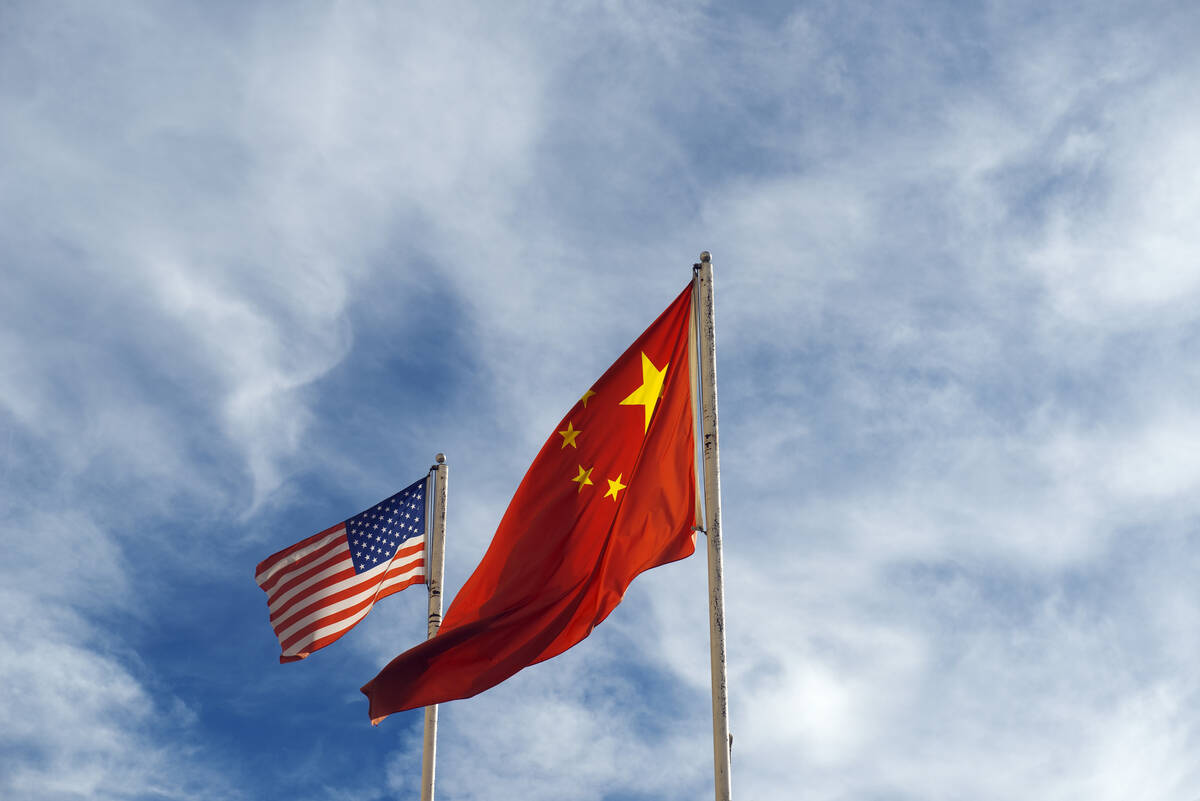
As China heads into the 2026/27 marketing year, the United States Department of Agriculture attachés in Beijing projected a few minor to moderate changes in the country’s soybean, canola, corn and wheat crops.
Chicago Board of Trade most-active corn ended 14-1/4 cents lower at $7.48-1/4 per bushel (all figures US$).
Wheat fell 10-1/4 cents to settle at $10.96-1/4 a bushel, while soybeans settled down 5-1/2 cents at $16.70-1/2 a bushel.
Ukraine said on Monday that it had begun “hard” talks on a ceasefire, immediate withdrawal of troops and security guarantees with Russia. Both sides reported progress, though details were scant.
The uncertainty left grain traders unclear about the availability of global supplies.
“There’s just a lot of nervousness. Nobody’s terribly comfortable with their wheat positions,” said John Zanker, market analyst at Risk Management Commodities.
Earlier losses in wheat were erased as Russia looks to suspend exports of wheat, barley, corn and rye until June 30, the Interfax news agency reported, citing the agriculture ministry.
“Russia must balance managing food inflation worries with generating cash to finance its war efforts,” said Arlan Suderman, chief commodities economist at StoneX.
In order to offset the lack of wheat and corn coming out of the Black Sea region, European nations have begun looking elsewhere. Spain and Italy have each bought 35,000 tonnes of U.S. corn, the U.S. Grain Council said.
— Reporting for Reuters by Christopher Walljasper in Chicago; additional reporting by Michael Hogan in Hamburg.