

La Niña continues to persist, with a 75 per cent chance of a transition to ENSO-neutral conditions likely between January and March, the U.S. Climate Prediction Center said on Thursday.
This raises the likelihood of heavier rainfall in areas like Argentina and the central and southern U.S. plains, which could favour some wheat crops.
“Atmospheric anomalies across the tropical Pacific Ocean remained consistent with La Niña,” the U.S. weather forecaster added.
“For most of the month, easterly wind anomalies were present over the central equatorial Pacific, and upper-level westerly wind anomalies continued across the equatorial Pacific.”
Read Also
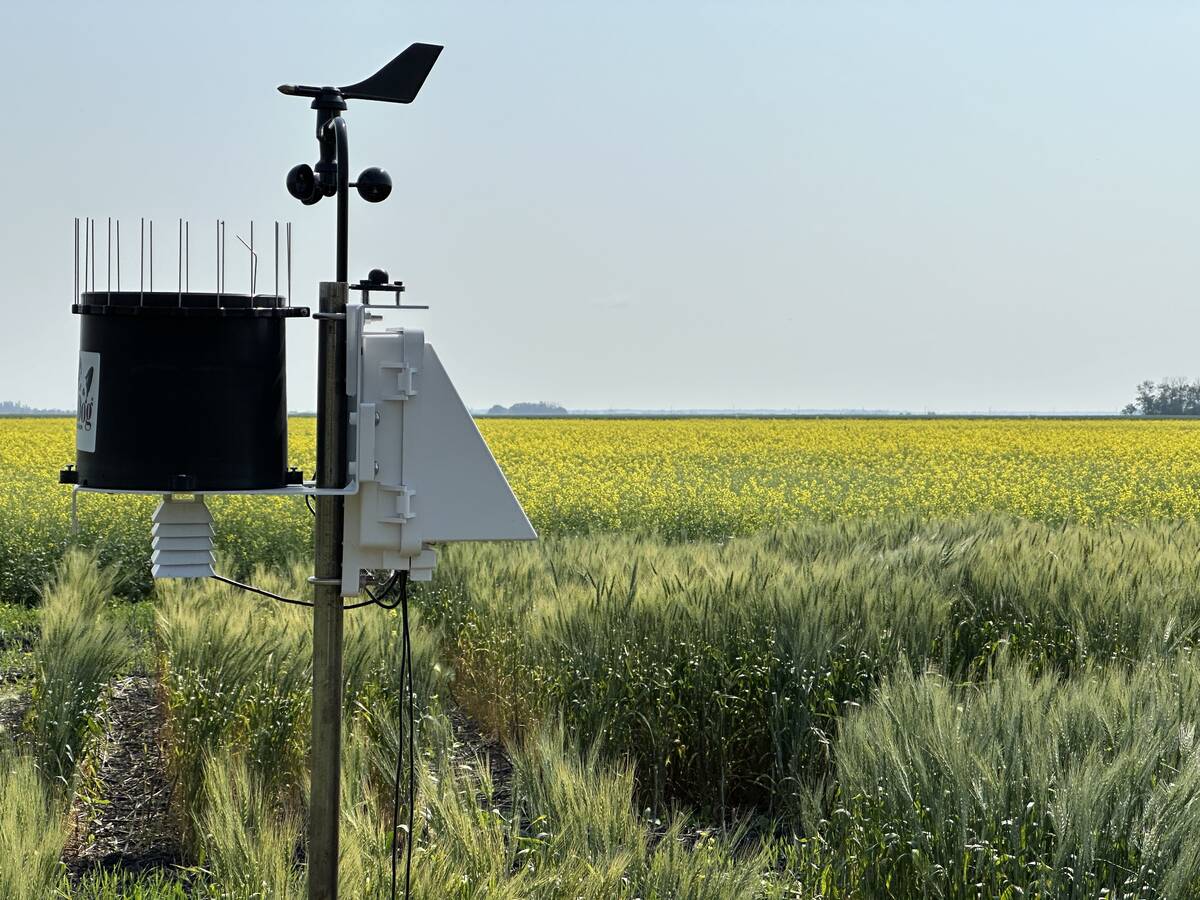
Federal forecasters to add AI to improve weather predictions: ECCC
Environment and Climate Change Canada announced on April 9 it will begin using artificial intelligence to improve its weather forecasting model beginning this spring.
Current La Niña weak
La Niña is part of the El Niño-Southern Oscillation (ENSO) climatic cycle, which affects water temperatures in the central and eastern Pacific Ocean. La Niña results in cooler water temperatures, increasing the chance of floods and drought, which can impact crops.
When ENSO is neutral, water temperatures stay around the average level, leading to more stable weather and potentially better crop yields.
More weather coverage: YEAR IN REVIEW: 2025 a year of weather extremes
“The current La Niña is weak with ENSO expected to return to neutral in February or March. There is a chance for El Niño conditions to develop in later Northern Hemisphere summer,” said Jason Nicholls, lead international forecaster at AccuWeather, adding that there are no widespread drought conditions in the global crop areas.
“The transition back to neutral will likely equate for wetter conditions in Argentina, which will favor winter wheat in their winter coming up,” said Donald Keeney, agricultural meteorologist at Vaisala Weather.
Could mean wetter conditions
It would also result in wetter conditions in the central and southern Plains in the U.S. later this summer, which would result in a better outlook for late growth of the hard red winter wheat crop, corn and soybeans, Keeney added.
Heavy rainfall forecast across most of Argentina’s agricultural belt will boost moisture levels over the coming days, benefiting soy and corn crops at key development stages, two major grain exchanges said on Wednesday.
“While there may be isolated individual market challenges, we believe that impacts are limited by expectations of a weak La Niña, which will not persist throughout the entirety of the crop season,” said Matthew Biggin, senior analyst at BMI, a Fitch Solutions company.
Indonesia’s agency climate official Ardhasena Sopaheluwakan said a La Niña weather pattern, which typically brings more rainfall, was expected to be weaker in 2026 and should conclude by the end of the first quarter.
Atmospheric indicators, such as trade winds, pressure and cloud patterns over the equatorial central Pacific, have shown consistent, though relatively weak, signs of La Niña since mid-to-late September, the Australian Bureau of Meteorology said on Tuesday.
The Bureau predicts that tropical Pacific Ocean temperatures are likely to remain at La Niña levels until around late summer before returning to neutral.
— Reporting by Pablo Sinha in Bengaluru