Khartoum | Reuters — Sudan will continue to subsidize bread prices during transitional rule after Omar al-Bashir’s ouster but wants to achieve “justice” in distributing income supports, its trade and industry minister said on Wednesday.
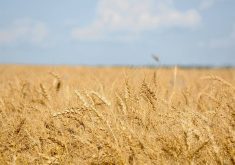
Bread shortages, caused by difficulties in raising hard currency to import wheat, triggered mass protests which — with the help of the military — toppled the veteran autocrat last April after three decades in power.
The new civilian government, ruling together with the armed forces for a three-year period, has been trying to address bread and fuel shortages since losing about 75 per cent of its oil wealth, a major hard-currency source, when South Sudan seceded in 2011.
Read Also
Feed Grains Weekly: Cash prices for wheat, barley largely flat
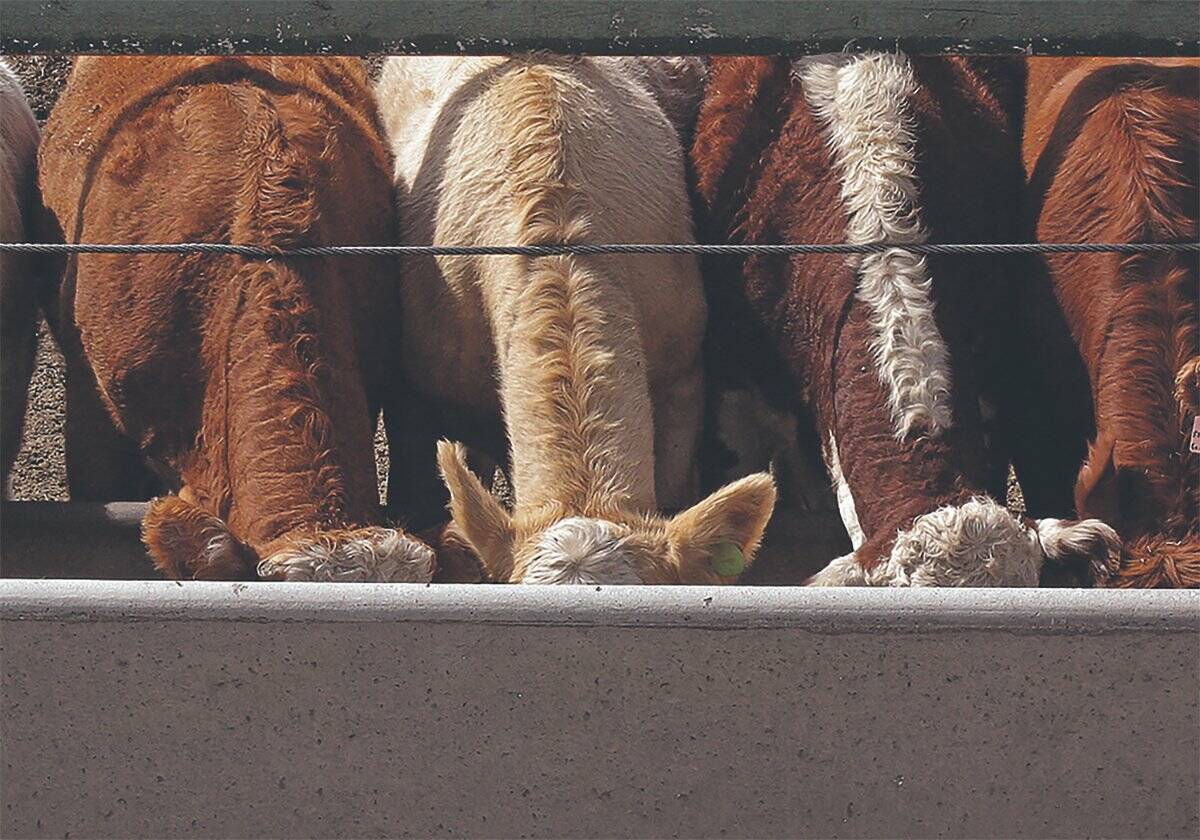
Cash prices for feed barley and wheat continued to remain largely flat, said Susanne Leclerc of Market Master Ltd. in Edmonton.
Trade Minister Madani Abbas Madani told reporters Sudan had sufficient wheat reserves until May and was in talks for deals to ensure enough stocks until year-end.
“The state is committed to subsidizing bread during the transition period, but aims to ensure justice in distributing the subsidies,” Madani said.
He added that the government would also launch within 45 days commercial bakeries which will sell non-subsidized bread drawing on commercial stocks.
It was not immediately clear whether this would ease the burden on a government budget that is also subsidizing fuel and other basic products in the widely impoverished country.
— Reporting for Reuters by Khaled Abdelaziz and Aidan Lewis; writing by Ulf Laessing.