
Glacier FarmMedia — Brazil’s massive soybean crop may be grabbing the headlines, but there should be more attention on the difficulties with the country’s corn crop, said analyst Michael Cordonnier of Soybean and Corn Advisor Inc.
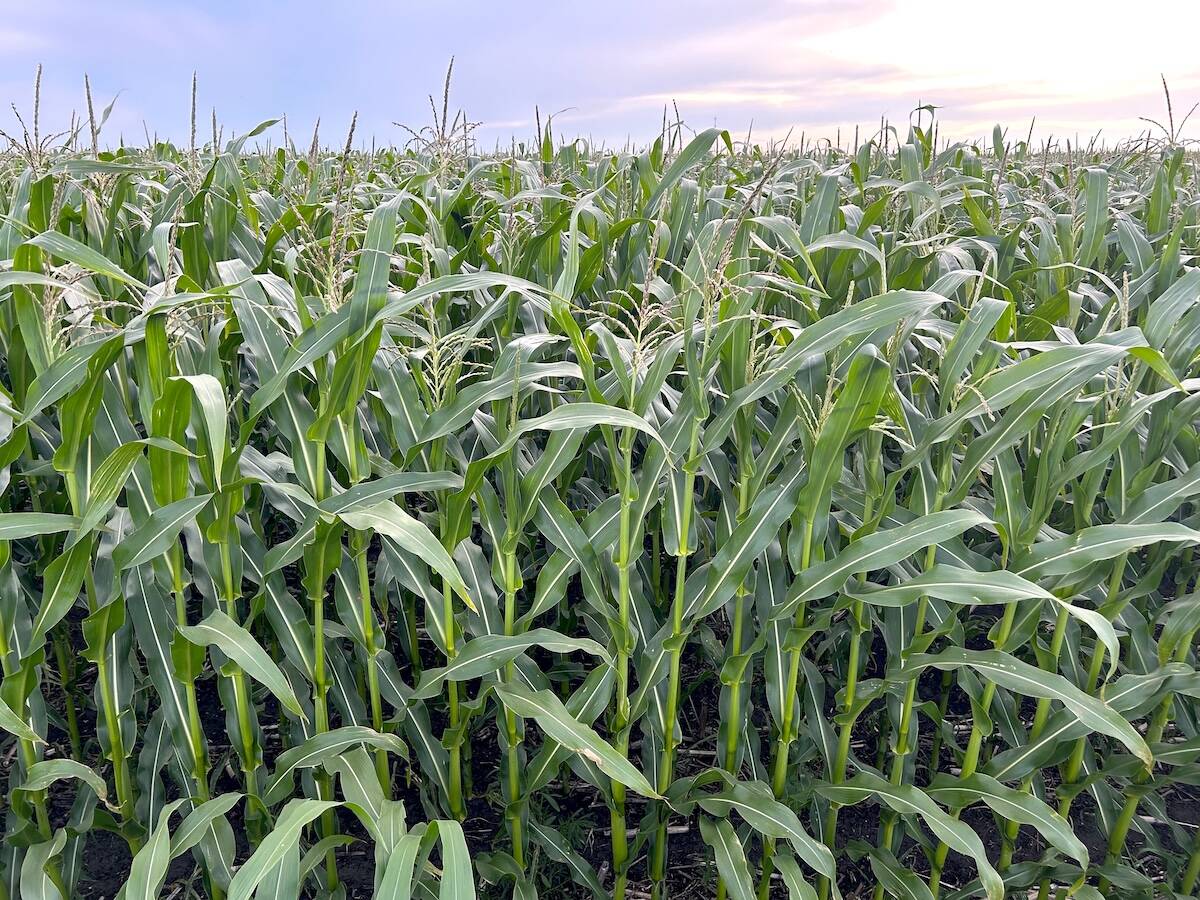
“Right now in South America, I have a corn crop being equal to last year. In my gut, I think it’s going to be below last year when the safrinha crop is finally harvested,” he said.
Issues with safrinha corn
Although that second Brazil corn crop is more than 91 per cent planted, Cordonnier pointed out there are more than 3.21 million acres still needing to be seeded and stressed the main planting window has closed with dry weather ahead.
Read Also
Pulse weekly: Canadian pea exports up in January, lentils lag
Canadian pea exports picked up in January, while lentil movement dipped compared to the previous month, according to the latest Statistics Canada trade data.
“Planting (corn) at this point is very risky. They’ll run out of moisture before the crop has a chance to mature,” he said. “They’re already worried about the dry weather in the state of Paraná.”
Cordonnier said Brazil’s first corn crop is more than halfway harvested, but about 20 points behind this time last year. He said that isn’t too much of a concern.
He recently cut his call on Brazilian corn production this year to 133 million tonnes, from an earlier estimate of 135 million. That compares with the United States Department of Agriculture’s forecast of 132 million tonnes and 138.3 million tonnes by Brazil’s Conab.
Argentina corn
As for corn crop in Argentina, Cordonnier said about nine per cent has been combined and the average yield is about 131 bushels per acre.
“They’re harvesting the best part right now,” he said, noting that yields will likely decline as combining progresses.
Dry conditions in parts of Argentina created a wide gap in yields, from as little as 40 bu./ac. to as much as 200. Cordonnier said more recent rainfall has stabilized Argentina’s corn.
Soybeans
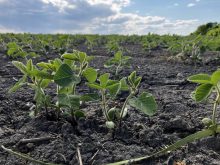
As for soybeans, Cordonnier said Brazil remains on pace to produce its biggest crop on record. However, it likely won’t be as large as initially expected.
The Brazil soybean harvest was about 61 per cent finished, nine points behind last year.
“It’s on the slow side. That’s because heavy rains continue to fall across northern Brazil,” Cordonnier said.
In southern Brazil, such as Rio Grande do Sul, soybeans were planted late due to drought and that state’s harvest is barely underway, Cordonnier said.
Aside from a very small amount of fields, the soybean harvest had yet to start in Argentina, he added, projecting yields of about 56 bu./ac. in the country’s core soybean-growing area.