
The National Farmers Union (NFU) plans to lobby the federal government for farmers to be guaranteed an annual basic income of $50,000.
This was one of the resolutions passed at the NFU’s annual general meeting in Moncton, N.B., Nov. 19-21.
“The idea of a guaranteed annual income pilot came from our Prince Edward Island membership. Part of the reason for that is in P.E.I., they’ve been kicking around this basic income guarantee idea for a few years provincially,” said Phil Mount, vice-president of policy with NFU.
Read Also
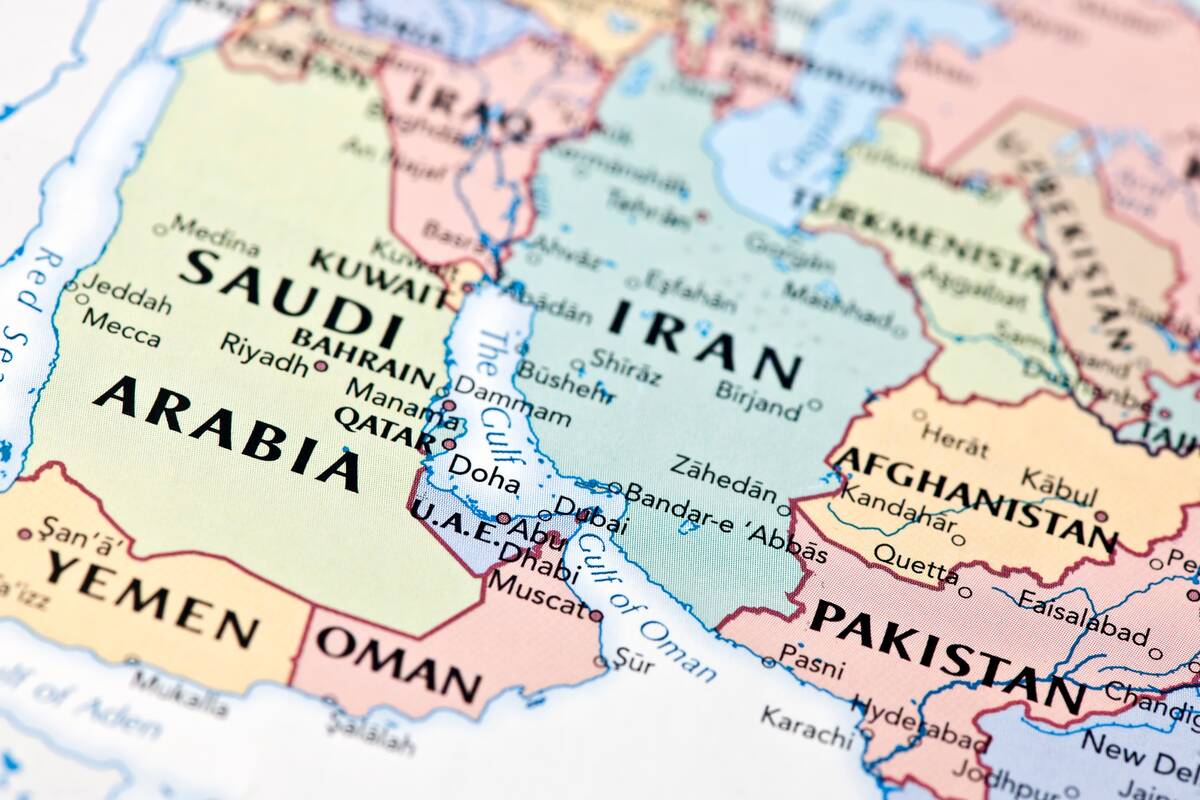
Bunge exploring alternative shipping routes amid Middle East conflict
Global grains trader Bunge is exploring alternative shipping routes and working with customers to minimize any disruptions caused due to the conflict in the Middle East, a company spokesperson told Reuters.
“It’s been front and centre for them, and they’ve come up with the idea of a guaranteed annual income for farmers, specifically as a pilot project we should take on,” said Mount, who has a sheep farm and is based in Ottawa.
A guaranteed income would stabilize farmers’ incomes, which are often unstable.
“We have a long history with the NFU of supporting guaranteed annual income,” he said.
Challenging economics
In 2016, the NFU outlined a resolution for a basic income guarantee, but that was a Canada-wide, basic income guarantee support.
“This one is specific to farmers, and it’s basically meant to acknowledge the difficulties that farmers face, particularly new and young farmers getting into farming. That’s a critical area that we need to address,” said Mount.
The average age of farmers, across any Canadian province, is 56 years old.
Mount said the first 10 years of farming are critically important for setting down roots and expanding a business enough to make it stable and resilient for the long-term. Farmers currently must deal with rising input costs, as well as the rising cost of land.
“The price of land, pretty much now in every province, has been disconnected from basically the returns you’re going to see from that farmland. It’s no longer agricultural land tied to the price of growing crops. On that land, it’s been a complete disconnect now,” he said.
Mount said rising farmland costs have accelerated over the past 10 years. Prices were astronomical in Ontario in 2015, but now prices have jumped in Alberta and Saskatchewan too.
It’s even more challenging for farmers renting farmland.
“If you’re renting, you’re not putting that money into an asset that you’re going to have long term,” he said.
Paying for land has the additional benefit for farmers, as the money they are investing will come back eventually.
“That’s what the generations that went before have been relying on. You don’t have to make an incredible profit every year. You can put money back into your business and keep it viable, because you know you’re got that retirement income in the asset of the land,” he said.
Pilot specifics to be determined
The next step for the NFU in their attempt to secure a guaranteed annual income of $50,000 is to nail down the practicalities of the program.
Mount said the group needs to be prepared to speak with government, civil servants and other leaders across the country. Both federal and provincial governments will need to be involved, he said.
“We could be looking at a provincial pilot somewhere. We could even be looking at a very local pilot project somewhere. We’ve had some local basic income guarantees in this country, so that might be an option as well. I guess what we are looking to do is iron out some of the options, talking with folks about this and talking with our allies in other sectors because it’s not an idea that is unique to farming,” he said.
Mount said he does not know when the NFU will approach the government, as they are still working with their own policy committees. People are already paying attention to the idea.
“There’s a huge amount of interest in this guaranteed annual income pilot from across the media spectrum,” he said.
Mount said the idea of a guaranteed basic income could have an opportunity for nation building projects in food and agriculture, particularly in regional infrastructure, that would allow farmers to feed their own communities and regions.
“We’ve lost of much of our regional infrastructure to just transport and store and sell food within our regions and provinces. There’s a nation building opportunity here, and I think tying this project to that is a piece that would resonate for folks,” he said.
Capping grocery profits
The media has also shown interest in another resolution passed at the NFU AGM.
The resolution proposes a concept of capping the profit of grocery chains.
“This links in because we did a report this year on what we call the ‘farmers’ share,’ which is looking at the research on what proportion of the share of prices that consumers pay at grocery retail gets back to farmers. That’s another piece of this viable farm income. We’ve seen this disconnect in the last 50 years between the incredible efficiencies farmers have created allowing them to produce more and more with less and less,” he said.
But at the same time, farmers are receiving less of the consumer dollar.
Members voted to lobby Ottawa for a cap on the profits of the major grocery chains, such as Sobeys and Loblaws, which have a monopoly on the market.