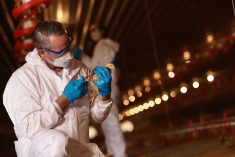


[UPDATED]—A second human case of bird flu has been confirmed in the United States since the virus was first detected in dairy cattle in late March, the U.S. Centers for Disease Control and Prevention said on Wednesday.
The infection of a dairy worker in Michigan expands the outbreak of the H5N1 virus, though the CDC said the risk to the general public remains low.
Read Also

U.S. finalizes biofuel blending quotas for 2026-27, cuts RINS for foreign feedstocks
The Trump administration on Friday finalized new biofuel blending volumes mandates for the U.S. oil refiners, requiring more of the fuels made from corn and other agricultural products than initially proposed,in an apparent win for U.S. farmers.
A Texas dairy worker was confirmed to be infected in April.
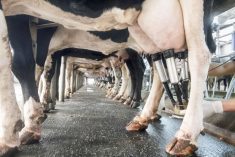
Michigan and Texas are among nine states that have reported bird flu in dairy herds. Scientists have said they believe the outbreak is more widespread based on U.S. Food and Drug Administration findings of H5N1 particles in about 20% of retail milk samples.
Similar to the Texas case, the patient in Michigan only reported eye symptoms, the CDC said. The Michigan worker had mild symptoms and recovered, according to the state’s Department of Health and Human Services.
The worker had regular exposure to livestock infected with bird flu, Michigan said.
The CDC said “similar additional human cases could be identified” given high levels of the virus in raw milk from infected cows, and the extent of the spread in dairy cows.
The U.S. Department of Agriculture (USDA) said it believes unpasteurized milk is the primary vector for transmitting the virus among cows, though officials do not know exactly how it spreads.
To limit transmission in cattle, the USDA in late April started requiring dairy cows to test negative before being shipped across state lines.
“It’s likely that there will be several cases that emanate from exposure to infected cows and their milk amongst farm workers,” said Dr. Amesh Adalja, an infectious disease expert at the John Hopkins Center for Health security.
“The key thing is to make sure that testing is wide enough to capture them.”
—Additional reporting for Reuters by Jasper Ward