
A combination of improving crop conditions, negative chart patterns, fund selling and a
$20 per barrel drop in crude oil have left buyers content to sit on the sidelines for the time
being, leading to a continued grain and oilseed market slide that began in early July. This
week’s crop conditions report from the U.S. Department of Agriculture shows the corn and soybean crops in as good or
better condition than last year and the five-year average.
Almost perfect weather in recent weeks has allowed the U.S. crop to rebound from the
Read Also
CBOT weekly outlook: Soybeans/corn awaiting acreage data
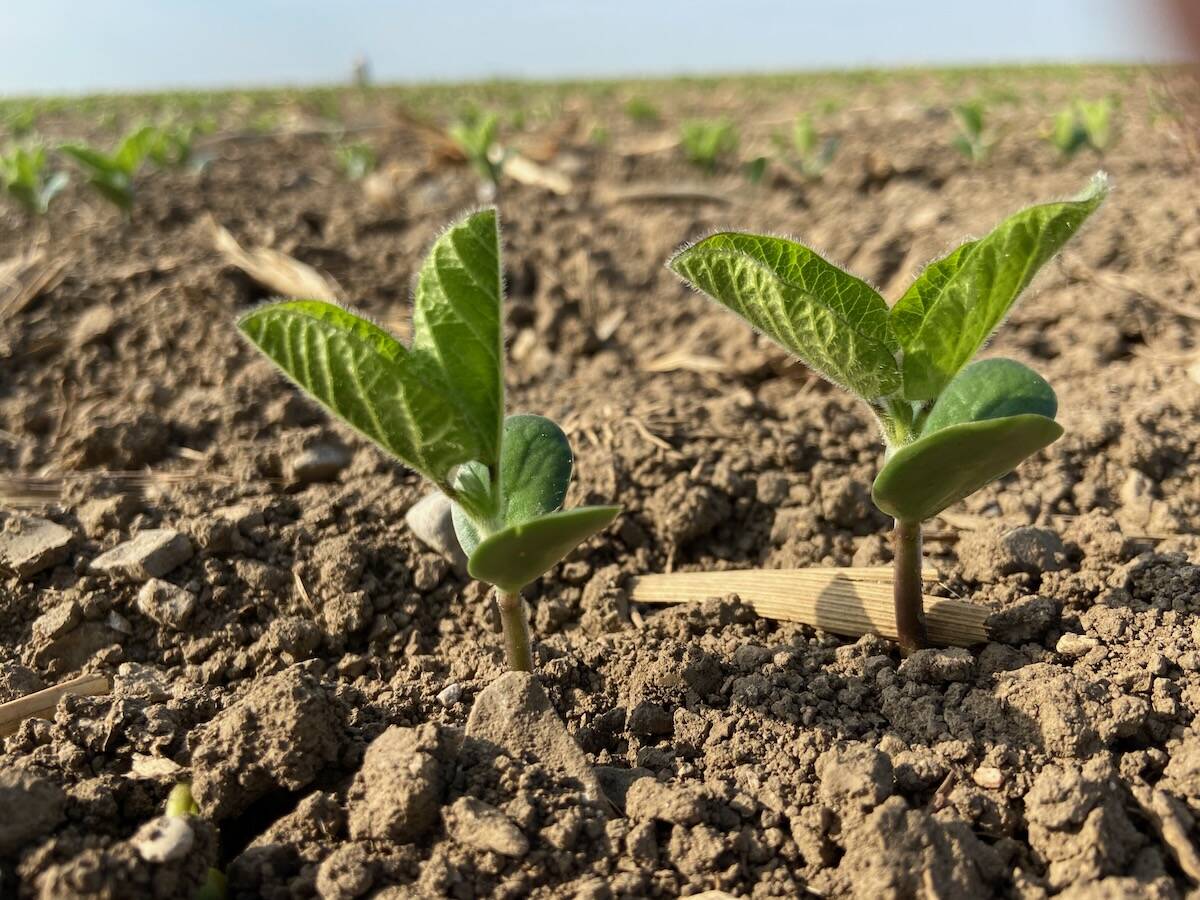
Soybean and corn futures at the Chicago Board of Trade posted some large price swings during the week ended March 25, as market participants reacted to the shifting news out of the Middle East and adjusted positions ahead of upcoming acreage data from the United States Department of Agriculture.
built into the market. With the market raising their estimates for corn and soybean yields,
there is less need for immediate sharp demand rationing, which has pulled values back to
the levels we saw prior to this latest spike. Spring wheat is the only crop where U.S.
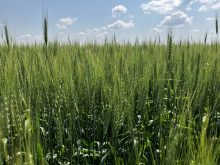
conditions lag, but a good winter wheat harvest and large crops in the EU and Black Sea
regions keep that market from advancing.
If there is a silver lining in seeing the market fall by $2 per bushel or more in corn, soybeans and
canola, and almost as much in wheat, it’s that lower prices keep the market from
rationing too much demand too early in the year.
At the recent peak there was
considerable talk of further reduction in livestock herds, ethanol mandates being relaxed
and additional U.S. Conservation Reserve Program (CRP) acres being opened up. Some of
these things may still happen, but pressure has eased somewhat to the point where these
decisions are now likely to be pushed back until later this summer.
– The FarmLink Market Insight was researched and produced by FarmLink Marketing Solutions, a marketing advisory service for Prairie farmers, and is published here with permission of the authors.