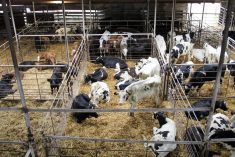
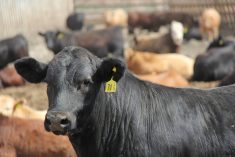
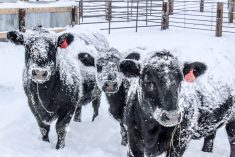
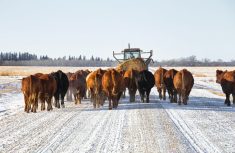
Alberta packers were buying fed cattle at $150 this past week, which was $5 above breakeven pen closeout values. This rally in the fed cattle market was a long time coming and renewed optimism surged across the Prairies. Feeder cattle prices traded $3-$5 above week-ago levels, with lighter calves leading the charge higher. Fierce competition was noted at featured calf sales and panic year-end buying stepped forward more aggressively. Some felt they had missed the boat at the lower levels earlier in October and there is plenty of pen space available. Many feeders need to carry larger numbers than last year because prices are down 30 per cent.
Read Also

USDA attachés forecast some changes in China’s oilseeds, cereals
As China heads into the 2026/27 marketing year, the United States Department of Agriculture attachés in Beijing projected a few minor to moderate changes in the country’s soybean, canola, corn and wheat crops.
Alberta markets appeared to lose steam, with major feedlot operators shopping in Saskatchewan and Manitoba. Eastern Prairie markets carried a premium over southern Alberta values, with spillover strength coming from south of the border, where feeder cattle prices were US$4-$6 above week-ago levels.
Medium-frame mixed steers weighing just over 800 lbs. traded for $158 in central Alberta; larger-frame Charolais-based tan steers with medium flesh of similar weight were quoted at $170 in southern Manitoba. Mixed steers averaging 600 lbs. were quoted at $190 landed in southern Alberta but these same quality cattle carried a $8 to $10 premium in southeastern Saskatchewan and Manitoba. The market was harder to define with eastern Prairie regions divorcing from the major markets in Alberta. Certain auction barns in Alberta stated prices were relatively flat, reflecting that major feedlot operators were sending orders to Saskatchewan and Manitoba where featured sales were more abundant. Heavier calves tend to be less fleshy at this time of year, but buyers still needed a discerning eye, which also caused a diverse price structure on similar-weight cattle.
Wholesale beef prices are percolating higher and packers are encouraged to keep the slaughter rates at higher levels given the positive margins. At the same time, feedlot operators are anxious to recoup some of the losses over the past year. It’s difficult to project if the fed market as further upside in the short term, but this will be key to sustaining the feeder market at the current levels.
— Jerry Klassen is manager of the Canadian office for Swiss-based grain trader GAP SA Grains and Produits. He is also president and founder of Resilient Capital, which specializes in proprietary commodity futures trading and commodity market analysis. Jerry owns farmland in Manitoba and Saskatchewan but grew up on a mixed farm/feedlot operation in southern Alberta, which keeps him close to the grassroots level of grain and cattle production. Jerry is a graduate of the University of Alberta. He can be reached at 204-504-8339.