Washington | Reuters — Japan has agreed to eliminate its long-held restrictions on U.S. beef imports, opening full access to U.S. cattle products after more than 15 years, the head of the U.S. Department of Agriculture said in a statement on Friday.
“The new terms, which take effect immediately, allow U.S. products from all cattle, regardless of age, to enter Japan for the first time since 2003,” U.S. Agriculture Secretary Sonny Perdue said in the statement.
The agreement reopens full beef trade after Japan banned U.S. beef over concerns about bovine spongiform encephalopathy (BSE) that roiled the beef industry in the U.S. and elsewhere.
Read Also
U.S. urges WTO members to rethink core tariff rule in face of China threat
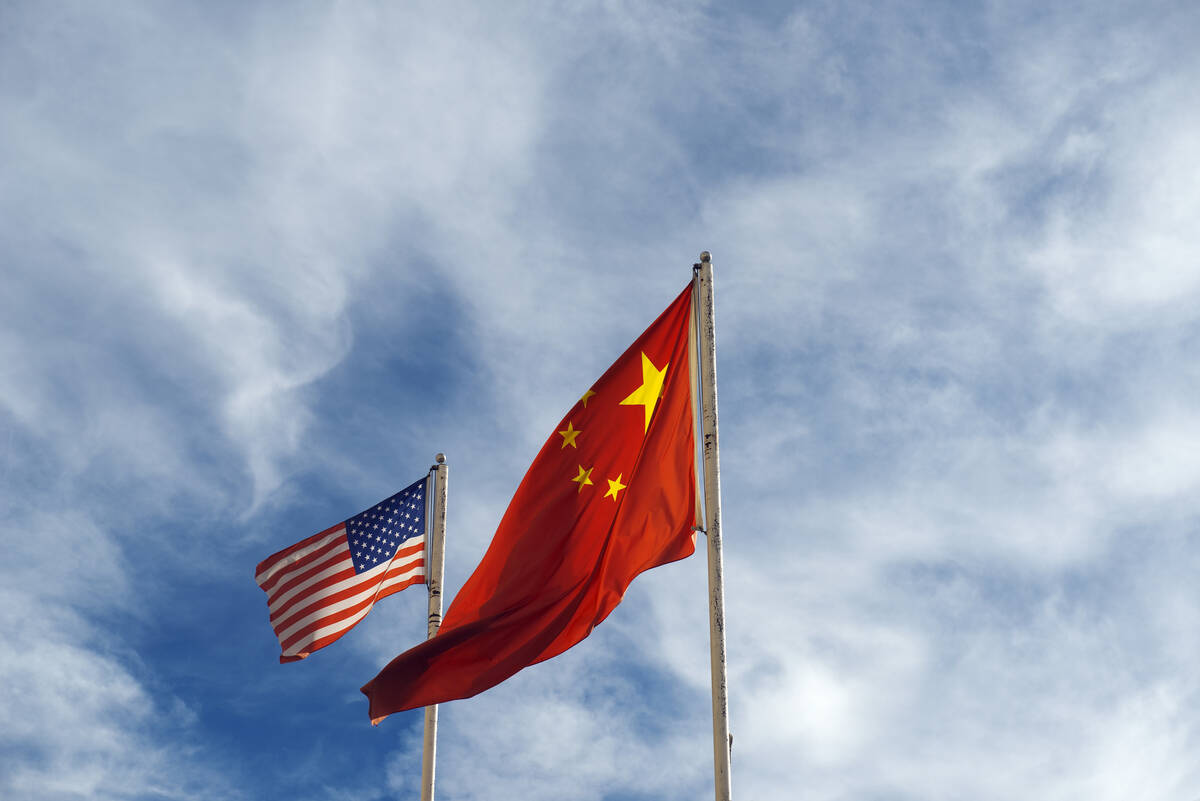
The Trump administration on Monday urged World Trade Organization members to rethink the body’s core principle of “Most Favored Nation” bound tariff rates, arguing in a new position paper that this has led to discriminatory practices and imbalanced trade, including with China.
The 2003 ban followed the discovery of the first case of BSE in the U.S., and in 2005 Japan resumed imports of beef from cattle under 20 months of age. That age limit was relaxed to 30 months in 2013.
The “expanded access could increase U.S. beef and beef product exports to Japan by up to $200 million annually,” according to USDA.
The agreement came alongside the Group of 20 agricultural meeting last week in Japan, USDA officials said.
U.S. and Japanese officials are seeking to hammer out a wider trade deal that the Trump administration has said could come later this month.
— Reporting for Reuters by Humeyra Pamuk; writing by Susan Heavey.