
London | Reuters — As the U.S.-Israel war with Iran enters its third week, analysts warn it’s severely disrupting fertilizer markets and endangering food security for developing countries in the near term.
Fertilizer production is energy-intensive, relying heavily on natural gas as a feedstock, with energy making up as much as 70 per cent of production costs.
WHY IT MATTERS: Canadian growers face rising input costs as global urea prices jump 40 per cent, with analysts warning nitrogen fertilizer prices could double if the conflict drags on. With global supplies already tight from Chinese export restrictions and lost Russian gas, Prairie and Ontario farmers heading into spring planting should expect tighter availability and margin pressure on nitrogen inputs.
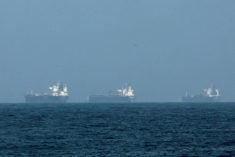
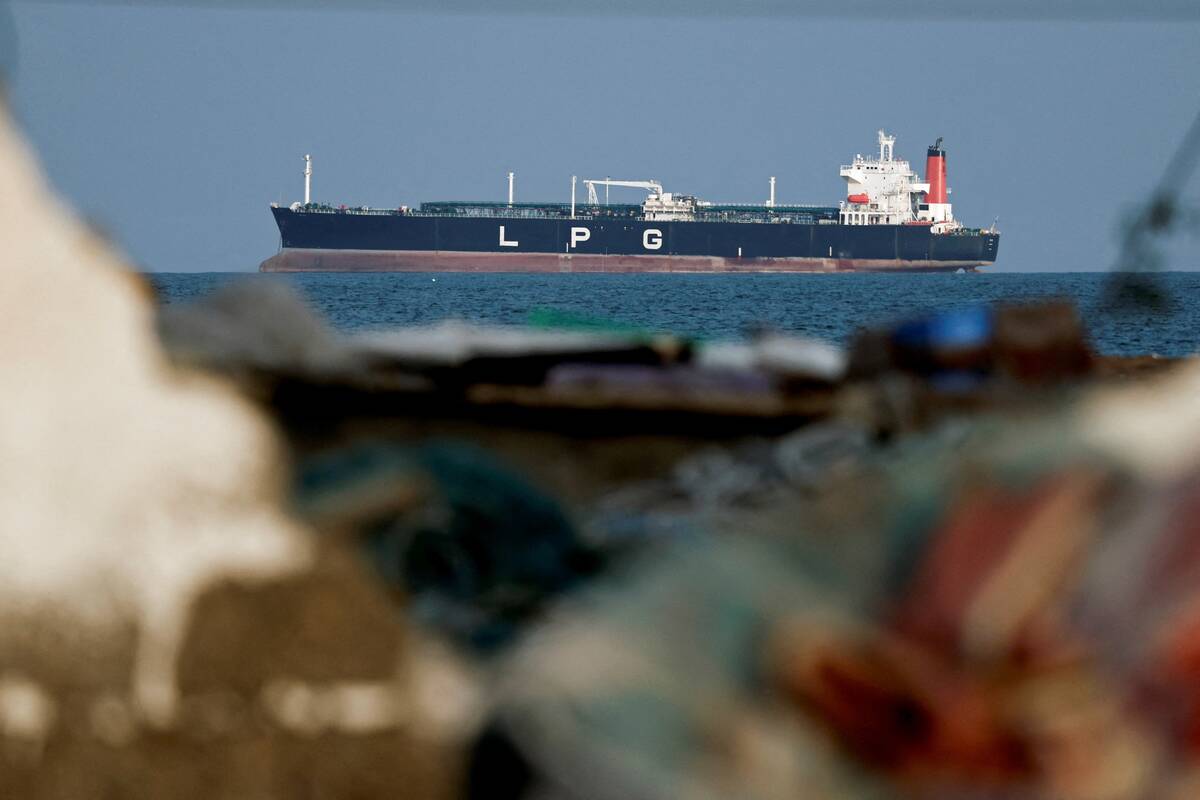
As a result, much of the world’s fertilizer is made in the Middle East, with one-third of global trade in it passing through the Strait of Hormuz, a narrow shipping route along Iran’s coast that has largely been shut since the conflict began.
Some 20 per cent of the world’s oil and liquefied natural gas also transits the Strait, and its near closure, combined with missile and drone strikes across the Gulf, have forced regional energy facilities to halt output.
Read Also
Chicago cattle futures surge as corn falls, Colorado packer strikes
Feeder cattle futures surge on lower corn prices and expected tight supplies in USDA’s Cattle on Feed report as JBS workers strike in Colorado.
That has, in turn, shut fertilizer plants in the Gulf and beyond, just as farmers across the Northern Hemisphere prepare for spring planting, leaving little margin for delays.
The global market for urea was already struggling with tight supplies prior to the current conflict, with Europe forced to cut output due to the loss of cheap Russian gas and China restricting fertilizer exports, including urea, in order to ensure domestic supplies.
Which fertilizer plants have halted or cut output?
Qatar Energy has halted output at the world’s largest urea plant after shutting down gas output following attacks on its LNG facilities.
In India, a massive global urea market, three urea plants have cut output as LNG supplies from Qatar have plummeted.
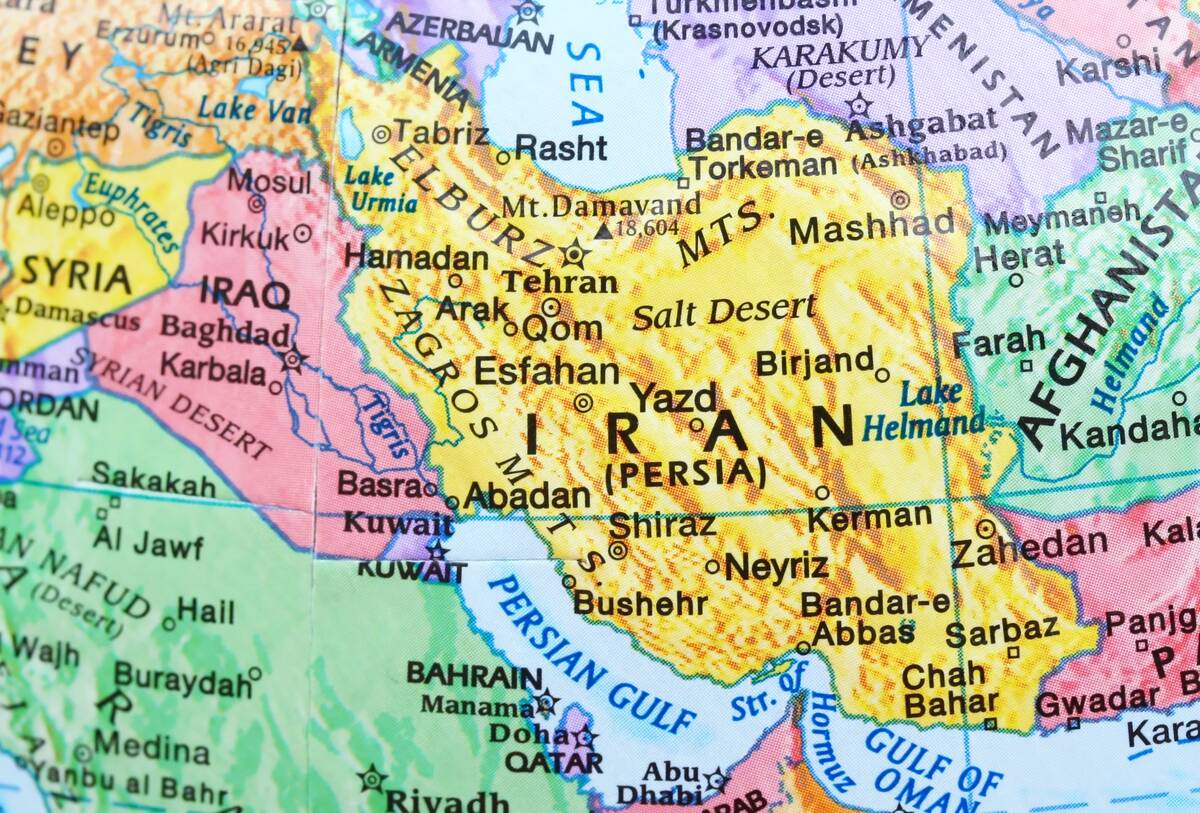
India, home to nearly a fifth of the world’s population, buys more than 40 per cent of its urea and phosphatic fertilizers from the Middle East, and recently agreed to buy 1.3 million tons of urea, some of which might not arrive on time.
Bangladesh has shut four of its five fertilizer factories, while Australia’s Wesfarmers has warned of possible shipment delays, including for urea.
Egypt, which supplies eight per cent of globally traded urea, could struggle to produce nitrogen fertilizer after Israel declared force majeure on gas exports to the country, Scotiabank and Rabobank analysts say.
Brazil is almost 100 per cent reliant on urea imports — nearly half of which transits the Strait of Hormuz.
In the U.S., farmers are reporting sold out retailers, with the country about 25 per cent short of fertilizer supplies for this time of year.
Globally, urea exports are set to fall to about 1.5 million metric tons in March, compared to 3.5 million without China’s supplies, or 4.5 to 5 million with China, according to Scotiabank.
How has the conflict affected prices?
Urea export prices in the Middle East have jumped about 40 per cent to just above $700 per metric ton (C$958) on March 13 from just under $500 (C$685) before the war, according to Argus.
In the U.S., fertilizer prices have surged as much as 32 per cent since the conflict began.
Analysts say prices for nitrogen-based fertilizers like urea could roughly double if the war drags on.
Given the Middle East’s dominant market share, no producer can quickly make up for the lost supply, according to Chris Lawson, analyst at CRU.
Russia, the world’s largest fertilizer exporter, is facing supply disruptions due to Ukraine drone strikes, while China, despite ample capacity, is restricting exports, he said.
— Additional reporting by Gus Trompiz, Sybille de La Hamaide and Dewi Kurniawati