
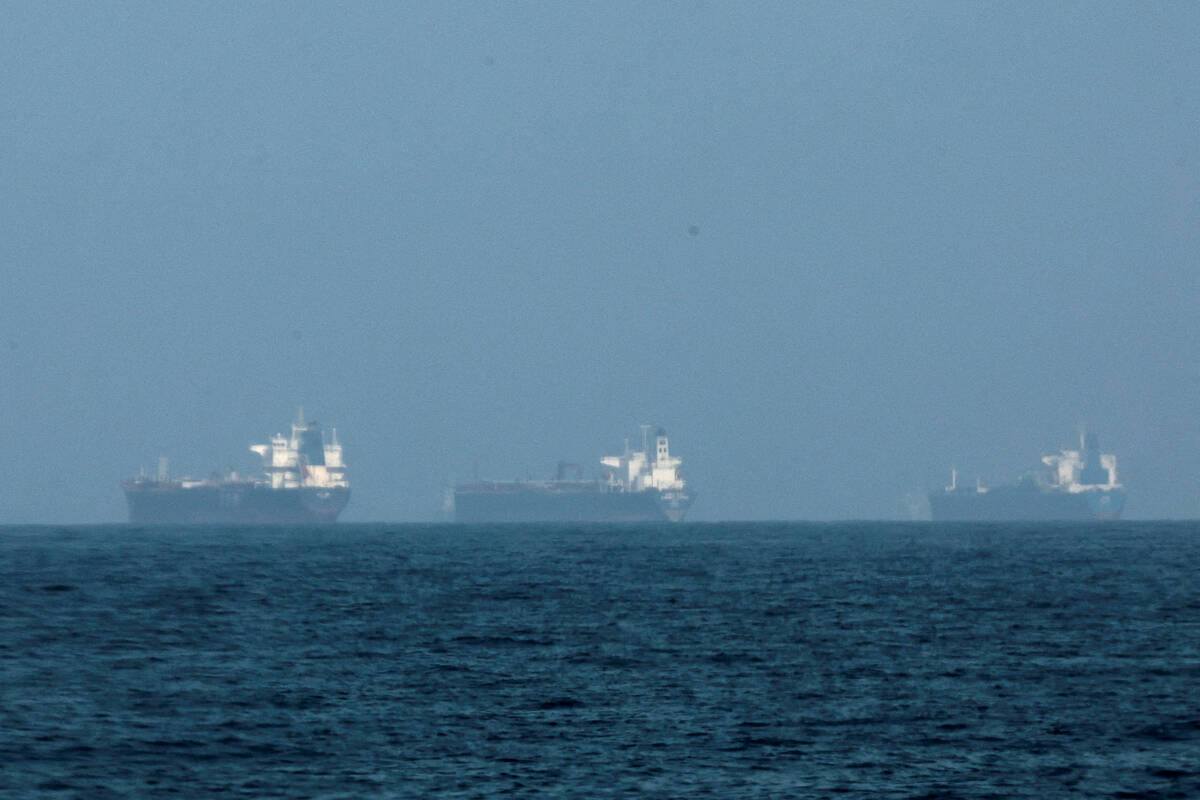
Disruptions to nitrogen fertilizer supply through the Strait of Hormuz could reduce global grain yields and shift planting decisions, potentially lifting grain prices, Goldman Sachs said in a report on Tuesday.
Fertilizer shortages may lead to lower grain output through delayed or suboptimal nitrogen application and encourage farmers to plant less fertilizer-intensive crops such as soybeans, the report noted.
In the U.S., where farmers import up to 50 per cent of urea fertilizer in some years, spring planting could face challenges as supplies remain around 25 per cent below typical levels, according to The Fertilizer Institute.
Read Also
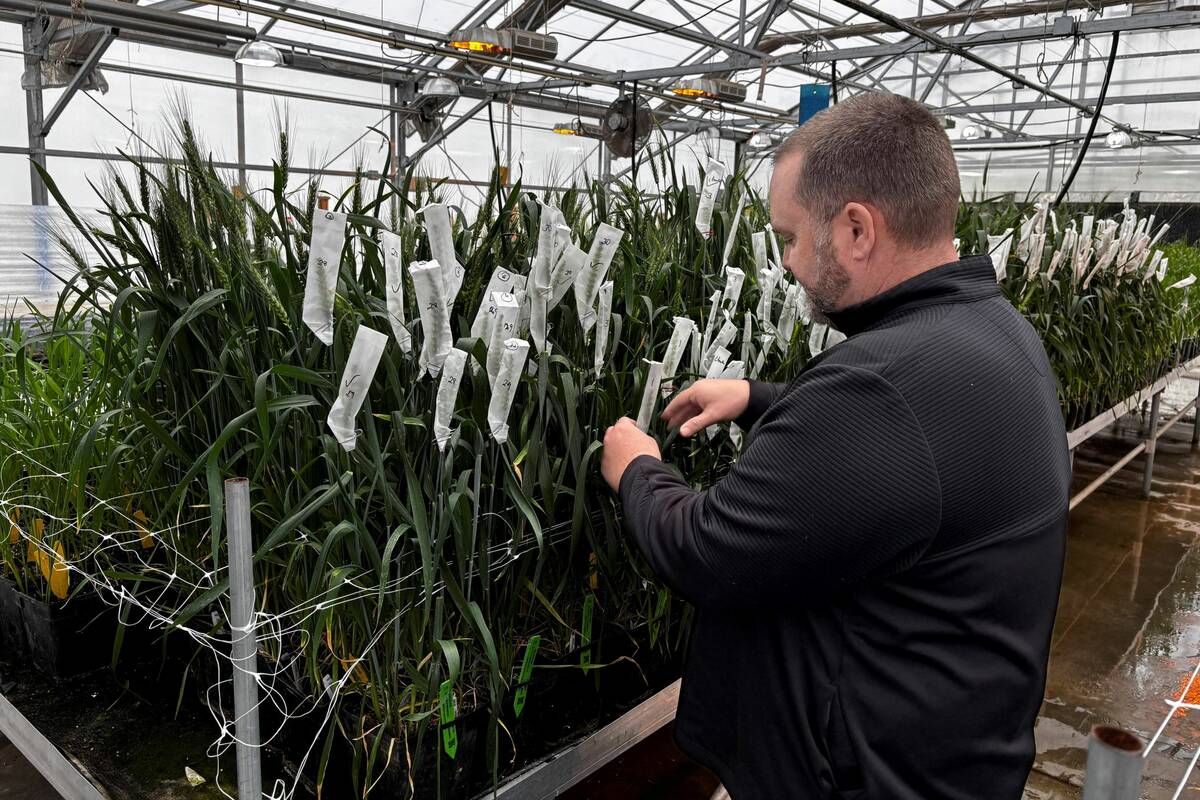
U.S. researchers bet on hybrid, GMO seeds to make wheat profitable again
Scientists are developing hybrid wheat seeds that promise higher, more consistent crop yields as drought becomes more common across the U.S. Plains.
WHY IT MATTERS: Nitrogen fertilizer prices have risen around 40 per cent since the onset of the conflict in the Middle East, intensifying financial pressure on farmers
Nitrogen fertilizer, which accounts for roughly 20 per cent of grain production costs, has seen prices rise 40 per cent since the onset of the conflict, Goldman said. A quarter of global nitrogen trade and about 20 per cent of LNG shipments — key for nitrogen production — transit the Strait of Hormuz, which has been effectively blocked since the war in Iran started.
Supply disruptions could tighten availability and increase production costs elsewhere, the bank warned.
“Spare fertilizer production capacity outside the Middle East appears limited,” Goldman added, citing production constraints in Russia, which typically accounts for around 15 per cent of global nitrogen fertilizer exports due to facility attacks and export limits, as well as China’s likely extension of fertilizer export restrictions beyond August.
While U.S. farmers remain relatively insulated for now due to advanced procurement ahead of planting season, disruptions in Europe, Australia and the Southern Hemisphere could bolster demand for U.S. grain exports and raise U.S. grain prices, the bank said.
However, delays to March fertilizer shipments might affect April availability, compounded by the lack of U.S. strategic reserves or quick domestic production scalability.