Glacier Farm Media | MarketsFarm — Movement in feed grain prices remained largely at a standstill across Western Canada due to the looming threat of tariffs by the Trump administration, said Susanne Leclerc of Market Master Ltd. in Edmonton.
United States President Donald Trump said he will impose 25 per cent tariffs on all goods the U.S. imports from Canada and Mexico effective Feb. 1. In response, the Canadian government said it has prepared a plan to retaliate and provide support for the country’s economy.
“Everyone is worried about what’s going on this weekend,” said Leclerc. “Buyers don’t want to get too far ahead of the game. So a lot of people are just buying ‘hand-to-mouth.” It’s very much an unknown situation going forward.”
Read Also
Canadian farmers intend to plant more canola, less wheat in 2026
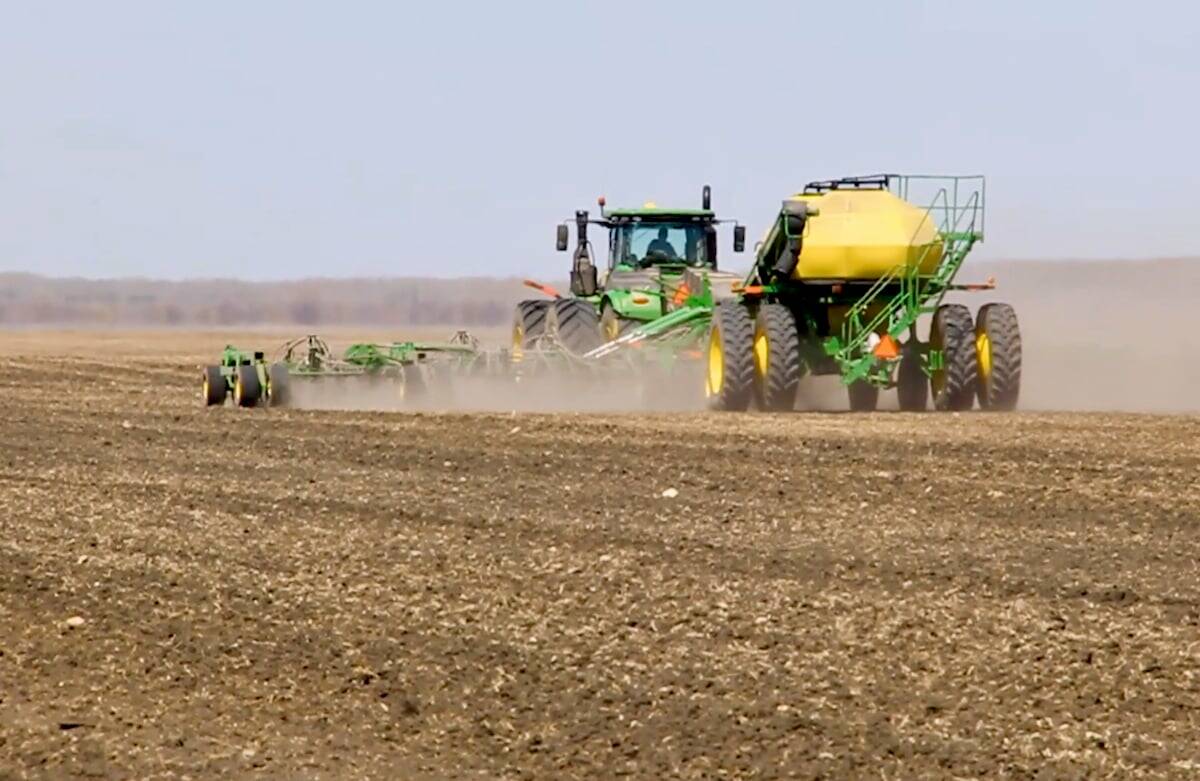
Canadian farmers expect to plant more canola and less wheat in 2026 compared to the previous year, according to the first planting intentions report from Statistics Canada released March 5. Barley, soybeans and corn area are also expected to increase, while oats, lentils and dry peas are forecast to decrease.
That tariff threat has altered the normal flow of business in the feed grain industry, Leclerc noted.
“Most of the time we’re buying into the spring right now to do spring coverage and spring premiums. Buyers just don’t want to get overextended,” she explained.
For the week ended Jan. 29, Prairie Ag Hotwire said feed barley prices were unchanged in Saskatchewan and Manitoba at C$4.75 to C$5.50 per bushel and C$5 to C$5.02/bu. respectively. Those in Alberta tacked on seven cents at C$4.75 to C$6.71/bu.
As for feed wheat, prices were again steady in Saskatchewan and Manitoba at C$7 to C$7.75/bu. and C$6.92/bu. respectively. In Alberta, they bumped up eight cents at C$6.50 to C$8.85/bu.
Another issue Leclerc raised was the lack of snow throughout much of Alberta. She said Edmonton was forecast to get a significant amount over the weekend of Feb. 1 and 2, but that the other areas of the province remained dry.