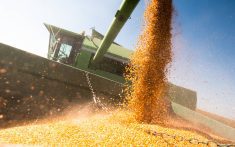
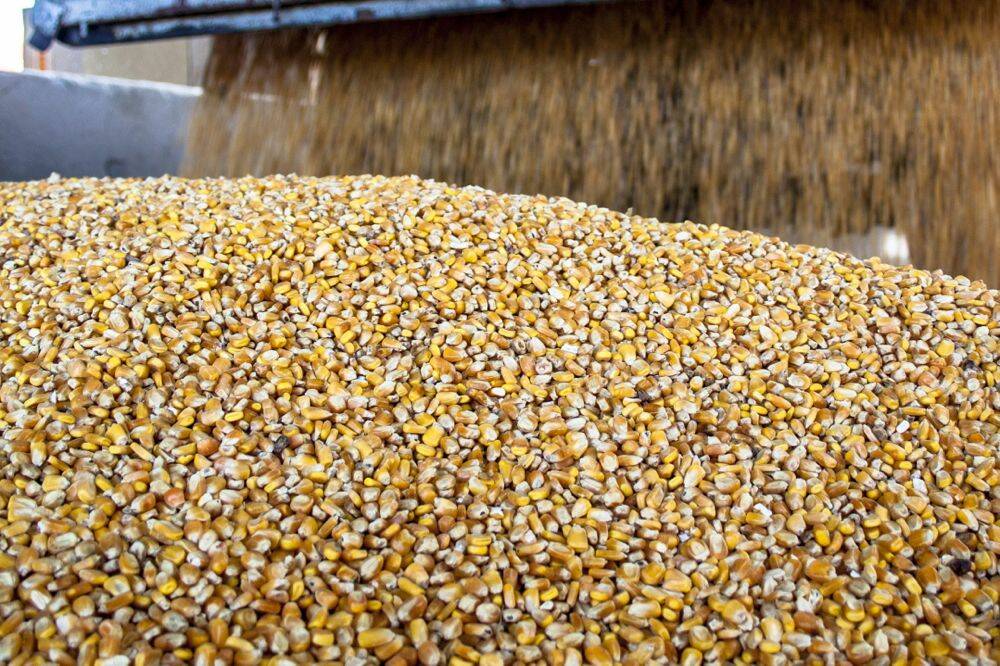
Glacier FarmMedia — Confirmation of a record-large corn crop in the United States should keep feed grain bids in Western Canada under pressure in the near term, as the domestic market works to remain competitive.
The U.S. Department of Agriculture reported 2025/26 U.S. corn production at a record of 432.34 million tonnes in its January supply/demand report, released Jan. 12 — up by seven million tonnes from the December estimate and about 54 million tonnes above what was grown the previous year.
Read Also
Feed grain weekly: Barley steady in late February
Feed grain bids in Western Canada were holding steady in late February, lacking any fresh market moving news.
Ending stocks numbers were also higher in the January data, sending corn futures in Chicago sharply lower. The March corn contract lost roughly 25 cents per bushel in response to the production and carryout numbers.
“That makes corn more competitive into Lethbridge,” said Jim Beusekom of Market Place Commodities in the southern Alberta city. He said U.S. corn was currently priced at around C$275 delivered Lethbridge, which compares with barley at C$265 and feed wheat at C$270.
As a result, feed grains in Western Canada “can’t get carried away with any rallies.”
Seasonal trends typically see feed prices grind lower through February. “As soon as you move into the springtime, you move into a new weather market in the Northern Hemisphere,” said Beusekom.
In the absence of fresh news, domestic feed grain prices should remain under pressure for the time being, especially as Canada also grew large barley and wheat crops in 2025.
Beusekom expected the markets will work to keep Canadian grains competitive, adding “why would we import U.S. corn to feed our cattle if we’re sitting on a surplus of grain here.”
One supportive influence on domestic feed prices is the solid export demand. Canada has exported 1.45 million tonnes of barley through 23 weeks of the current marketing year, which compares with 1.04 million tonnes at the same point a year ago, according to Canadian Grain Commission data.