


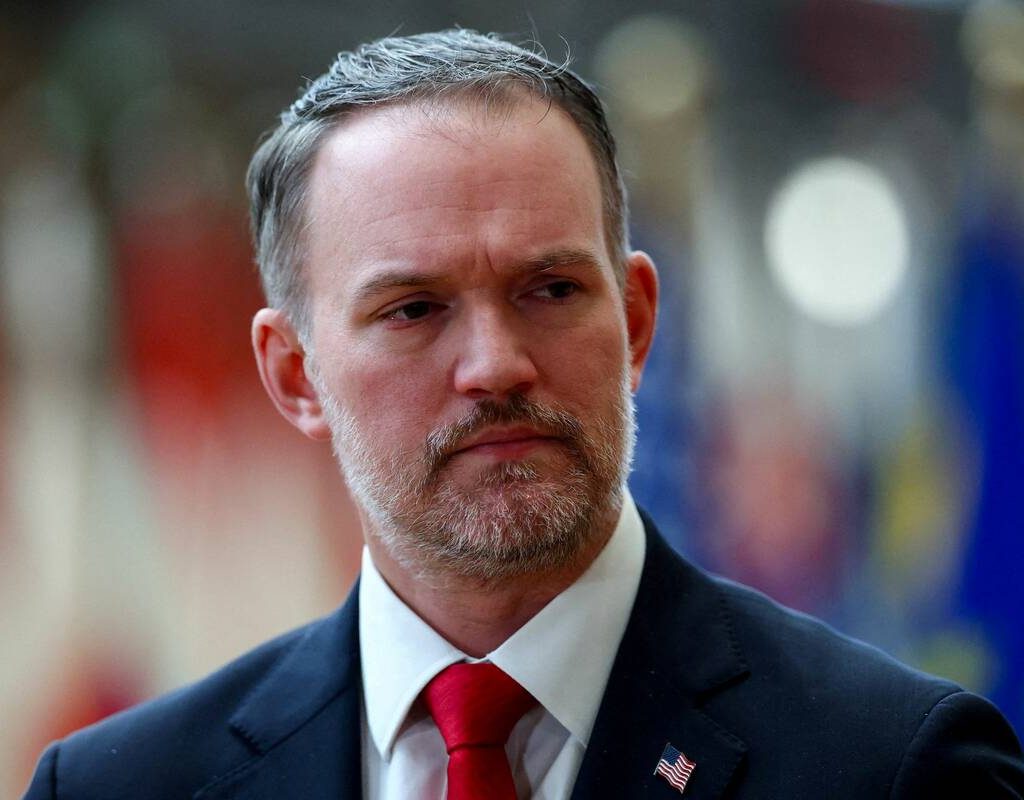
Conservative Shadow Minister of Agriculture and Agri-Food John Barlow says last week’s trade deal with China falls short on longevity and could mean more trade tensions with the U.S.
“It would have been more appealing had the tariffs been completely removed,” Barlow said. “Still 15 per cent on canola seed, still a tariff on canola oil, … still 25 per cent on pork and no movement on access for Canadian cattle ranchers.”
Barlow said the deal will provide some relief, but he would have liked to see the full removal of all tariffs.
Read Also
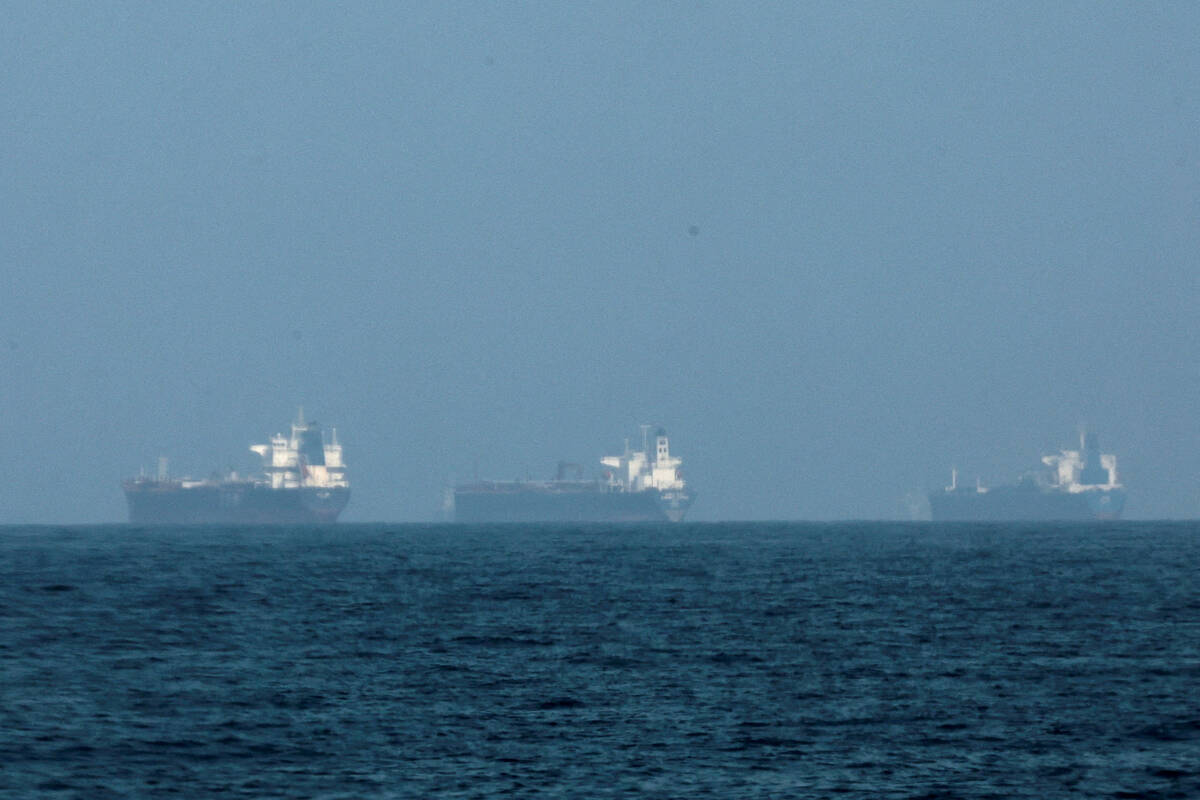
Farmers see fertilizer price surge as Iran war blocks exports, threatening losses
The world’s farmers face soaring fertilizer and fuel prices as the war in the Middle East escalates, leaving some scrambling for supplies as the spring planting season approaches.
As per the preliminary agreement-in-principle, Canada expects China to lower tariffs on canola seed to combined rate of about 15 per cent by March 1 the federal government said in an explainer. Anti-discrimination tariffs against Canadian canola meal, peas and seafood are to be dropped after March 1.
Canada also expects China to “accelerate the resumption” of exports to China including Canadian beef and animal genetics.
China banned Canadian beef imports following a confirmed case of atypical BSE in an Alberta cow in 2021. That ban has remained in place.
Longevity concerns
One main concern for Barlow and the Conservatives is the longevity of the deal. As of now, the tariffs are set to be removed or lowered March 1. Reductions on canola meal, peas and seafood may only last to the end of the year.
Conservative leader Pierre Poilievre in a Jan. 16 news release, criticized the Prime Minister’s trip to China, saying it provides “no guarantee that tariffs on canola and other Canadian goods will be permanently, immediately or completely eliminated.”
Barlow acknowledged that canola markets rallied post deal but said we “would have seen a much more robust impact on the markets in terms of canola prices had there been a removal of all the tariffs, and more of a long-term commitment.”
He said this could make it difficult for farmers to plan spring planting.
Trade ramifications with U.S.
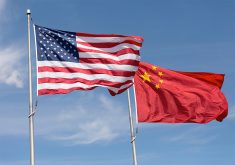
Barlow said his biggest concern from the deal is potential harm this year’s Canada-U.S.-Mexico Agreement (CUSMA) negotiations this year.
“Some American politicians have been quite pointed in their disappointment with Canada cozying up to China,” he said.
“The President has been a little less aggressive. However, I think there’s no question that this will have an impact on the … CUSMA review.”
“We have to remember that the United States is, you know, close to 80 per cent of our agriculture market, whereas China is closer to 15 per cent,” Barlow added. “I think that has to be taken into consideration too, the longer-term ramifications of the impact this will have on our trade relations with the United States.”
He also questioned why tariff and trade negotiations with the U.S. are “not going anywhere.”
“Getting some tariff relief is good news for canola producers, certainly. But you have to remember where your most important ally and trading partner is, and don’t lose focus on where your priorities should lie.”
Many producer groups across Canada have expressed cautious optimism over last week’s announcement, including the Canadian Federation of Agriculture, Manitoba’s Keystone Agricultural Producers, Grain Growers of Canada. Saskatchewan Premier Scott Moe, who was present in Beijing, was also bullish on the deal.
“The commodity groups can speak for themselves on what their reaction would be,” Barlow said.
“I know my reaction, and my response of the Conservatives and the opposition is, this is only temporary. This is not full tariff relief, and this is going to impact our CUSMA renegotiations.”