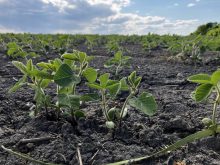

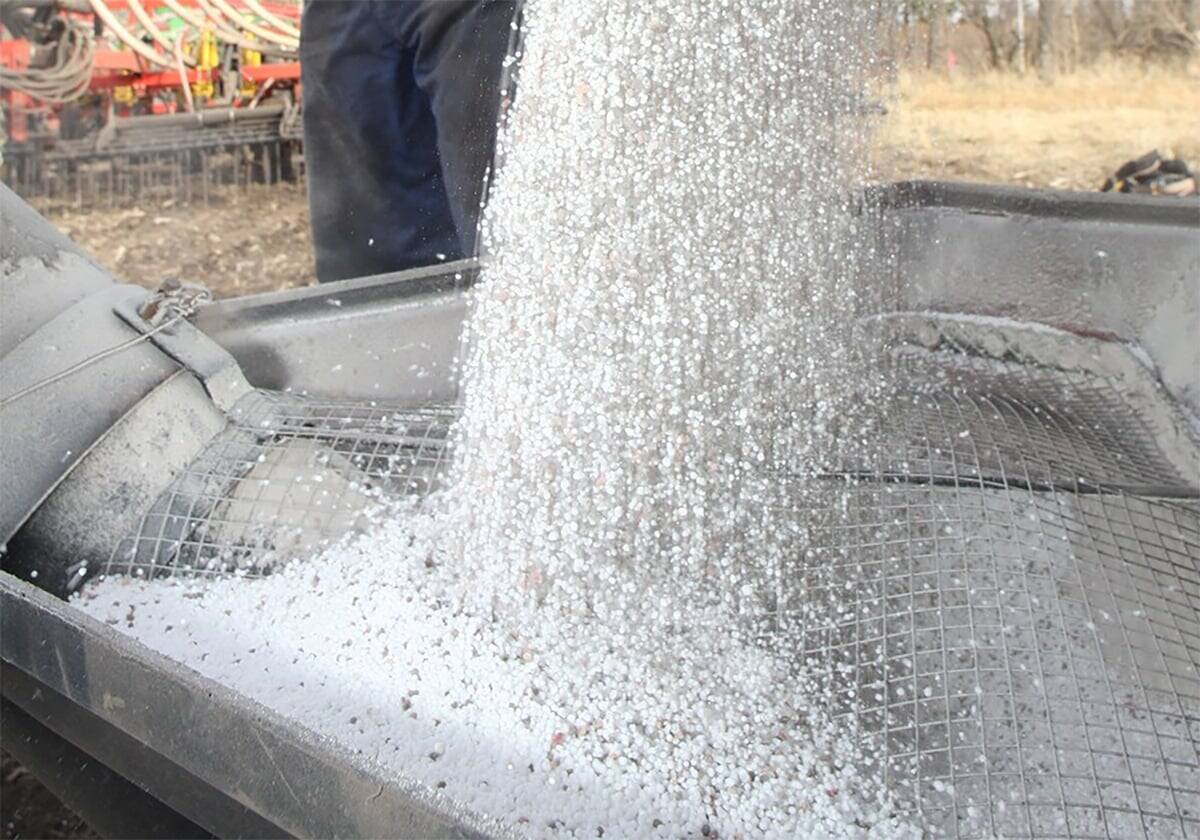
Beijing | Reuters — China will release fertilizers from national commercial reserves ahead of spring planting, it said on Friday, as the effective closure of the Strait of Hormuz due to the conflict in the Middle East disrupts global supplies.
The decision aims to ensure adequate supply during peak agricultural demand, the China Agricultural Means of Production Association said in a statement, instructing storage firms to sell reserves to support orderly trading and stabilize prices.
Read Also
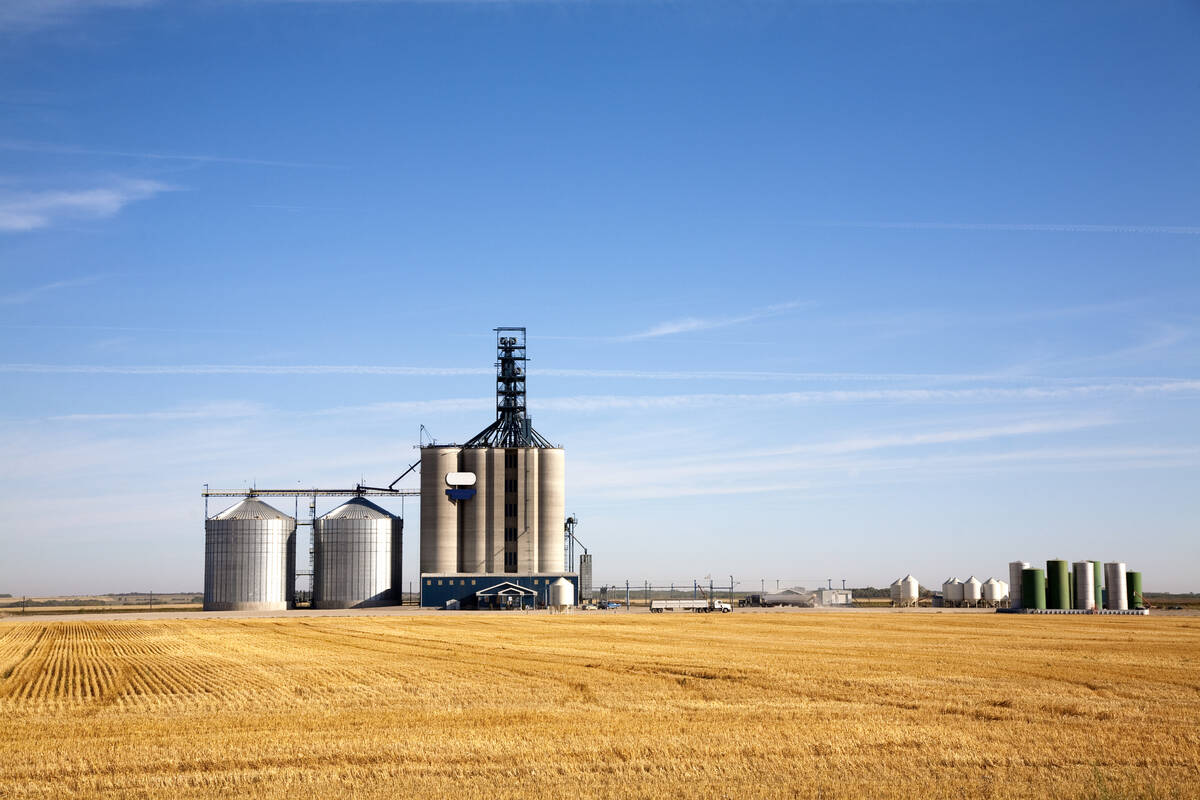
U.S. farmers rush to sell crops as Iran war fuels rally
U.S. grain prices have surged since the Iran war began, triggering a flurry of corn and soybean sales by farmers who squirreled away last year’s harvests due to weak prices.
“This year’s release is at least 15 days earlier than previous cycles. Some farmers in Henan and Shandong have been complaining about phosphate fertilizer shortages in recent days,” said a Beijing-based fertilizer analyst, who asked not to be named due to the sensitivity of the matter.
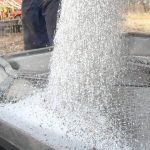
The release includes nitrogen, phosphate and compound fertilizers. China’s fertilizers are normally released once a year before spring plowing season.
Early emergency releases are usually launched in the event of market shortages or price fluctuations, the analyst said.
China restricting exports
The early drawdown of reserves follows a series of warnings from state-linked industry bodies urging producers not to hoard supplies or raise prices as farmers across the country prepare for spring planting.
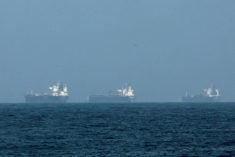
The closure of the Strait of Hormuz has shut down regional fertilizer plants and severely disrupted shipping routes, threatening supplies to key global importers like India as farmers in the Northern Hemisphere gear up for planting.
The global fertilizer market was already tight, with China restricting exports this year to secure domestic supply, analysts said.
China, the world’s largest producer of urea – a nitrogen-based fertilizer – tightly controls exports via quotas and has issued no permits for shipments this year.
A prolonged conflict in the Middle East could reduce global output, although China remains on track to produce a record 76.5 million tons of urea this year, the China Nitrogen Fertilizer Industry Association said.
— Reporting by Daphne Zhang, Ethan Wang and Lewis Jackson