

Canada’s trade deal with China is a positive signal for national agriculture and trade policy says Canadian Federation of Agriculture president Keith Currie.
“It’s good for Canadian agriculture,” Currie said. “(Carney) actually promised through the budget that Canadian agriculture was a strategic asset, and this is one step forward to delivering on that.”
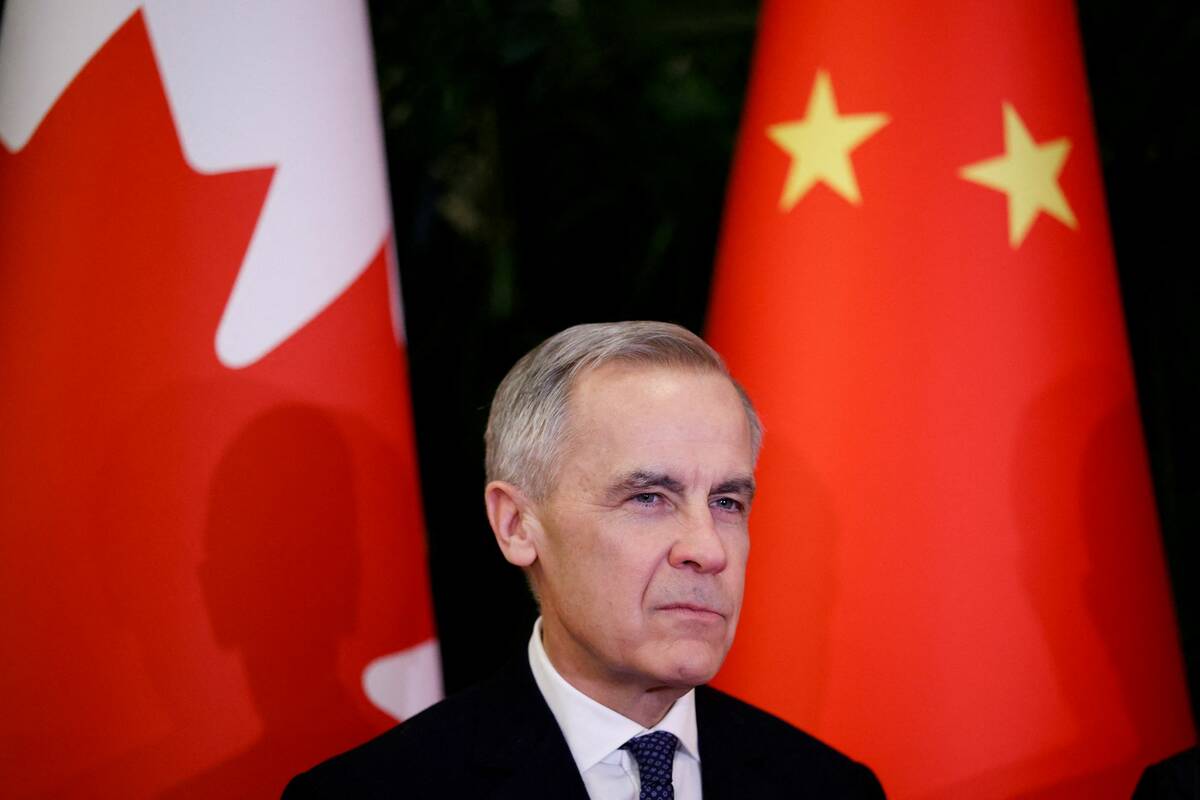
Prime Minister Mark Carney announced a deal on Friday that includes China reducing tariffs on some Canadian imports, including canola seed, and Canada allowing in up to 49,000 Chinese electric vehicles at a reduce tariff rate.
Read Also
U.S. to seek more foreign tariff cuts, CUSMA improvements in 2026
The U.S. Trade Representative’s office said on Monday it will seek further reductions in foreign tariffs and non-tariff barriers this year, enforce its “reciprocal” trade deals and consider launching new unfair trade practices investigations.
“I can’t confirm it, but it looks like it might be a short-term (deal) that’s going to lead to a long-term one once they get it all fleshed out,” Currie said.
Maintaining China-Canada relationship
The deal could signal a step forward in Canada’s Indo-Pacific Strategy, which comprises 40 countries and six of Canada’s top 13 trading partners. The Canadian government has also pledged to double non-U.S. exports by 2030.
Currie said Carney’s trade trips could be signs of his commitment to securing trade deals for Canada.
“The fact that this is the fourth trip in a very short period of time for Prime Minister Carney and company, I think that signals that they’re obviously very interested in maintaining that relationship with China and getting a deal done.”
U.S. objections
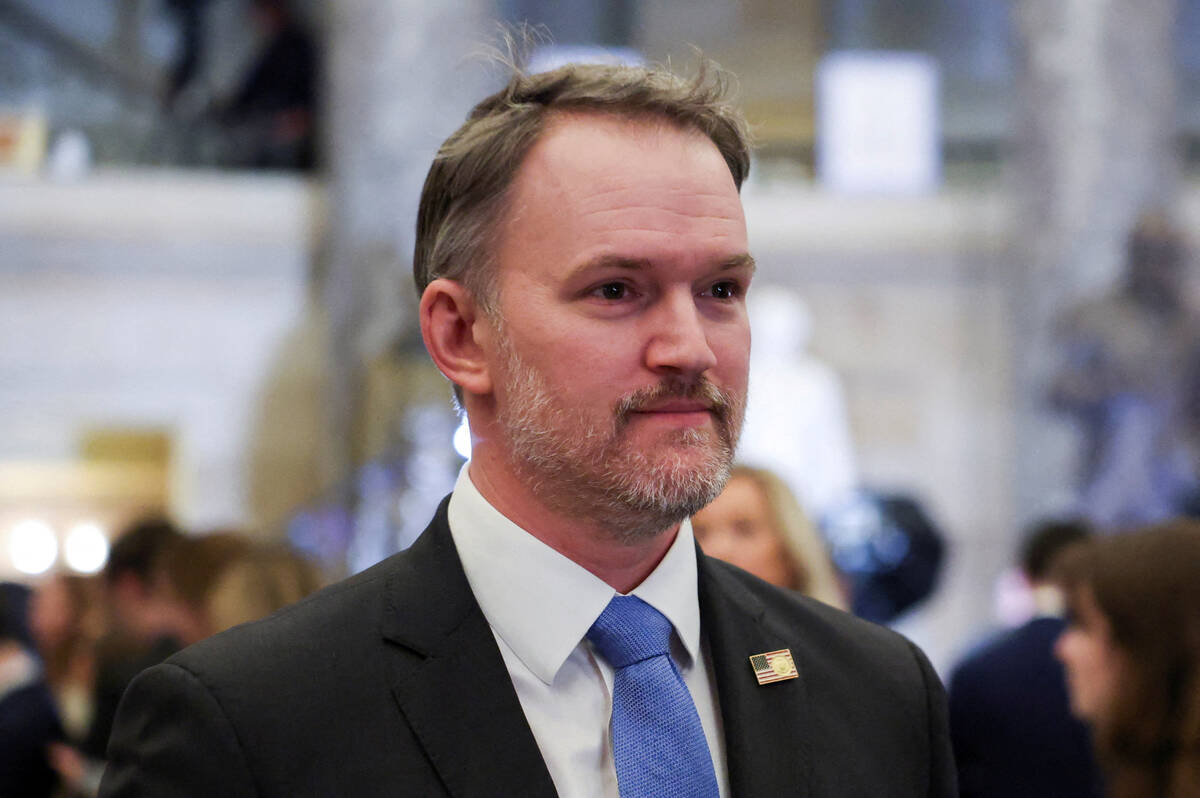
Canada’s deal with China has already begun to face criticism. U.S. Trade Representative Jamieson Greer told U.S. news outlet CNBC that the Canadian government’s decision on Chinese electric vehicles at a low tariff rate is “problematic” and Canada may come to regret the decision.
Currie said disagreement from the U.S. is to be expected.
“I don’t expect (U.S. President Donald Trump’s) going to be happy that we signed a deal, but let’s, let’s wait and see,” he said.
“And you know what, good on Carney for getting this done,” Currie said. “He realizes that he’s probably not going to be happy, but at the end of the day, the U.S. kind of still needs Canada more than they want to let on.”
Conservative Party Leader Pierre Poilievre criticized the trade deal in a post on X, saying, “There is no guarantee that tariffs on canola and other Canadian goods will be permanently, immediately or completely eliminated.”
He added Canadian pork farmers will keep paying the existing 25 per cent tariff.